
While Taylor Sheridan’s Yellowstone remains the most prominent Western TV show in recent years, the influence of Justified continues to surpass even Sheridan’s neo-Western works. With an increasing number of Western and neo-Western series like Dark Winds season 4 and The Madison appearing on streaming platforms, the genre is experiencing a resurgence fueled by these groundbreaking shows.
Although older Westerns like Lawman: Bass Reeves and Netflix’s 2025 debuts The Abandons and American Primeval struggled to capture sustained audiences, Sheridan’s Yellowstone and its connected spin-offs, 1883 and 1923, benefited greatly from their ties to the popular franchise. This affiliation helped them avoid the pitfalls that traditional Westerns still face with modern viewers.
Justified: The Essential Neo-Western Series
By the time Yellowstone concluded its fifth season, it had become the crown jewel of Taylor Sheridan’s television career, generating prequels such as 1883 and 1923, and paving the way for upcoming series like Y: Marshals. Yellowstone’s success established Sheridan as a leading figure in TV and streaming, inspiring projects like Tulsa King, Mayor of Kingstown, Lioness, Landman, Lawman: Bass Reeves, and The Madison. Yet, despite Yellowstone’s prominence, it was not the original catalyst for the neo-Western revival.
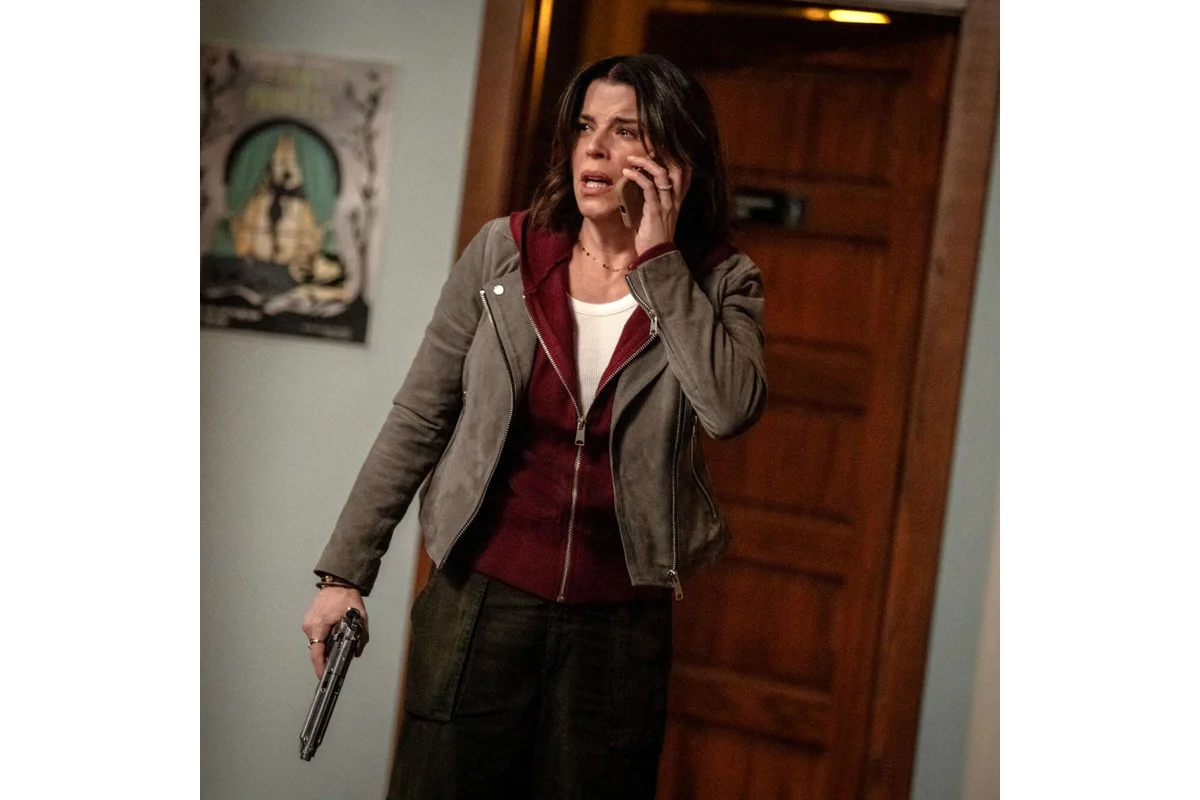
The true pioneer of the neo-Western wave was Graham Yost’s 2010 FX series Justified. Based on Elmore Leonard’s character Raylan Givens, Justified ran for six seasons, followed by the 2023 spinoff Justified: City Primeval. Across 78 episodes, the show tracked Timothy Olyphant’s incarnation of Givens, a deputy U.S. Marshal who operated by his own strict code of honor amid a morally complex world.
The Impact of Timothy Olyphant’s Performance on Justified
Raylan Givens, portrayed by Olyphant, was far from flawless; he often bent the rules to achieve justice. However, his inner sense of right and wrong anchored the series. Similar to Leonard’s classic antiheroes, Givens was tough, dangerous, and compelling, embodying the ambiguity that defines the neo-Western genre. The show’s villains were frequently more ruthless than Givens himself, creating intense conflict.
Supported by a strong ensemble cast featuring Walton Goggins, Kaitlyn Dever, and Margo Martindale, Justified delivered an unpredictable and original experience. Olyphant’s performance is frequently regarded as one of his best, maintaining the show’s tension and emotional depth throughout its run.
How Neo-Westerns Became Television’s Dominant Western Style
Justified distinguished itself by merging classic Western motifs with a neo-noir atmosphere set in modern times. The show demonstrated that Western stories could evolve beyond traditional frontier tales, presenting morally ambiguous narratives that appealed to contemporary audiences. Olyphant, who previously starred in the more traditional Western Deadwood, proved his versatility by anchoring this updated genre.
The setting of Justified resembled a contemporary Wild West, a place where self-interest ruled and conflicts often ended with gunfire. While Yellowstone adopted a somewhat lighter tone, it incorporated much of the gritty, sun-drenched neo-Western ambiance that Justified popularized. Many of Sheridan’s subsequent shows, including Mayor of Kingstown and Landman season 2, owe their aesthetic and thematic sensibilities to the groundwork laid by Justified.
The wide appeal of Yellowstone has further opened the gates for a flood of neo-Western-inspired series, continuing the legacy of shows like Justified to influence television storytelling well beyond its conclusion.
“The world of Justified felt like an updated version of the Wild West, where everyone was out for themselves, and no one was ever far from drawing a gun to end an argument.” – Anonymous
