
In 2026, Al Pacino will mark nearly six decades since his debut in the film industry, celebrating the enduring legacy of his acting career that began with a minor role in Me, Natalie. The recent release of Dead Man’s Wire starring Pacino has sparked intense discussions in light of his celebrated past works, especially when compared to his iconic role in Dog Day Afternoon. The ongoing narrative surrounding this Al Pacino movie comparison highlights both his artistic evolution and return to the crime thriller genre.
Al Pacino’s Supporting Role in Dead Man’s Wire
Directed by Gus Van Sant, the upcoming film Dead Man’s Wire dramatizes a chilling real-life hostage situation involving Tony Kiritsis, a disgruntled estate developer who held mortgage banker Richard Hall and his father, M.L. Hall, at gunpoint. Al Pacino portrays M.L. Hall, Richard’s father, whose family became targets after a financial dispute with Kiritsis. The film vividly reconstructs the moment Kiritsis entered Hall’s office, armed with a gun and a dead man’s switch rigged to both himself and Hall, leading to a tense, prolonged standoff.
The situation escalates as the trio forces their way through law enforcement, with Hall coerced into driving Kiritsis in a police cruiser to the latter’s home, where the hostage crisis extends for 63 tense hours. Pacino’s involvement, while not the film’s focal point, adds gravitas to the unfolding drama, anchoring the story’s emotional core in the family’s ordeal.
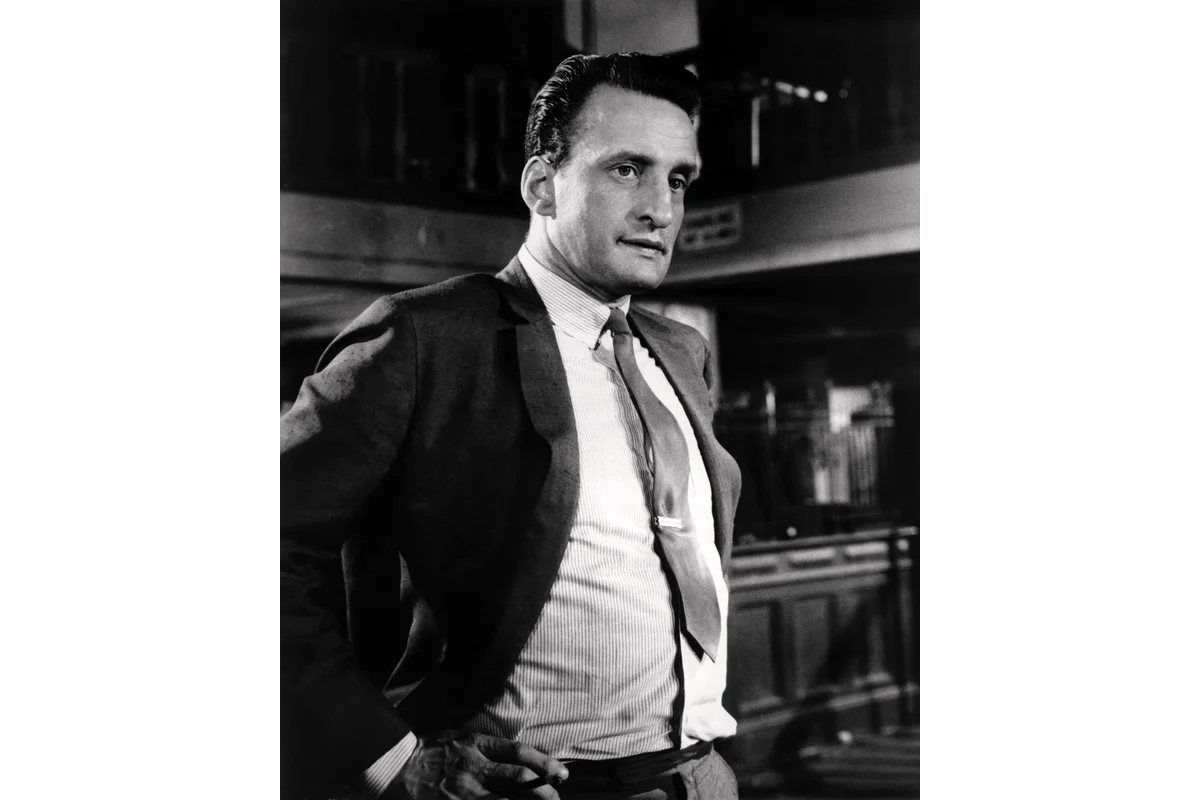
Pacino’s Breakthrough Starring Role in Dog Day Afternoon
Nearly fifty years earlier, Al Pacino took center stage in Sidney Lumet’s 1975 classic Dog Day Afternoon, which tells the real story of a bank robbery gone catastrophically wrong in Brooklyn. Pacino’s character, Sonny Wortzik, a fictionalized version of the real John Wojtowicz, encounters a rapidly deteriorating situation as he attempts to rob a bank to pay for his girlfriend’s gender reassignment surgery.
The film follows Sonny and his accomplices, Sal Naturile—played by John Cazale—and Stevie, through the escalating tensions inside the bank, culminating with Sonny’s arrest at an airport. Dog Day Afternoon relies heavily on its confined setting to heighten suspense and tension. It also engages with political themes, using its real-life inspiration to critique social and cultural issues of its time, a depth that has cemented its place as a landmark thriller and a profound cinematic achievement.
Comparing the Two Films: Similarities and Distinct Differences
Because both Dead Man’s Wire and Dog Day Afternoon involve real-life hostage crises, many viewers and critics have drawn parallels, with some even labeling the former a remake. While both films star Al Pacino and delve into crime and hostage scenarios, their tone, style, and thematic focus diverge significantly.
Dead Man’s Wire adopts a markedly more humorous and energetic approach, fueled by Bill Skarsgård and Colman Domingo’s performances, which infuse levity and a frantic pace. The film’s editing choices contribute to a lively atmosphere that evokes excitement and laughter, even amidst tense moments. By contrast, Dog Day Afternoon presents a tightly contained thriller, confined to mostly one room where tension steadily intensifies. It is more politically charged, exploring Sonny’s motives and societal context more explicitly.
Bill Skarsgård’s Role Delivers a Formidable Challenge alongside Pacino
While the two films differ in delivery, critics agree that the performances anchor their success. Al Pacino’s portrayal of Sonny in Dog Day Afternoon is often cited as one of his most nuanced and career-defining performances. Similarly, Bill Skarsgård’s intense preparation for his role as Tony Kiritsis in Dead Man’s Wire earned praise for displaying a wide range beyond his previous horror film acclaim. Director Gus Van Sant had to limit Skarsgård’s obsessive approach at times, indicative of his commitment.
The fresh dynamism Skarsgård brings to Dead Man’s Wire is noteworthy, even if Pacino’s seasoned performance remains a benchmark. Both actors infuse their narratives with emotional depth, enriching the respective hostage drama experiences for their audiences.
Dead Man’s Wire: A Contemporary Film Poised for Lasting Recognition
For fans of Dog Day Afternoon, Pacino’s work stands as a cult classic that remains relevant and powerful. Although Dead Man’s Wire lacks the intense cultural commentary synonymous with some of Gus Van Sant’s other films, its thrilling depiction of Tony Kiritsis’ story offers compelling drama. By recounting Kiritsis’ drastic actions, including attaching a dead man’s switch to himself and a mortgage banker while demanding a multimillion-dollar payout and an apology, the film preserves a raw, tense atmosphere.
Modern audiences live in an era saturated with cinematic outputs, where many films risk fading quickly from public memory. Despite its modest box office impact, Dead Man’s Wire has the ingredients to be remembered as a distinctive period crime thriller. It stands as a testament to Pacino’s enduring career and a reminder of his range, contrasting his early work with contemporary storytelling styles and themes.
