
Jason Statham’s mid-budget thriller Death Race, released in 2008, continues to captivate audiences nearly two decades later, proving the enduring appeal of his action-packed style. As streaming platforms like Peacock prepare to feature the film once again, the movie’s sustained relevance highlights how Statham’s work anchors a fading era of mid-budget filmmaking amidst today’s evolving industry landscape.
How Death Race Captures Jason Statham’s Signature Style
Death Race draws on elements from Robert Thom’s Death Race 2000 and Ib Melchior’s The Racer, blending science fiction with intense action. The movie follows Jensen Ames, a factory worker wrongly convicted of murder, who is forced into a brutal gladiatorial racing contest where survival means winning freedom. This dystopian plot matches the gritty persona Statham embodies as an actor, reinforcing his reputation for raw authenticity in tough roles.
Directed and written by Paul W. S. Anderson, well-known for his work adapting video game franchises such as Mortal Kombat and Resident Evil, Death Race remains one of Anderson’s most fully realized projects. With sleek visuals and a relentless pace, the film offers a uniquely stylized experience that aligns perfectly with the John Wick-influenced action aesthetics that dominate Hollywood today.
Despite mixed critical reception, evidenced by a 41% score on Rotten Tomatoes, Death Race earned a devoted following thanks to its gritty tone and striking action sequences. Initial box office results were disappointing, indicating that audiences at the time did not fully embrace the sci-fi action hybrid. However, the film’s popularity has grown over the years, especially through streaming, where it has found new viewers and greater appreciation.
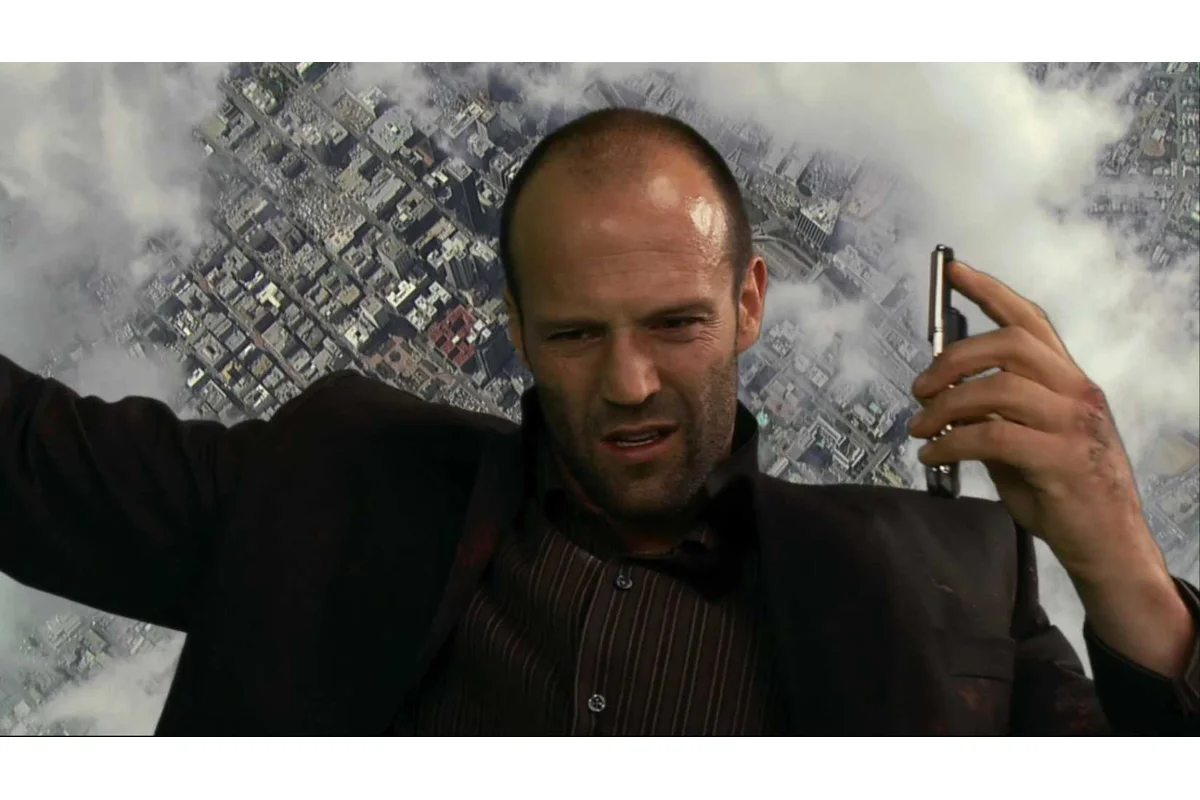
As Jason Statham builds his cult hero status in the action genre, Death Race serves as one of the enduring pillars of his filmography. Made on a mid-range budget, the movie’s longevity is remarkable, reminding viewers of a filmmaking style defined by straightforward thrills and practical effects rather than the large-scale spectacles dominating today’s market.
The Legacy of Mid-Budget Filmmaking Showcased by Death Race
Produced with an estimated budget of $45 million, Death Race managed to gross $76 million globally, yielding a respectable profit that has only improved over time. This performance is notable given the current climate, where even so-called mid-budget pictures often require much larger investments. In contrast, Death Race exemplifies how movies with modest budgets can be both entertaining and financially valuable for studios over the long term.
During the late 2000s, mid-budget films like Death Race represented a substantial segment of the industry. These projects occupied a niche between blockbuster extravaganzas and low-budget independent productions, providing opportunities for actors and film crews to work continuously. Studios favored this middle ground as it allowed diverse stories to be told while sustaining steady cinema attendance.
This era of filmmaking gave birth to numerous genre films that might not have dominated headlines but built loyal fanbases and contributed to Hollywood’s economic ecosystem. Studios appreciated the potential for unpredictably successful hits from such ventures without the enormous financial risks of high-budget tentpole films. Death Race itself, despite some initial underperformance, eventually proved a long-term asset that reinforced the value of mid-budget productions.
Today, that mid-budget space has almost vanished from theaters, replaced by fewer, bigger budget projects that must yield blockbuster returns. However, the historical significance of these films, including Death Race, remains: they shaped a portion of the industry where innovation and steady output coexisted, supporting careers and keeping cinemas vibrant with varied content.
Challenges Facing Mid-Budget Films in Today’s Market
The rise of streaming platforms and shifting studio priorities have dramatically reduced the presence of mid-budget genre films on the big screen. While Jason Statham continues to defend this format through releases like The Beekeeper, these films often struggle to replicate their former theatrical success. Market saturation, changing marketing tactics, and reduced cinema support all contribute to this decline.
Streaming services such as Netflix and Prime Video have become the primary home for mid-budget movies now, investing moderate sums to expand their libraries while often relegating such films to obscurity amid large content slates. Although a few manage to gain cult followings akin to Death Race, many fail to generate significant buzz or become franchise starters, limiting creative risk and reducing long-term studio investments in these types of stories.
Death Race stood out not only for being a mid-budget action film but also for earning an R rating and spawning three sequels, which enhanced Universal Pictures’ intellectual property portfolio. This demonstrates the potential for moderately budgeted films to establish enduring franchises when given adequate support, theatrical exposure, and marketing ambition.
To preserve the vitality of Hollywood and foster diverse storytelling, there is an urgent need for studios to revive investment in mid-budget films with bold creative vision. Such movies offer valuable roles for established stars and working actors alike, contributing to Hollywood’s ecosystem beyond blockbusters. Statham’s sustained relevance through these projects highlights what might be lost as this segment shrinks.
Although Death Race is one among several films from its period, the shrinking number of similar mid-budget productions today raises questions about the industry’s capacity to nurture actors’ versatility and to balance blockbuster dominance with diverse filmmaking. Sustaining the legacy of these films requires deliberate effort from studios and audiences alike.
Recognizing the Cast behind Death Race’s Impact
The film features Jason Statham as Jensen Ames, a wrongfully accused factory worker fighting for survival. Joan Allen plays Warden Hennessey, the relentless overseer of the deadly competition. Ian McShane appears as Coach, a mentor figure entrenched in the lethal racing world, while Tyrese Gibson portrays Machine Gun Joe Mason, a formidable opponent in the race. Together, these actors bring depth and energy to a narrative fueled by tension and survival instincts.
