
Martin Scorsese’s HBO Vinyl was expected to be a major success when it premiered in 2016, backed by a $30 million pilot budget and heavyweight producers like Mick Jagger and Scorsese himself. Despite this, the show failed to connect with viewers, leading HBO to cancel it after just one season. The series aimed to explore the 1970s New York rock scene, but the high cost and niche appeal ultimately undermined its chances.
The Challenges Vinyl Faced in Engaging HBO’s Audience
HBO has a long history of producing groundbreaking series such as Oz, The Sopranos, and the blockbuster Game of Thrones. Vinyl arrived with high expectations, especially given its creators’ credentials: Terence Winter, known for Boardwalk Empire, and Martin Scorsese, who directed the pilot. Still, Vinyl struggled to gain traction, airing during a time when HBO was gearing up for big launches like Westworld and coping with the mixed reception of True Detective’s second season.
Set in the 1970s music industry, Vinyl’s focus on contract negotiations, artist signings, and the inner workings of record labels proved too specialized for a broad audience. While the subject might have appealed to hardcore fans of the era, many viewers found it difficult to engage with dense storytelling that mixed fictional characters with references to real musicians, without fully naming them. This approach left the show feeling distant rather than immersive.
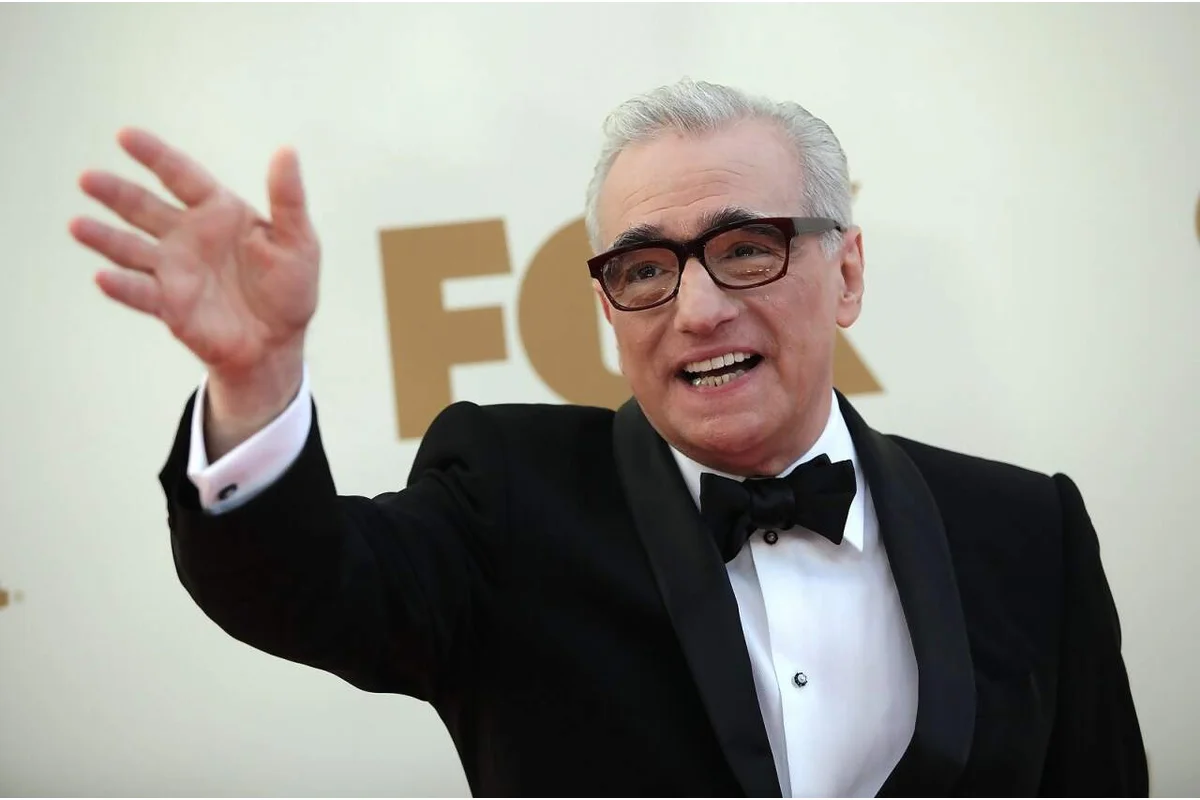
The cast included notable actors such as Woody Harrelson, Justin Theroux, Domhnall Gleeson, Lena Headey, Bobby Cannavale, Olivia Wilde, and Ray Romano, but even their talents weren’t enough to elevate the series. Despite attempts at historical accuracy, Vinyl lacked a distinctive perspective on the New York rock culture it portrayed and couldn’t develop compelling characters. The show’s tone was inconsistent, blending raunchy humor with a self-serious drama style, contributing to its unsteady reception.
Behind the scenes, creative tensions further complicated production. Terence Winter frequently clashed with HBO executives, and the pressure to deliver ratings grew as viewership declined episode by episode. Vinyl’s failure to generate strong word-of-mouth or viral moments contrasted with other HBO shows that found passionate audiences despite slow starts. Critics often described the series as more akin to a conventional broadcast show, despite its high costs.
Creative Discord and Cancellation After Initial Renewal
When Vinyl’s pilot debuted, HBO quickly renewed the series, likely intending to boost interest and confidence around the show’s future. However, declining ratings and lukewarm audience reception forced the network to reverse course by June, officially cancelling the series after its sole season concluded.
During the troubled run, Terence Winter was removed as showrunner and replaced by Scott Z. Burns, a talented writer not originally involved in Vinyl’s development. Given that Winter appeared to be the only member invested in the project’s original vision, and Martin Scorsese’s involvement was limited mostly to directing the pilot, continuing without them made little sense.
For HBO, acknowledging that such a high-profile and costly project had failed was likely difficult, but refocusing resources on other promising drama pilots offered a clearer path forward. Vinyl’s downfall served as a cautionary example of the risks inherent in greenlighting expensive shows without ensuring strong viewer connection from the outset.
What Vinyl’s Demise Reveals About Television’s Evolving Landscape
The failure of Vinyl highlights how much television has changed over the past decade. Premium cable networks like HBO used to invest heavily in series with confidence in their long-term success, but the current streaming era sees many shows canceled quickly if they don’t meet expectations.
Vinyl showed that relying solely on high-profile creative teams is not enough to guarantee a series’ success. Unlike later hits from HBO that embraced smaller-scale, contemporary storytelling – such as Succession by Jesse Armstrong or The White Lotus by Mike White – Vinyl struggled because it felt out of touch and overly weighted by its ambitious production demands.
Interestingly, Vinyl became such a minor part of HBO’s catalogue that when it was eventually removed from the platform, there was little public reaction, underscoring its failure to resonate even after cancellation. The show’s costly and conflict-ridden production serves as a warning about the importance of balancing creative ambition with accessible storytelling and audience engagement.
“It didn’t help that the series combined original material with references to existing artists; it felt as if the show could only allude to interesting true stories that it wasn’t specifically naming.” ?Critic Analysis
“The unevenness of the series was likely a result of a hectic behind-the-scenes process in which Winter was constantly at odds with HBO.” ?Industry Insider
“Vinyl had been renewed shortly after its pilot premiered in what may have been a means of generating more hype for the series, but HBO reversed its decision and announced the show’s cancellation in June after ratings didn’t improve following the finale.” ?Media Reporter
“Since Winter appeared to be the only one passionate about the series, as Scorsese had only really been involved in a directorial capacity, it made little sense to continue the show without his involvement.” ?Production Source
