
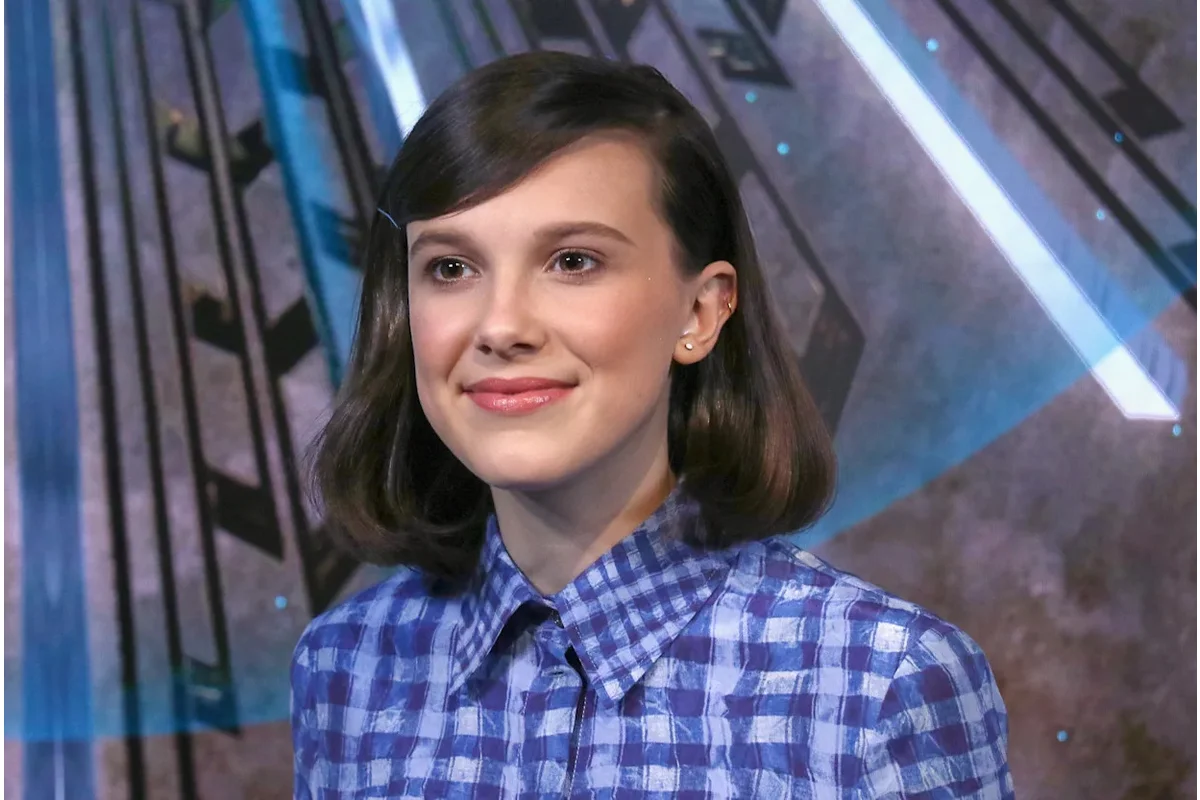
On March 3rd, 2025, Millie Bobby Brown used Instagram to confront journalists who had harshly criticized her looks, asserting firmly, “It’s not journalism, it’s bullying.” The 22-year-old actress, known for her role in Netflix’s Stranger Things, addressed the damaging narratives surrounding her public image and the toxic culture that fuels such attacks.
Relentless Media Scrutiny Since Childhood Fame
Millie’s journey began when she was just 12 years old, rapidly rising to fame after Stranger Things debuted in 2016. Since then, the media has spotlighted her transformation from a young girl into a woman, often with harsh and unfair commentary. She highlighted several cruel headlines such as
“Why are Gen Zers like Millie Bobby Brown aging so badly,”
“What has Millie Bobby Brown done to her face,”
and
“Millie Bobby Brown mistaken for someone’s mom…”
as examples of attacks that focus on her appearance rather than her achievements. Brown expressed her refusal to conform to unreasonable beauty standards, declaring,
“I refuse to apologize for growing up. I refuse to make myself smaller to fit the unrealistic expectations of people who can’t handle seeing a girl become a woman,”
illustrating how the media targets women for simply aging naturally.
Ongoing Criticism Stemming From Personal Choices and Public Image
Beyond appearance, Millie has faced condemnation for personal decisions, such as marrying young and her lively demeanor in interviews and press events. Following the 2024 premiere of Netflix’s The Electric State, she endured social media backlash accusing her of appearing decades older or, paradoxically, being too young after she announced adopting a baby girl with her husband, Jake Bongiovi. These mixed criticisms demonstrate the impossible standards young women face in Hollywood, where any growth or change invites harsh judgment.
Widespread Issue Extending Beyond Millie Bobby Brown
Millie’s experience is part of a broader pattern affecting many young female celebrities. Beyoncé’s daughter, Blue Ivy Carter, has also been subjected to relentless online scrutiny about her clothing and appearance despite her young age and numerous accomplishments. Whether attending major events like the 2025 Grammys or voicing a character in Mufasa: The Lion King, Blue Ivy’s choices are often unfairly critiqued instead of celebrated. This reveals how society fixates on young females in the public eye, undermining their individuality and achievements.
The Double Standard of Maturation and Media Expectations
Girls mature physically and emotionally at different rates, yet the media’s expectations remain rigid and often cruel. Young girls face pressure to adopt adult styles prematurely, and when they don’t, they are ridiculed. This cycle damages not only individuals like Millie and Blue Ivy but also the wider community of young people who witness such judgments and internalize harmful messages. Millie’s own reflections echo this concern, recalling how she was visibly different as a child and how others’ looks and reactions made her feel isolated and pressured to grow up faster than her peers.
Women Also Perpetuate Harsh Criticism in a Recently Exposed Dynamic
An unsettling part of Millie’s revelation was the fact that many of the journalists responsible for these attacks were women, demonstrating how even within solidarity movements, women face hostility from their own. This contradiction challenges the notion that women are always “on the same team” and highlights a persistent struggle for safe spaces free of judgment in Hollywood and beyond. Meanwhile, men are rarely subjected to similarly intense scrutiny, showing a deeply rooted gender disparity in public treatment.
Historic Examples of Celebrity Scrutiny
The cycle continues with other prominent women in entertainment. Billie Eilish has experienced backlash for her distinct, tomboyish style that defies conventional feminine norms, while Emma Watson and Britney Spears faced their own public battles with criticism over appearance and behavior. Brooke Shields, who was heavily sexualized as a teenager, has spoken about embracing aging naturally and rejecting destructive beauty standards. These stories underscore a long-standing tradition of unfair public and media pressures on female celebrities emerging from a young age.
The Role of Journalism and the Call for Responsible Reporting
Holding public figures to unrealistic standards dehumanizes them and distracts from genuine journalism’s purpose—to inform and foster transparency. Instead, focusing on women’s appearances fuels a harmful cycle of blame and ridicule that benefits no one except those chasing clicks online. Over half the journalists Millie identified have since apologized, with Lydia Hawken, author of
“Why are Gen Zers like Millie Bobby Brown aging so badly,”
even quitting her position at the Daily Mail. This public confrontation shines a light on the urgent need for change across media platforms.
Moving Forward: Audience Responsibility and Cultural Change
Although Millie’s courage brought attention to this issue over a year ago, the problem remains entrenched in both Hollywood and public discourse. The media quickly moves to new scandals, but the underlying injustice continues. Real progress depends not only on celebrities speaking out but also on audiences refusing to reward cruelty with engagement. As Women’s History Month is observed, honoring women’s achievements while rejecting harmful narratives offers a timely moment to start dismantling this damaging culture.
