
Richard Jenkins revealed that he was unaware of the meaning of “DTF” when he began working on the HBO series DTF St. Louis, which premiered recently. The show, set in St. Louis, centers on a mid-life love triangle and explores themes of intimacy and betrayal through the backdrop of an unconventional dating app.
Richard Jenkins’ Initial Confusion About the Show’s Title
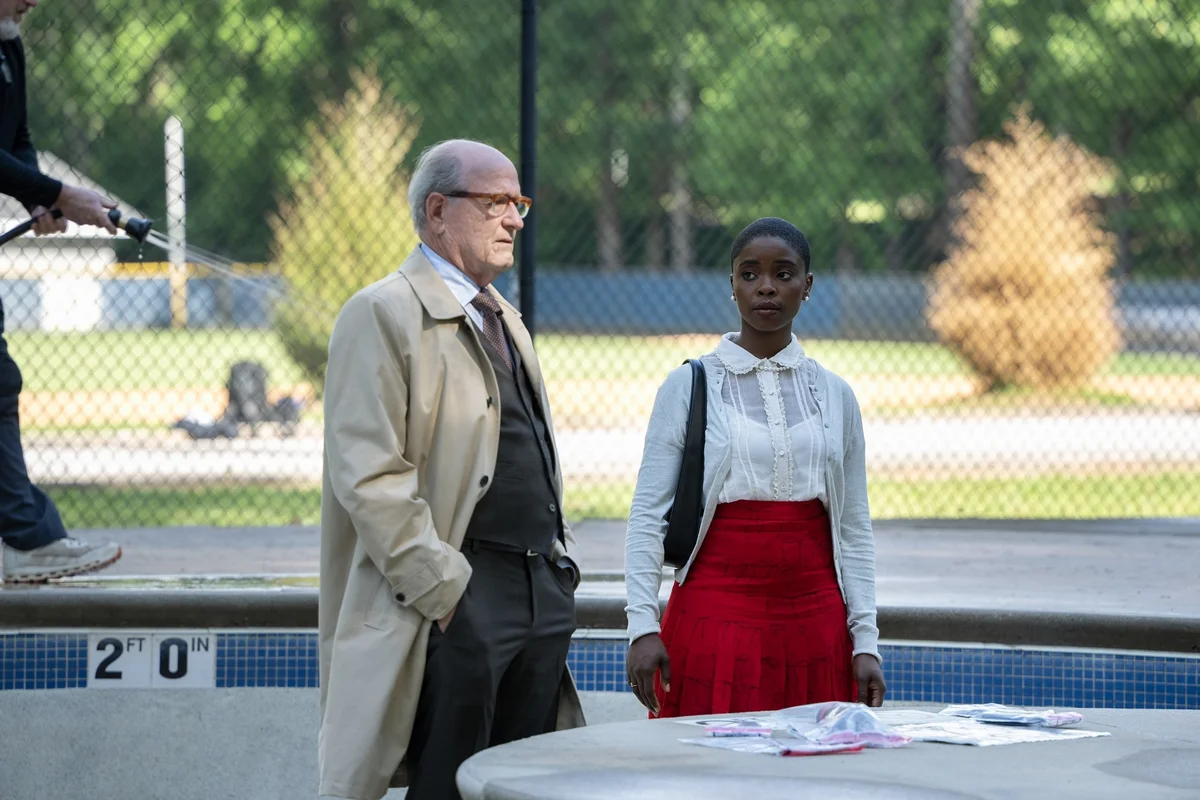
While preparing for his role as Homer, a veteran homicide detective in DTF St. Louis, Jenkins admitted that the slang term embedded in the show’s title was unfamiliar to him at first. After receiving all seven episode scripts from writer-director Steven Conrad, Jenkins had to quickly catch up on modern slang to understand the show’s premise fully.
I got all seven episodes and I was — I didn’t know what ‘DTF Saint Louis’ meant until I started reading,
Jenkins explained.
I didn’t, I know I talked to Steve on the phone and he was saying, you know, we do DTF Saint Louis. I’m going, ‘Yeah, yeah, yeah.’ [I had] no idea what it was. And so he sent me the script and then I found out, but it was brilliant.
— Richard Jenkins, Actor
Understanding the Significance Behind ‘DTF St. Louis’
The phrase “DTF” is widely known on the internet as an abbreviation for “down to fuck,” signaling a casual and straightforward approach to physical relationships. In the context of the series, however, DTF St. Louis is portrayed as a dating app primarily used by married individuals seeking extramarital encounters. This premise sets the stage for the show’s exploration of complex adult relationships and the consequences of seeking intimacy outside of traditional bonds.
The plot follows David Harbour’s character, Floyd Smernitch, who downloads the app upon the suggestion of his friend Clark, played by Jason Bateman, in an attempt to revive his waning sex life. Floyd’s dissatisfaction partly stems from the shifts in his domestic life, including his wife Carol’s (Linda Cardellini) decision to work as an umpire, which he claims dampens their romantic connection.
Richard Jenkins Reflects on the Script’s Quality and His Role
At 78, Jenkins acknowledged that the slang and themes in DTF St. Louis were outside his everyday experiences, yet he praised the writing and was drawn to the project precisely for its clever storytelling. He highlighted Steven Conrad’s script as a significant factor in his enthusiasm for the series.
The script is brilliant. His writing is brilliant, it’s really great, it’s so smart. I mean, writing exposition is so hard, and foreshadowing, it’s so hard to get information into a movie that an audience needs to know without saying, ‘You know, what day is it today?’ ‘Oh, it’s Tuesday,’ you know? Then there’s a way to get Tuesday in there that you don’t even see it,
Jenkins shared.
Having access to the entire season upfront allowed Jenkins to appreciate the depth and unexpected twists the show offers, hinting at a narrative that will challenge viewers’ expectations as they watch unfold.
Premiere Details and Viewing Options for DTF St. Louis
The initial episode, titled “Love Will Tear Us Apart,” is now available on HBO Max, inviting audiences into this darkly comedic and suspenseful storyline. The platform offers various subscription options, with plans starting at $10.99 per month with ads or $18.49 per month for an ad-free experience.
Additionally, viewers interested in adding more streaming services can consider bundled subscriptions combining Disney+, Hulu, and HBO Max. These bundles offer a more comprehensive selection of content at a promotional rate, either with or without advertisements.
The Broader Impact of DTF St. Louis and What to Expect Next
By tackling risky themes such as infidelity and mid-life crises through a dark comedy lens, DTF St. Louis sets itself apart as a provocative new series on HBO. With Richard Jenkins, David Harbour, Jason Bateman, and Linda Cardellini bringing complex characters to life, the show promises a blend of humor, tension, and unexpected moments that will keep audiences engaged.
As the episodes progress, viewers can expect the narrative’s intensity to deepen, with the love triangle leading to dramatic developments that underline the unpredictability of personal relationships. Jenkins’ participation and the quality of the writing suggest a series that not only entertains but also asks difficult questions about desire, secrecy, and loyalty in modern life.
