
Demi Moore’s recent appearance on the red carpet sparked a wave of conversation about Demi Moore ageing gracefully, as fans compared her look to fellow actress Monica Bellucci. Both actresses, now in their sixties, appeared at separate events but showcased noticeably distinct physiques that stirred public debate about ageing and body image.
Moore wore a black strapless gown at the Actor Awards in Los Angeles, which highlighted a significantly thinner frame than fans expected. Meanwhile, Monica Bellucci, 61, attending an event at the Royal Festival Hall in London, wore an off-shoulder gown that emphasized her fuller figure and drew praise for her youthful appearance.
Public Reactions Reflect Concern Over Weight Loss and Ageing
The dramatic difference in their appearances triggered discussions on social media platform X, where the original post comparing the two actresses garnered over 7.2 million views and thousands of comments. One woman commented,
“As us women age, skinny doesn’t look good on us anymore. Having some curves fills in the wrinkles and just looks healthier and more confident,”
referring directly to Demi Moore’s noticeable weight loss and its effect on her appearance.
This reaction was echoed by UK-based Dr Ross Perry, medical director of Cosmedics skin clinic, who explained the physical impact of significant weight loss in older women.
“Over the years, women naturally lose bone density, muscle mass density and, in some cases, volume from their skin in their subcutaneous fat,”
he said.
“This can give them a very gaunt or petite appearance, and if this is not regulated, then certainly this can make them appear frail.”
Fans expressed worry both about Moore’s health and the potentially harmful influence ultra-thin celebrities may have on societal standards regarding women’s appearances as they age.
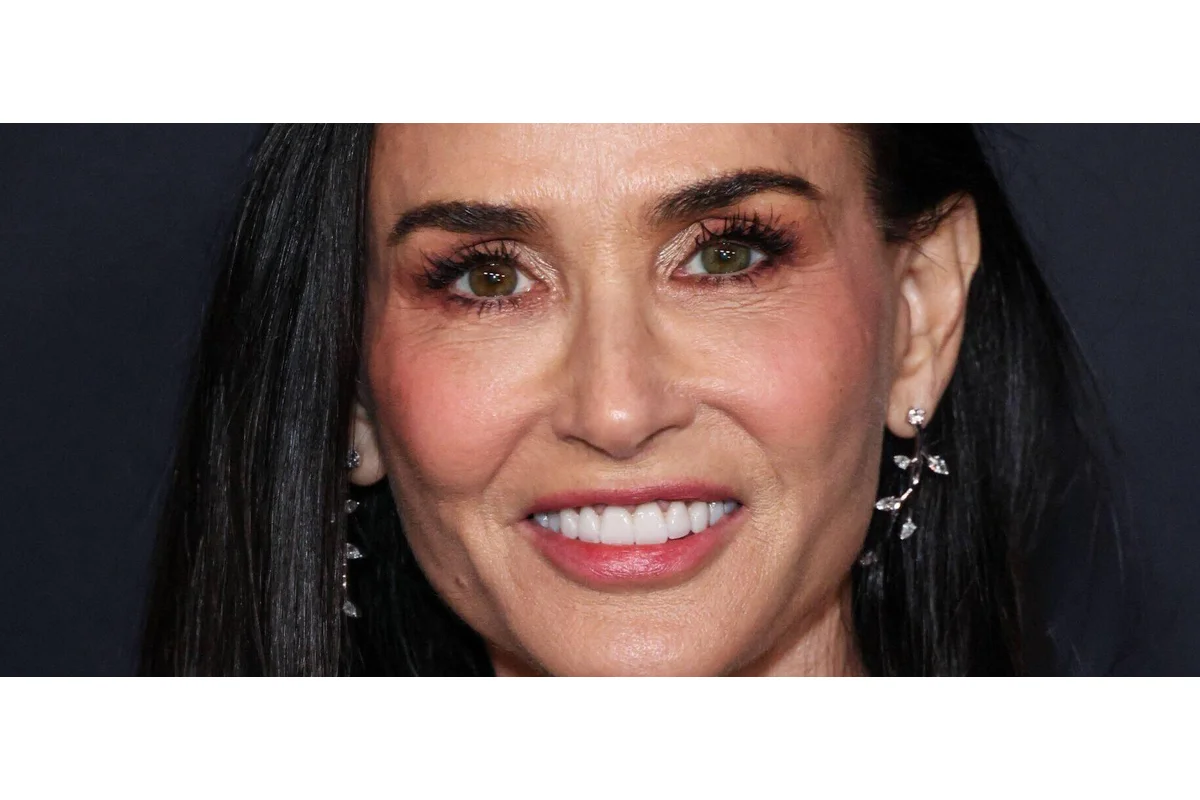
Demi Moore’s Weight Loss Raises Speculation About Health and Aging
Moore’s particularly slim figure at the recent awards led some to speculate whether she might have used the drug Ozempic, which has gained attention for its dramatic weight loss results. Her representatives declined to comment. However, side-by-side comparisons of her latest look with her appearance at last year’s Academy Awards revealed a stark difference, with many noting the change was unsettling.
One social media user posted,
“I didn’t realise how different she looks until someone posted her from the Oscars last year, side-by-side. It makes my heart hurt.”
Another added,
“It pains me to look at her.”
Dr Ross Perry warned that excessive weight loss in post-menopausal women may “unfortunately accelerate the ageing process,” pointing out that loss of facial volume causes more pronounced hollowing around the eyes, sharper cheekbones, and looser skin around the jaw and neck. These changes can create a fragile, gaunt appearance under harsh lighting, particularly with today’s high-definition photography.
Similar Concerns Raised by Other Public Figures’ Weight Changes
The conversation extends beyond Moore, with fans also voicing concerns for other celebrities who have undergone significant weight loss in their 60s and beyond. Sharon Osbourne, 73, revealed she lost three stone (42 pounds) in four months after using Ozempic, a diabetes medication. Fans urged her to prioritize her health, as Osbourne herself expressed ongoing frustration with maintaining a healthy weight.
She shared,
“Now, I weigh just over 7st (around 44kgs). I need to put on 10lb (4.5kgs), but however much I eat, I stay the same weight.”
Osbourne later admitted to the Daily Mail that she has “given up on all interventions,” acknowledging the toll the medication has taken on her wellbeing. She said,
“It’s taken years for me to say this, but I’ve learned my lesson. This is me. It’s finally time to leave well alone.”
Similarly, actress Michelle Yeoh, 63, appeared notably thin at the Wicked For Good premiere in Singapore last November, drawing attention for her slender frame.
Industry Veterans Share Views on Weight and Ageing
Veteran actresses have weighed in on the issue of ageing and weight, including Jane Seymour, who publicly acknowledged the truth behind the phrase
“being thin makes you look older.”
Actress Sharon Stone, 67, was praised for her fresh and youthful appearance at the 2026 Astra Film Awards in Beverly Hills, reinforcing the idea that maintaining a healthy body weight contributes positively to ageing.
Dr Perry explained,
“Those who maintain their weight tend to look healthier. What we’re seeing on red carpets is that women in their 60s who look the most radiant aren’t necessarily the slimmest in figure, they’re the ones who look strong, well-nourished and glowing.”
He added that muscle tone, good nutrition, and healthy fats all contribute to firmness and vitality, noting that resistance training is especially important post-menopause to preserve muscle mass and bone strength, which support facial and bodily structure.
“Hydration, SPF, medical-grade skincare and subtle tweakments can help, but if someone is underweight, the skin simply doesn’t have the same cushion. Cameras are unforgiving – they amplify hollowing and texture,”
Dr. Perry pointed out.
Public Opinions Highlight the Cultural Pressure of Thinness
The differing presentations of Demi Moore and Monica Bellucci sparked debate about societal expectations. One fan remarked,
“Despite being similar ages, Demi and Monica come across so differently. Monica looks confident, comfortable, and proud of how she’s ageing.”
The same fan also criticized the unrealistic standards perpetuated by ultra-thin celebrities, stating,
“Young girls see that and become obsessed with chasing perfection. This is a cultural problem.”
Other commenters suggested both body types are beautiful despite their contrasts, emphasizing the importance of balance. Dr Perry summarized this sentiment:
“In your 20s and 30s, to be slim may feel beautiful. In your 60s, a little softness often translates as healthier and more youthful. Ageing well isn’t about chasing thinness; it’s about nourishment and skin quality.”
Why This Debate Matters for Women Over 60
The ongoing discourse surrounding Demi Moore ageing gracefully highlights deeper issues beyond celebrity appearances. It reflects how cultural and beauty standards impact women’s self-perception, health decisions, and the pressures they face as they grow older. Maintaining a healthy weight, balanced nutrition, and muscle mass appear essential for a more youthful and vibrant look, challenging the notion that extreme thinness defines beauty at any age.
Given the influence of public figures like Demi Moore, Monica Bellucci, Sharon Osbourne, and Michelle Yeoh in shaping perceptions, these conversations could encourage broader acceptance of diverse body types and promote healthier views on ageing among women globally.
Monica Bellucci, 61,
vs.
Demi Moore, 63The Mediterranean diet versus the Hollywood one 🍝💉
Ladies and gentlemen, the choice of what to put on your table is yours pic.twitter.com/UamHmIcGet
— Mambo Italiano (@mamboitaliano__) February 27, 2026
Demi Moore is 63 & Monica Bellucci is 61, yet they come across so different.
Monica looks confident, comfortable, & proud of how she’s aging.She carries herself with such ease.
With Demi,there’s insecurity to constant reinvent.Ironically, all the surgeries makes her look older! pic.twitter.com/UiwdbwZAu0
— Hanz (@fashionistaera) March 3, 2026
