
Taron Egerton, the Welsh actor known for his role in Kingsmen: The Secret Service, has opened up about his dissatisfaction with filming the 2018 Robin Hood movie. Despite being cast as the legendary folk hero in a high-profile production backed by producer Leonardo DiCaprio, Egerton’s experience on set was far from what he expected, and the film ultimately failed to meet expectations at the box office.
High Hopes for a New Robin Hood Adaptation
Egerton’s career had steadily risen since his 2012 debut, peaking with acclaim for Rocketman, which earned him a Golden Globe in 2020. In 2018, the opportunity to portray Robin Hood alongside a notable cast including Jamie Foxx, Ben Mendelsohn, and Eve Hewson seemed poised to elevate him to global superstardom. The film had a $100 million budget and hoped to reimagine the legendary outlaw story with a modern action twist, but the final product was met with disappointment.
Box Office Disappointment and Harsh Criticism
The Robin Hood movie grossed only $86.5 million worldwide, failing to recoup its budget and becoming one of the year’s major commercial flops. Critics were unimpressed by its uneven tone and poorly executed attempt to update the classic tale, criticizing the film’s inconsistent mix of slick modern action and gritty elements. Its reception was so poor it garnered nominations at the Golden Raspberry awards, including Worst Picture and Worst Remake, Rip-Off or Sequel.
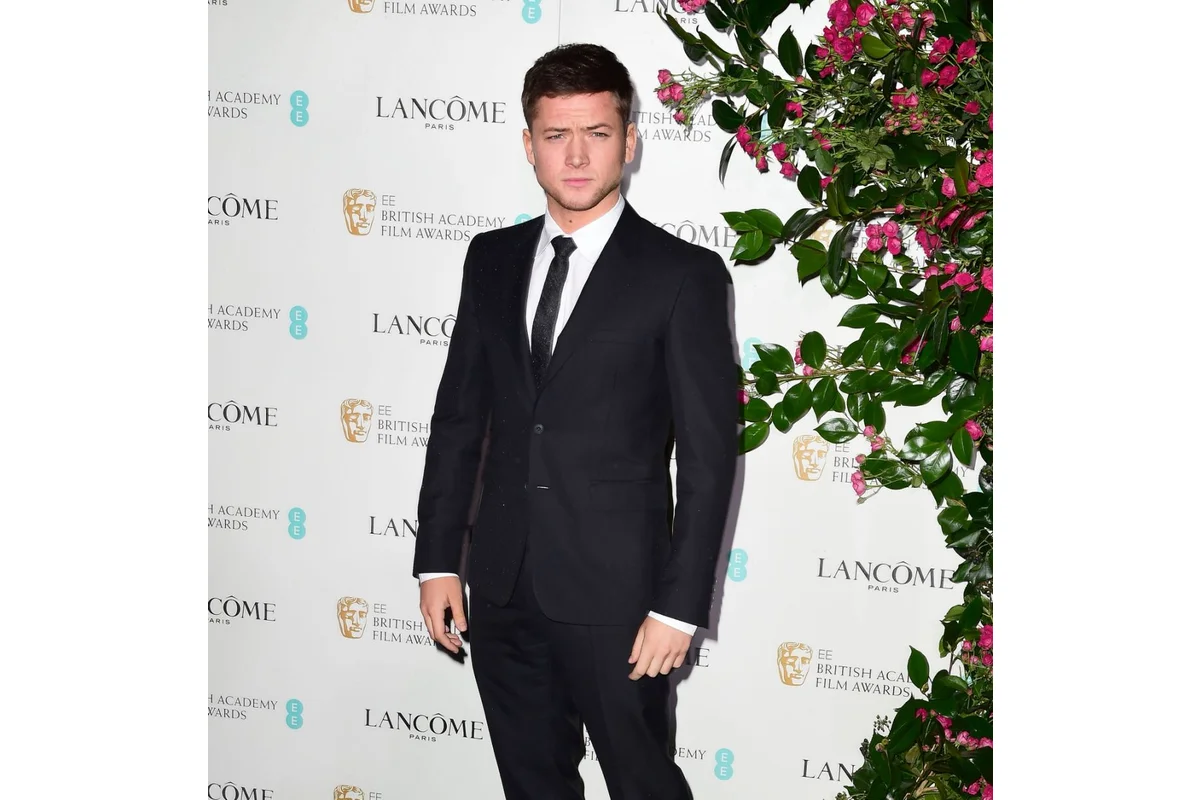
Taron Egerton’s Frustration with the Production
Egerton revealed in an interview with Variety that he felt the finished movie was drastically different from what had been promised to him. He expressed his disappointment with the filmmaking process and the final product, saying,
“It was absolutely not the movie that I signed up to make,”
he said.
“It was pitched to me in a different way. I think it was made by committee and I think it lost its vision. I wasn’t very happy on set. I didn’t have a very happy time making it.”
— Taron Egerton, actor
Direction and Tonal Confusion in the Film
The movie was directed by Otto Bathurst, known for his work on the BAFTA-winning series Peaky Blinders. Given Bathurst’s previous success with dark, gritty storytelling, audiences might have expected a strong, grounded portrayal of Robin Hood. Instead, the film struggled to balance its stylistic choices, oscillating awkwardly between flashy modernity and rough, punk-inspired scenes.
This inconsistency extended to the movie’s attempt to address the character’s political relevance. Robin Hood’s theme of wealth redistribution could have resonated with contemporary audiences, but the film failed to deliver a meaningful take on these issues, leaving the story flat and disconnected from its potential social impact.
Challenges of Reviving a Legendary Character
Robin Hood remains one of the most frequently retold tales, with fresh adaptations continuing to emerge, including a 2026 release starring Hugh Jackman as an older version of the hero. For any new version to stand out in such a crowded field, it must offer innovation or a unique perspective. Unfortunately, despite initial promises and Egerton’s enthusiasm, this Robin Hood adaptation was unable to distinguish itself significantly.
Implications and Looking Ahead
For Taron Egerton, the experience marks a disappointing chapter amid a promising career that includes near casting as Han Solo. The film’s commercial and critical failure has likely influenced perceptions of his potential as a leading man in big-budget franchises. Meanwhile, the Robin Hood story’s constant reinvention shows its enduring appeal, though delivering a successful modern take remains a challenging task for filmmakers and actors alike.
