
Esai Morales brings a grounded authenticity to Netflix’s upcoming film War Machine, which blends intense military drama with sci-fi elements. The movie, streaming March 6, 2026, explores an elite U.S. Army Ranger team trapped in a deadly survival scenario during a training exercise, with Morales portraying a hard-nosed officer embodying military realism amid escalating otherworldly threats.
Blending Genuine Military Spirit with Sci-Fi Tension
In War Machine, the story pivots midway from a realistic depiction of military training to a fantastical science fiction thriller. Morales, conversing with ComingSoon Editor-in-Chief Tyler Treese, shared how this tonal shift was enhanced by his commitment to portraying the soldier’s experience with honesty. Having family in the military, Morales connected deeply with the spirit and sacrifices soldiers make, emphasizing that his character’s toughness reflected authentic Ranger pride rather than superficial sci-fi tropes.
“During the final stage of US Army Ranger selection, an elite team’s training exercise turns into a fight for survival against an unimaginable threat,”
the film’s synopsis reveals, setting the stage for this clash between realism and fantasy.
Morales explained,
“I just liked that it didn’t feel like your average sci-fi piece. So the realism, that’s what appealed to me. So I wanted to be as true to the nature of the characters. I know he’s hardcore, he’s a bit of a badass, and I played it up hard because you want to have that kind of bulldog spirit.”
This gritty foundation creates a contrast that heightens the film’s suspense, as the narrative evolves into new, unexpected territory.
He added,
“The more realistic we can be, the greater the shift, and when the shit hits the fan, you’re engaged.”
This dedication to verisimilitude makes the sudden sci-fi elements more impactful and keeps viewers emotionally invested.
Portraying a Military Officer Beyond Familiar Roles
Although Morales has frequently played authority figures such as police officers, taking on the role of an Army officer demanded subtle differences in demeanor and vocal cadence. He described his approach as embodying the unique “Southern-esque” twang distinctive to military leaders, which carries a disciplined yet commanding tone.
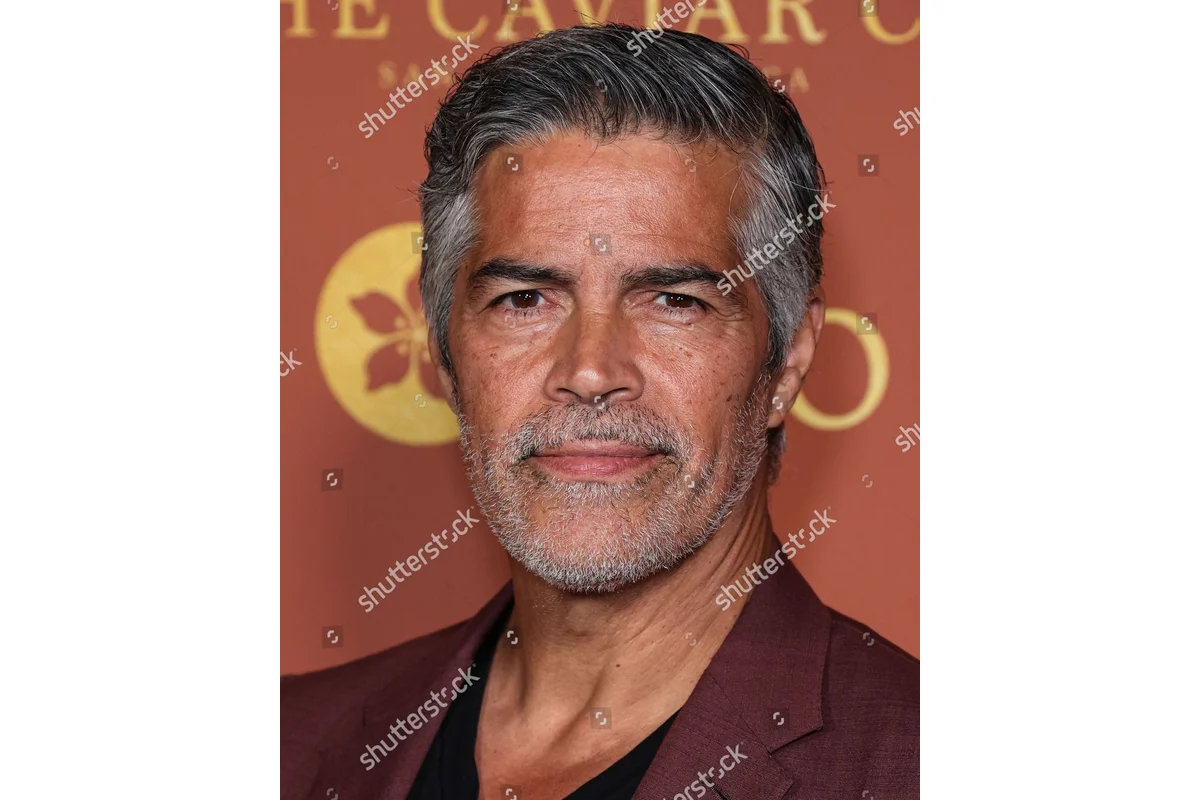
He reflected,
“Standard police role is a lot less barky, even though you can have those kind of characters. I just like digging in. I like going hardcore military, having that cadence, that twang that is specific to the military.”
His portrayal aimed to capture the pride and intensity innate to Rangers, emphasizing respect and authenticity in every command given.
Morales also shared his collaboration with director Patrick Hughes in shaping this performance.
“It’s our great director Patrick Hughes’ job to tell me, bring it down, bring it up, so I just went all in.”
This trusting creative partnership allowed Morales to fully immerse in the character while staying aligned with the film’s vision.
Director Patrick Hughes Brings Energy and Focus to the Production
Morales praised Patrick Hughes’ leadership style, highlighting the director’s playful yet intense energy on set. Hughes’ enthusiasm turns the production process into an enjoyable but serious “sandbox,” where creativity thrives within a highly professional environment.
“He’s like a big kid. He’s huge — I mean, he could have been one of the soldiers himself. He’s a guy’s guy, and the energy he had is, Let’s play.”
Morales said. This attitude helped cultivate a motivated atmosphere where cast and crew were eager to deliver their best work.
Morales recalled Hughes’ excitement when seeing the film come to life, sharing,
“He’s Aussie, he’s like,
Oh, we got a banging film.
I love it. He’s just so much fun, and he delivers. I mean, this thing, you can’t stop watching. You’re like,
OMG, what’s going to happen next?
”
Hughes’ infectious enthusiasm clearly fueled both the creative energy on set and the final cinematic experience.
The Intensity of Military Training and On-Set Demands
As a character who commands others during intense military drills, Morales was vocal and forceful throughout filming, sometimes at the cost of his own voice. He shared that extended days of yelling orders were physically taxing, coming off a recent head and chest cold while maintaining the energy required for authenticity.
Nonetheless, Morales viewed this demanding process as a form of service, akin to his regard for soldiers themselves.
“I felt like I was serving my country. I felt like we all have a part to play if we so choose. For me, being an actor is how I serve my community, telling stories,”
he said. His perspective on storytelling as a form of contribution elevates the importance of portraying military lives with respect and nuance.
Morales also expressed admiration for the physical dedication of his fellow actors, noting that the cast underwent intense training regimens to embody their roles. He confessed to some envy over their transformed physiques but emphasized his respect for the discipline and professionalism shared by all involved.
Alan Ritchson’s Controlled, Focused Performance
Morales reflected on his co-star Alan Ritchson’s compelling portrayal of the titular “war machine,” highlighting Ritchson’s choice to express the character’s drive through subtlety rather than overt emotion. This restraint aligns with the film’s exploration of military precision and mission focus.
He explained,
“His character isn’t there to over-emote. He’s on a mission, and he’s very focused. It’s about crossing that finish line for the reasons you’ll know when you watch, and he’s very single-minded in his approach.”
This understated style leaves space for the audience to interpret underlying emotions and tensions, contributing to a layered narrative experience.
Morales emphasized the value of balance in performance, noting,
“A great lead withholds just enough to keep you wondering. Not too much where he’s just there, but it’s a balance, and a good director like Patrick will tell the story around him so the actor doesn’t have to do too much.”
This thoughtful approach engrosses viewers by inviting active engagement rather than delivering clear-cut emotional cues.
Reflecting on Acting and Emotional Expression
Morales shared a striking insight from a previous project, recounting a quote he once saw on a mirror in hair and makeup during filming for Caprica. This quote, attributed to Robert De Niro and placed by Eric Stoltz, resonated deeply with his craft:
Most actors revel in displaying their emotions when in real life the majority of people do everything they can to hide their true feelings.
This observation informs Morales’ careful calibration of emotional expression, emphasizing that acting is a nuanced dance between revealing and concealing internal states. He elaborated,
“It’s all about how much do you show without showing too much? How much do you conceal without shutting off the light?”
This philosophy underpins the layered performances seen in War Machine and demonstrates the film’s attention to psychological realism.
A Committed Ensemble Bringing War Machine to Life
Beyond Morales and Ritchson, the film features an ensemble of actors and extras undergoing rigorous military-style training to convincingly portray Army Rangers. Morales praised their dedication and camaraderie, acknowledging the collective effort required to create a believable atmosphere of intensity and danger.
This commitment, combined with Hughes’ dynamic directing and Morales’ authentic grounding, shapes War Machine into a distinctive offering that challenges genre boundaries. It promises to engage viewers through both visceral realism and high-stakes speculative storytelling, making the March 2026 release a compelling watch for fans of military dramas and sci-fi thrillers alike.
