
Saturday Night Live veteran Terry Sweeney recently reignited the Chevy Chase controversy SNL has witnessed for decades by describing the comedian as
“one of those turds you flush down the toilet, but it comes back up again and again.”
This blunt characterization highlights ongoing tensions tied to Chevy Chase’s difficult reputation, which has persisted since his heyday in the 1970s and continues to shadow his career.
Although Chevy Chase was once a beloved figure on SNL, the narrative has shifted substantially over time. Numerous individuals who worked closely with him have painted a picture of an abrasive and unpleasant personality. While a single accusation might be dismissed, the consensus formed by many prominent comedy figures confirms his widely acknowledged difficult nature.
Multiple Generations of Comedians Speak Out Against Chevy Chase
Criticism of Chase has come from multiple generations within the comedy world. Bill Murray, a fellow original SNL cast member, reportedly “fucking hated Chase’s guts” during their time on the show together. Will Ferrell, who rose to fame on SNL in the late 1990s, labeled Chase as the worst guest host he ever encountered. More recently, Pete Davidson has referred to him as an “irredeemable douchebag,” suggesting no improvement in Chase’s reputation has occurred over the years.
The negative perceptions extend beyond SNL itself. Cast and crew involved with the television series Community have called Chase difficult to work with, describing him as a “prick.” Filmmaker John Carpenter was so disturbed by his experience with Chase during the production of Memoirs of an Invisible Man that he considered quitting the industry. Similarly, director Chris Columbus nearly abandoned his career after encountering escalated problems early on due to Chase’s behavior.
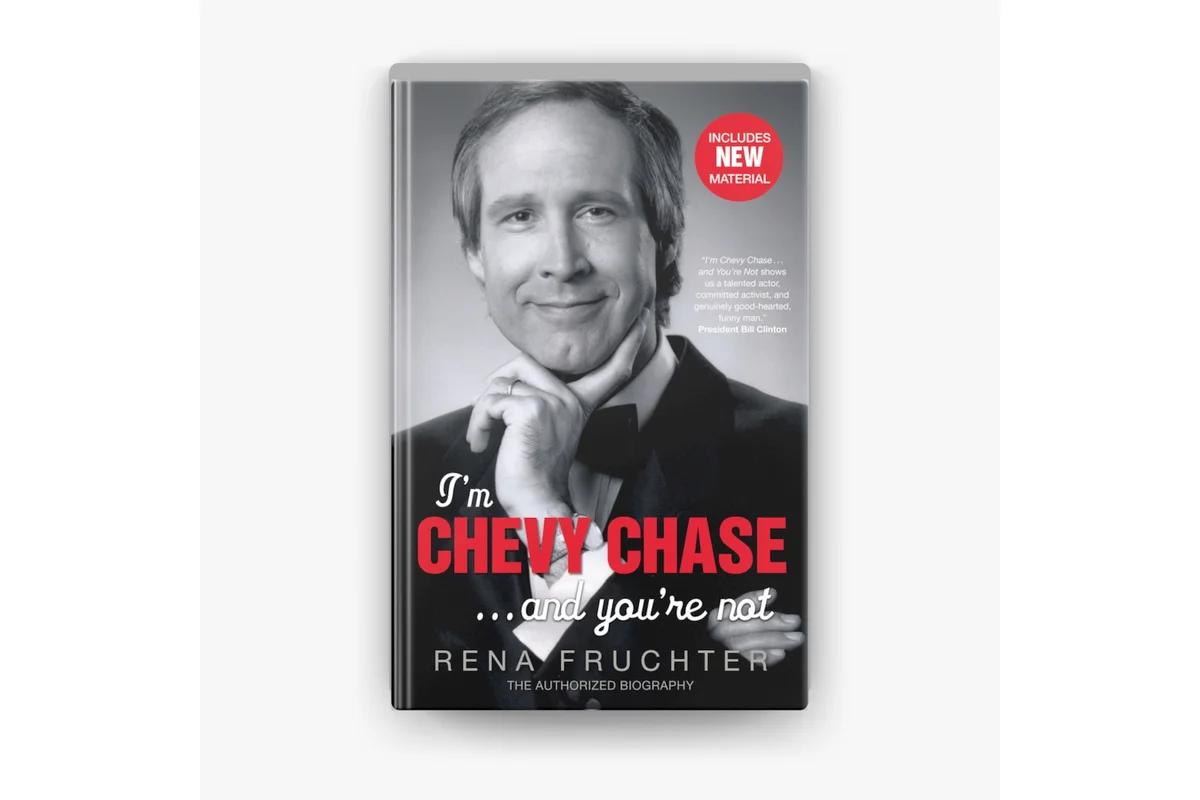
Terry Sweeney Shares Personal Experience with Chevy Chase’s Bigotry
Terry Sweeney, known as SNL’s first openly gay cast member and writer, spent six years working in various roles on the show. He has publicly revealed that during a guest hosting stint, Chase launched a homophobic tirade against him. Sweeney, who has described Chase as a “monster” who “acted horribly to everyone,” was unsurprised to learn that in the documentary I’m Chevy Chase and You’re Not, Chase denied any such insults ever occurred and even implied that Sweeney was no longer alive—a claim Sweeney firmly rebutted.
Chevy is one of those turds you flush down the toilet, but it comes back up again and again,
Terry Sweeney told the New York Post, illustrating his deep-seated disdain for the comedian who he admits he has loathed since the 1980s.
The hostility between them partly arises from an incident where Chase suggested that it would be “hilarious” if Sweeney participated in a recurring sketch portraying a character with AIDS. The idea was deeply offensive to Sweeney, and despite his objections, Lorne Michaels, SNL’s head honcho, attempted to justify Chase’s behavior.
Lorne Michaels Attempts to Defend Chevy Chase’s Offensive Conduct
Michaels acknowledged Chase’s history of making provocative remarks but framed it as part of his comedic style.
I think Chevy was just being Chevy,
Michaels said.
He would say things that were funny, and he would assume you were comedy people, and he could speak that way. You know, we would say terrible things, because that’s what would make us laugh.
This explanation, however, has been criticized as insufficient in addressing the severity of Chase’s offensive behavior.
Lasting Impact of Chevy Chase’s Behavior on Comedy Community
Chevy Chase’s legacy is deeply marred by widespread accounts of misconduct, offensive attitudes, and hostility toward colleagues across multiple projects and decades. What began as frustration within the confines of SNL has extended into other collaborations, undermining professional relationships and contributing to a toxic working environment.
As more former co-stars and crew members speak openly about their negative experiences, the broader comedy community continues to call attention to the detrimental effects of Chase’s conduct. Whether this long-standing controversy will lead to a re-evaluation of his public image, or eventually result in him fading from the mainstream comedic narrative, remains to be seen.
