
Ben Stiller has criticized the White House for incorporating scenes from his film into a contentious pro-war video without obtaining permission, sparking controversy as tensions escalate following recent US and Israeli military strikes on Iran. The incident highlights growing disputes over the use of popular culture in political messaging amid heightened global unrest.
Details of the White House’s Controversial Video and Stiller’s Response
The White House released a video showcasing clips from well-known films such as Gladiator, Top Gun, and Superman, paired with the slogan “Justice the American way,” amid escalating conflict with Iran. Included in this montage was a segment from Ben Stiller’s 2008 satire Tropic Thunder, a choice that elicited swift backlash from the actor himself.
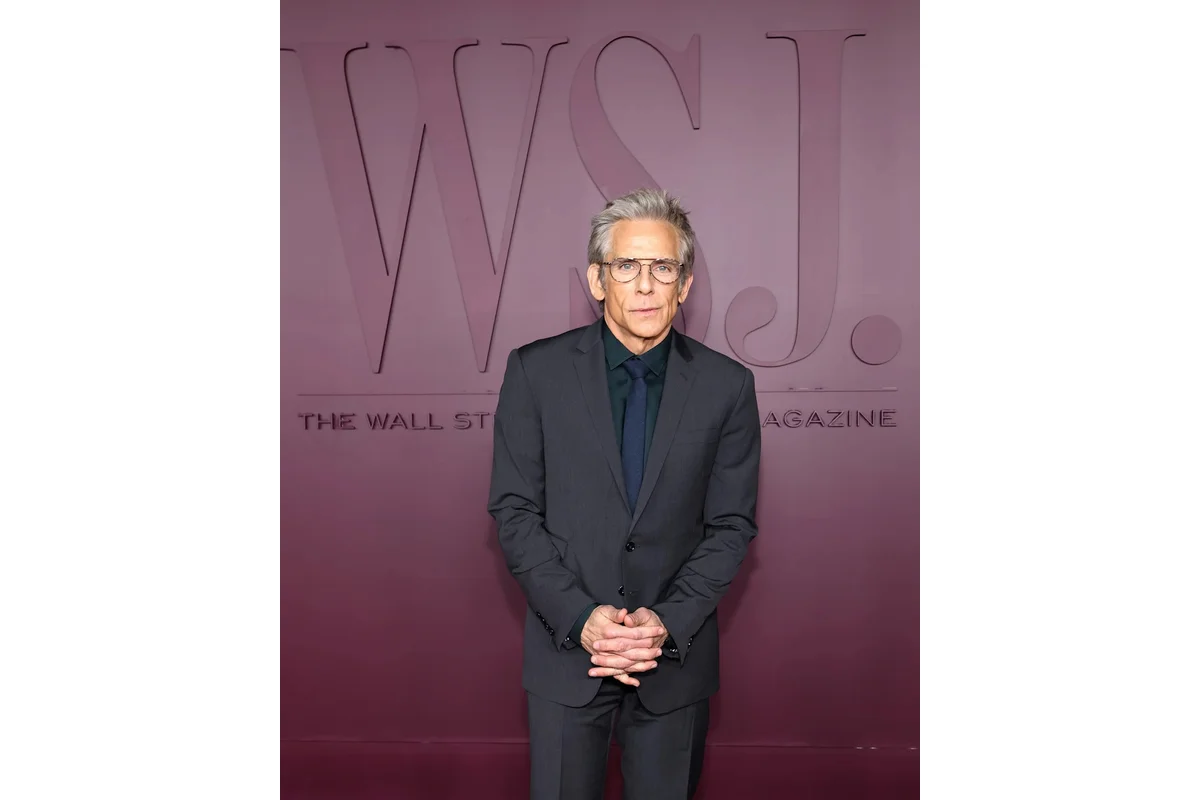
Ben Stiller publicly condemned the White House’s use of his film in the video, stating,
“Hey White House, please remove the Tropic Thunder clip. We never gave you permission and have no interest in being a part of your propaganda machine. War is not a movie.”
This message underlined his refusal to associate his work with the political narrative conveyed in the pro-war footage.
While Stiller acknowledged that Tropic Thunder has been controversial—particularly due to Robert Downey Jr.’s blackface portrayal—he expressed pride in the film, explaining why he opposed its affiliation with the administration’s messaging, which many view as trivializing the current international crisis.
Wider Criticism of the White House’s Use of Media Without Authorization
This episode is part of a broader pattern of the White House appropriating creative works without consent. Past examples include musician Jess Glynne protesting the use of her song in videos that framed the deportation of immigrants in the United States, and the unauthorized use of the Pokémon theme song in a similar context. These actions have provoked significant public and artistic backlash.
Aside from Stiller, several commentators voiced strong disappointment with the White House’s approach. Journalist Séamus Malekafzali remarked,
“I don’t think a more embarrassing and humiliating thing has ever been produced before by any government in human history. I somehow might be underselling it.”
Likewise, ABC’s Nick Bryant questioned the administration’s tone, posting,
“Are there any grown ups in the White House? Is there any understanding of the seriousness and horror of war? This is frat house not White House.”
The satirical social media account Evan Loves Worf added its disapproval, calling the video:
“This is the most ‘everyone is 12’ s**t I’ve ever seen.”
The Military Situation: Why Are the US and Israel Launching Strikes on Iran?
The controversy coincides with escalating military tensions in the Middle East. On February 28, US President Donald Trump announced that the United States and Israel had initiated “major combat operations” in Iran. This declaration followed reports of explosions in several Iranian cities amid a buildup of American forces in the region.
Trump’s administration aims to dismantle Iran’s missile capabilities and prevent the country from acquiring nuclear weapons. The president stated in a video that they intend to
“destroy their missiles and raze their missile industry to the ground.”
These strikes followed weeks of warnings and demands that Iran abandon its nuclear program, which Tehran insists is only for peaceful purposes.
The attacks resulted in significant civilian casualties, including at least 165 deaths, many of whom were children, due to a reported strike on a school in Minab. Furthermore, Iran’s Supreme Leader, Ayatollah Ali Khamenei, was confirmed dead following targeted Israeli missile attacks near Tehran.
Regions and Populations Impacted by the Conflict
In retaliation, Iran launched missile and drone strikes targeting Israel and Gulf Arab nations such as Qatar, the United Arab Emirates, Bahrain, and Kuwait. Reports indicate at least nine fatalities in the Israeli city of Beit Shemesh as a result of Iranian missile attacks.
Military and civilian areas, including an American naval base in Bahrain and Dubai’s international airport, also suffered damages during the weekend’s hostilities. Social media has circulated videos captured by tourists and locals that show the aftermath of these attacks, highlighting the peril faced by many, including numerous British citizens stranded in Dubai.
The conflict expanded further when Hezbollah, the Lebanese militia backed by Iran, launched missiles at Haifa, an Israeli city. In response, Israel intensified its bombardment in Lebanon. Israel’s Defense Minister, Israel Katz, pledged on March 3 that the IDF would
“advance and seize additional strategic areas in Lebanon in order to prevent fire on Israeli border communities.”
Britain’s Role and Position Amid the Escalating Crisis
Amid concerns about the UK’s involvement, stemming from its alliances with the US and Israel, Prime Minister Keir Starmer confirmed British military presence in the Middle East. He characterized this as a “defensive operation” to safeguard British interests and allies, condemning Iran’s retaliatory actions.
Starmer agreed to US requests allowing strikes against Iran from UK military bases on March 1, but British forces did not participate directly in the attacks. In a joint statement alongside French and German leaders, he called on Iran to cease indiscriminate attacks.
Starmer urged the Iranian government to end hostilities, explaining,
“They should refrain from further strikes, give up their weapons programme and cease the appalling violence and oppression of the Iranian people – who deserve the right to determine their own future.”
The UK’s Secretary of State for Foreign and Commonwealth Affairs, Yvette Cooper, rejected claims that Britain is being dragged into an Iraq-style conflict. Addressing a drone strike on a RAF base in Cyprus, allegedly from Iran-backed Hezbollah, Cooper emphasized the UK’s preference for diplomatic resolution, stating,
“We took a very specific decision not to provide support for strikes that were taking place over this weekend. We have been clear that we believe there should be a diplomatic process, negotiations process.”
Meanwhile, former President Trump criticized Starmer’s handling of the situation, remarking on March 2,
“It’s very sad to see that the relationship is obviously not what it was.”
Implications of the Ben Stiller White House Controversy Amid Rising Global Tensions
The unauthorized use of Tropic Thunder in the White House video reflects deeper tensions over political messaging during periods of international conflict, illustrating how cultural content can become entangled in government narratives. Ben Stiller’s sharp rebuke signals growing artistic resistance to the manipulation of entertainment media as propaganda tools.
The incident also sheds light on public dissatisfaction with how the current administration has portrayed the prospect of war, sometimes accused of downplaying the severity and consequences involved. Commentators across media platforms have expressed concern over the tone and framing of official communications, which can influence public perception amid an already volatile geopolitical climate.
As military actions continue in Iran and surrounding regions, the dispute over media use and the broader debate about war underscore the urgent need for transparency and accountability in government messaging, ensuring that serious global events are not trivialized in the digital age.
