
Ben Stiller has called on the White House to take down a clip from his 2008 satirical comedy Tropic Thunder that was posted on an official government social media account without his permission. The actor and filmmaker voiced his objection on X on March 6, 2026, after footage from the film appeared in a montage shared by the Trump administration.
Ben Stiller Condemns Unauthorized Use of Film in Government Post
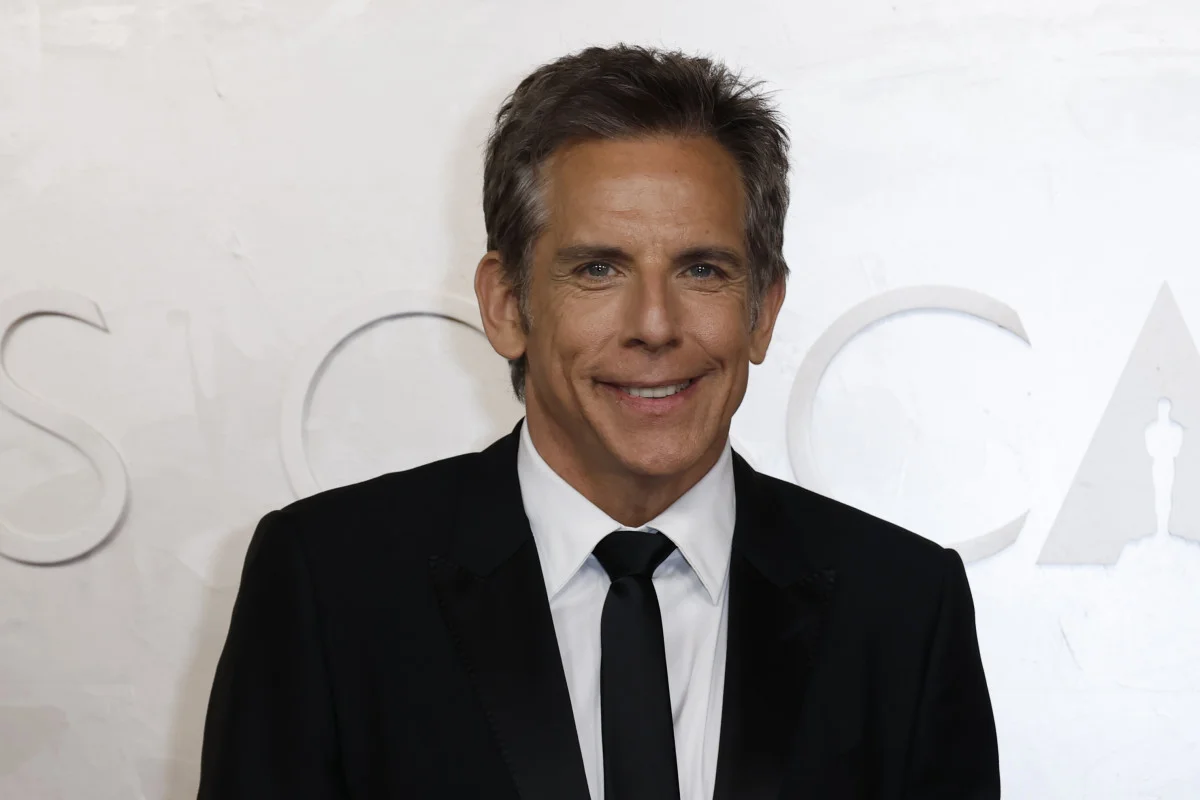
Stiller directly addressed the White House on X, demanding the removal of the Tropic Thunder segment and stating he had never granted permission for the clip’s use, emphasizing his disapproval of its association with government messaging. The montage, uploaded by the White House on Thursday, combined scenes from various Hollywood movies and television shows with real footage of recent US military strikes against Iranian targets.
The 42-second video, captioned “JUSTICE THE AMERICAN WAY” alongside an American flag and fire emojis, included clips from major productions such as Braveheart, Top Gun: Maverick, Iron Man 2, Gladiator, Transformers, Superman, John Wick, Better Call Saul, and Breaking Bad. These were intermixed with actual military footage to create a dramatic effect. The video concluded with the well-known “Flawless victory” line from Mortal Kombat and concluded with a title card reading
“The White House: President Donald J. Trump.”
“Hey White House, please remove the Tropic Thunder clip. We never gave you permission and have no interest in being a part of your propaganda machine. War is not a movie.”
— Ben Stiller, actor and filmmaker
The Controversial Clip and Its Context Within the Montage
The specific footage taken from Tropic Thunder showed Tom Cruise dancing in character as Les Grossman, the fictional Hollywood studio executive featured in the film. This scene is from a post-credits dance sequence that stands out for its comedic absurdity, contrasting starkly with the serious images of military action embedded elsewhere in the montage.
Secretary of War Pete Hegseth also appeared in the video, further sealing the link between the entertainment content and real-world military operations. The juxtaposition of staged film moments with actual war footage underscored the tense atmosphere surrounding the US and Israel’s recent strikes on Iranian targets.
Public Reaction and Stiller’s Responses to Critics
Following Stiller’s demand for the clip’s removal, some users on X defended the administration’s use of the footage, with one writing:
“Loved Tropic Thunder, however your getting up set over 1 second of footage from the Len Grossman dance scene post credits nor is propaganda. We know war is not a movie but yet we keep making movies about war.”
— X user
Stiller responded to this comment simply by explaining the usual intent behind the film: “Usually to protest war.” In another interaction, when a user described Tropic Thunder as a “terrible movie,” he replied calmly,
“You are entitled to your opinion.”
Background on Tropic Thunder and Stiller’s Role
Released in 2008, Tropic Thunder was a commercial hit that satirized Hollywood’s approach to war films by following a group of actors who mistakenly end up in real combat while filming. Stiller not only starred but also directed and co-wrote the screenplay. He shared the lead roles with Jack Black and Robert Downey Jr., whose performance earned him an Academy Award nomination for Best Supporting Actor.
The film’s pointed critique of war and the movie industry adds depth to Stiller’s objection over its use in government propaganda. The actor’s vocal criticism of President Trump has been well documented, situating this incident within a broader context of political discontent.
White House’s History of Unauthorized Use of Entertainment Content
This is not the first time the Trump administration has faced backlash over using entertainment media without consent. Last October, songwriter Kenny Loggins publicly objected to his song “Danger Zone” being featured in a White House video depicting Trump flying over protesters and dropping excrement on them.
“This is an unauthorized use of my performance of ‘Danger Zone.’ Nobody asked me for my permission, which I would have denied, and I request that my recording on this video is removed immediately.”
— Kenny Loggins, musician
The White House has a record of including music from pop stars in its social media videos as well. For example, Sabrina Carpenter’s track “Juno” was used in a post highlighting ICE raids last year, and Taylor Swift’s “The Fate of Ophelia” appeared in a November montage celebrating Trump, despite the president’s frequent public criticism of the singer. Swift did not publicly respond to the video.
The Broader Implications of Using Entertainment in Political Messaging
Stiller’s demand for the removal of Tropic Thunder footage highlights ongoing tensions around the unauthorized use of artistic works in political contexts, raising questions about consent and the ethics of blending entertainment with real-world military actions. This incident underscores the challenges creators face when their work is repurposed to support messages they may fundamentally oppose.
The White House montage’s dramatic mixing of fiction and reality risks trivializing the serious nature of war, prompting artists and the public alike to scrutinize how government communications shape narratives around conflict. As Stiller and others continue to voice their objections, the administration may face increased pressure to secure permission before using copyrighted content in official messaging.
Hey White House, please remove the Tropic Thunder clip. We never gave you permission and have no interest in being a part of your propaganda machine. War is not a movie. https://t.co/dMQqRxxVCa
— Ben Stiller (@BenStiller) March 6, 2026
