
Ben Stiller publicly condemned the White House for incorporating a clip from his satirical film Tropic Thunder in a recent video promoting the war with Iran. The video was released shortly after the United States and Israel launched coordinated strikes against Iranian targets, using the controversial footage without the actor’s authorization.
Details of the Controversial Montage and Stiller’s Response
The video included scenes from various popular films and TV shows such as Braveheart, Breaking Bad, Top Gun, Superman, Transformers, Iron Man 2, and Star Wars, alongside what appeared to be real U.S. military operations. The montage was captioned “Justice the American way.” Stiller, who not only acted in but also wrote and directed Tropic Thunder, immediately expressed his objection on social media.
On the platform X, Stiller demanded the removal of the Tropic Thunder segment, stating,
“Hey White House, please remove the Tropic Thunder clip,”
he wrote. He further added,
“We never gave you permission and have no interest in being a part of your propaganda machine. War is not a movie.”
Stiller’s Political Engagement and Broader Celebrity Concerns
Ben Stiller has been outspoken regarding his political views, particularly as a critic of former President Trump. He participated in campaign advertisements for former Vice President Kamala Harris’s 2024 presidential bid and contributed financially to her campaign. His protest against the White House’s unauthorized usage aligns with a broader trend of celebrities pushing back against what they consider misuse of their creative work.
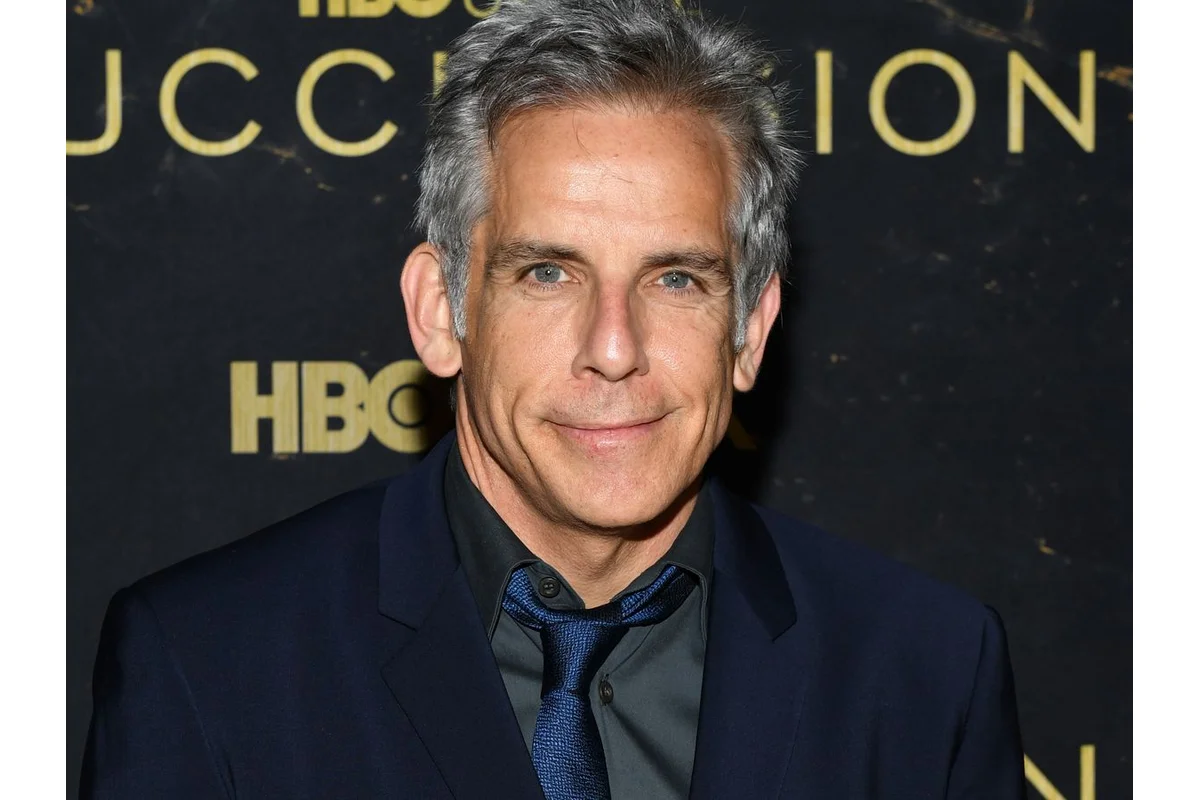
Several other artists, including Celine Dion, Bruce Springsteen, Olivia Rodrigo, Sabrina Carpenter, Neil Young, and Radiohead, have publicly objected to the White House using their music or images without consent. This issue highlights ongoing tension between government messaging and artists’ rights.
Recent Similar Celebrity Objections to Government Use of Art
Earlier in the week, singer Kesha also spoke out against the White House’s use of her song “Blow” in a video showing a fighter jet firing a missile at a naval ship, accompanied by explosions. She criticized the use of her music in this context with the blunt statement,
“Trying to make light of war is disgusting and inhumane,”
expressing her disapproval of how serious conflicts are being depicted.
The Significance of These Protests and What May Lie Ahead
The backlash from Ben Stiller and other high-profile entertainers highlights the deep unease with how war-related imagery and messaging are being framed by government sources. Unauthorized use of popular culture and entertainment in political or military contexts raises serious questions about consent and the ethical boundaries of propaganda. This ongoing dispute could lead to increased scrutiny over how public figures’ works are employed in national messaging and may prompt legal or policy discussions on intellectual property rights in such settings.
As tensions between the U.S. and Iran continue, the controversy around government media use might further intensify, with more celebrities likely to challenge unauthorized representations tied to violent conflict.
JUSTICE THE AMERICAN WAY. 🇺🇸🔥 pic.twitter.com/0502N6a3rL
— The White House (@WhiteHouse) March 6, 2026
Hey White House, please remove the Tropic Thunder clip. We never gave you permission and have no interest in being a part of your propaganda machine. War is not a movie. https://t.co/dMQqRxxVCa
— Ben Stiller (@BenStiller) March 6, 2026
