
Superman remains an iconic superhero whose portrayal has always sparked passionate debate among fans. The Man of Steel era, marked by Henry Cavill’s portrayal, was known for its darker and grittier tone, diverging from the hopeful figure traditionally associated with the character. However, James Gunn’s interpretation of Superman brought a defining moment that conclusively closed the chapter on the Man of Steel’s somber storytelling style, signaling a new direction for the character and the DC Universe.
The Transformation from Dark to Hopeful Superman
Man of Steel introduced a Superman that felt distant from the benevolent hero many expected. The film’s narrative painted Superman more as a god-like figure, often indifferent to the suffering of individuals, a stark contrast to the character’s usual role as a symbol of hope. The emphasis on destruction, such as the devastation of Metropolis and Superman’s reluctant but fatal confrontation with General Zod, left audiences unsettled by this cold, conflicted hero.
This grim depiction aligned with the era’s cinematic trend influenced heavily by Christopher Nolan’s Batman trilogy, where darker, morally complex heroes were the norm. Man of Steel reflected this desire for realism and bleakness, focusing on global consequences and the god-complex Clark Kent appeared to wrestle with. The hero’s actions, like his failure to save his father from a tornado, further alienated traditional fans.
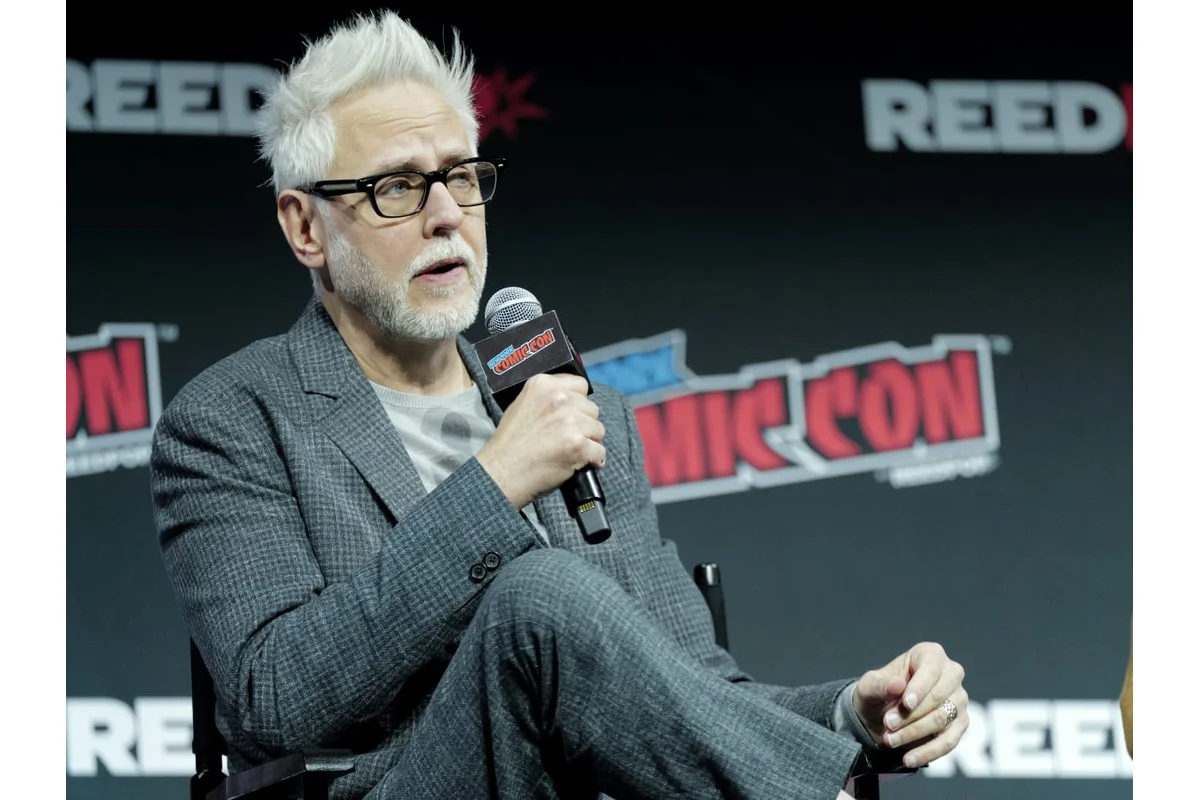
In contrast, James Gunn’s Superman embraced the classic ideals the character has long symbolized. This version of Superman prioritizes saving everyone, no matter how small, with unwavering optimism and compassion. He acts not out of detachment or duty alone but from a deep sense of love for humanity and moral conviction. This shift emphasizes Superman’s role as an emblem of inspiration rather than a conflicted god.
James Gunn’s Defining Superman Quote Reframes the Hero’s Identity
The pivotal moment that exemplifies the transformation of Superman came during an intense confrontation between Clark Kent and Lex Luthor. When Lex derides Clark as an alien, Clark retorts with a powerful declaration that underscores his identity:
…That is being human. And that’s my greatest strength.
This statement is not just a retort but a profound affirmation that Superman’s true power stems from his humanity rather than his alien origins.
This speech serves as a turning point, showing Clark at peace with his dual heritage and committed to the values instilled by the Kents. The quote embodies his empathy, compassion, and capacity for growth—qualities that elevate him beyond mere superhuman abilities. It solidifies that the essence of Superman is his connection to human experience and the hope he brings to Earth, marking a clear departure from the darkness of the previous era.
By embracing this human side, Superman is no longer a distant, living god but a relatable figure whose strength comes from his emotional depth and moral clarity. This moment signals a deliberate end to the Man of Steel’s bleak narrative and opens the door for stories where Superman’s light shines undimmed, resonating deeply with audiences.
How James Gunn’s Superman Redefines the DC Universe’s Future
The introduction of this hopeful Superman comes at a crucial time for DC Studios, which has been seeking a clear path amid years of mixed success. The success of Superman and related titles like Creature Commandos and Peacemaker has laid a strong foundation for DC’s revitalized cinematic universe. Upcoming projects such as Supergirl, Lanterns, and Man of Tomorrow show an ambitious expansion that leverages this fresh, optimistic tone for DC’s heroes.
Superman stands at the forefront of this new era, with David Corenswet’s portrayal garnering considerable admiration and securing an immediate sequel. The hero’s on-screen world is already expanding, including the introduction of Supergirl, which builds on the family theme that has emerged under Gunn’s vision. This cohesive expansion reflects how central Superman’s optimistic characterization has become for the franchise’s momentum.
With a 90% audience score, Superman demonstrates how a positive, brightly colored hero resonates strongly with viewers, contrasting sharply with Man of Steel’s polarized reaction that showed a 52% critical score despite a moderate 75% audience approval. This gap highlights a shift in fan and critic expectations: while darker, complex heroes have their place, Superman thrives when embodying hope and shining as a beacon of good in a troubled world.
The Enduring Importance of Superman’s Humanity in Storytelling
Superman’s final speech to Lex Luthor encapsulates the core message that James Gunn’s film communicates—that humanity is not a weakness but the greatest source of strength. This perspective allows Superman to feel deeply, experience pain, and grow beyond it, making him a more relatable and inspiring figure than the detached warrior of Man of Steel’s era.
By affirming Clark Kent’s humanity as his most potent power, the film positions Superman as a guiding light amid darkness, offering audiences reassurance that goodness still exists. This shift is not merely a narrative device but a response to the emotional needs of viewers seeking heroes who stand for hope, empathy, and resilience.
In doing so, James Gunn’s Superman not only closes the chapter on the franchise’s darker days but sets a lasting standard for how superheroes can inspire in modern cinema, reminding viewers that strength lies in compassion and connection.
Key Players Behind the New Superman Era
David Corenswet’s forward-looking portrayal as Superman effectively anchors this redefined character, balancing the hero’s immense power with genuine warmth and kindness. Alongside him, Rachel Brosnahan’s Lois Lane adds depth to the interpersonal dynamics that humanize Clark Kent’s story, grounding the superhero’s narrative in relatable emotions and relationships.
Together, they contribute to a DC Universe that embraces a more hopeful, interconnected world, shaping the future of superhero storytelling toward light and heroism rather than cynicism and darkness.
