
Kurt Russell is widely recognized for his standout roles in Western films, from John Carpenter’s The Hateful Eight to Bone Tomahawk. Although he currently stars in Taylor Sheridan’s neo-Western series The Madison, many fans consider Tombstone, where he portrayed Wyatt Earp, as one of his finest works within the genre. Despite its status as a classic Western, Russell has expressed regret that Tombstone did not fulfill its full potential due to significant changes made during production.
Tombstone takes inspiration from historical events like the Gunfight at the O.K. Corral and the Earp Vendetta Ride, set in 1880s Arizona. The narrative follows Wyatt Earp, played by Russell, who arrives in the town of Tombstone with his brothers Morgan (Bill Paxton) and Virgil (Sam Elliott) to settle down and enjoy earnings from their gambling and saloon enterprises. Their hopes are quickly dashed as the violent Cowboy gang terrorizes the community, forcing Wyatt to resume his role as a lawman to confront the threat.
Complications During Production Changed Tombstone’s Direction
Initially, Kevin Jarre, the film’s writer, was also attached to direct, but due to falling behind schedule, George P. Cosmatos replaced him early in filming. This directorial switch led to the loss of much of the original crew and a major overhaul of Jarre’s script. Kurt Russell stepped into multiple roles during this difficult transition, acting simultaneously as star, informal director, producer, and motivator to push the project forward. He recut the screenplay, reducing its length and shifting emphasis towards the dynamic between Wyatt Earp and Doc Holliday, portrayed by Val Kilmer.
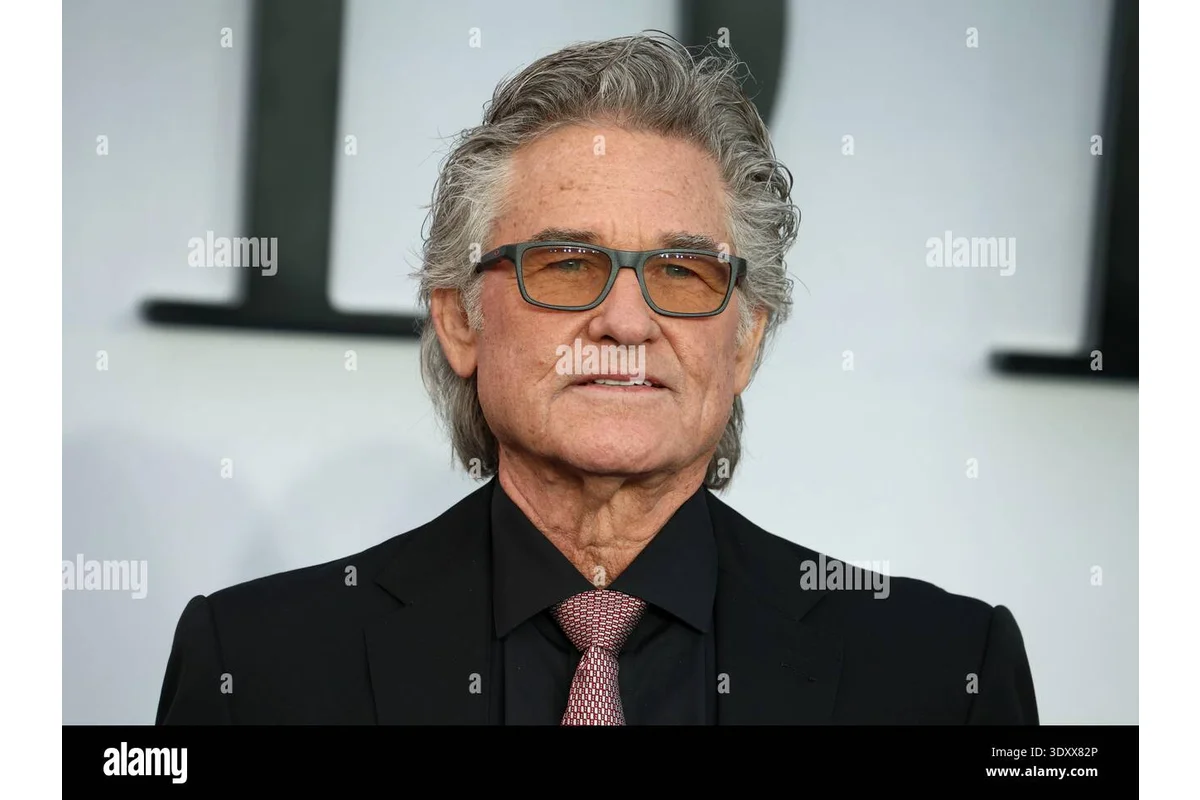
Russell later acknowledged that these changes compromised the film’s original scope, resulting in a final product that fell short of Jarre’s original vision. This adjustment, according to Russell, was necessary to complete the movie, but he has since wrestled with the limitations it imposed on the story’s depth and character development.
Russell’s Views on Tombstone’s Undeniable Legacy and Missed Brilliance
Kurt Russell’s legacy in Westerns dates back to guest roles on the classic TV series Gunsmoke in the 1960s and 70s, eventually cementing him as a celebrated star of the genre. However, following his hands-on efforts to reshape Tombstone, it would be understandable if he grew disillusioned with the genre. His co-star Sam Elliott recalled that the original screenplay was
“one of the best I’ve ever read,”
but after Russell’s cuts, the script lost critical “connective tissue” and significant character elements.
Russell explained his rationale to Entertainment Weekly, saying,
“I don’t know if Kevin would have been able to realize the film he had in his mind. We might still be shooting his movie. I helped him by making sure we got the movie made. And I feel good about it. We busted our a**.”
Despite this pragmatic stance at the time, Russell has voiced continued dissatisfaction more than three decades later.
In a 2026 interview with The Hollywood Reporter, the actor declared he would never make peace with how Tombstone turned out, stating:
“It could have been way better. It’s considered one of the great Westerns, right? It could have been considered one of the great movies. The impact of ‘Tombstone’ is very strong, and that’s nice. That’s great. But could it have been a lot better? Yes.”
— Kurt Russell, Actor
Behind the Scenes: What the Original Tombstone Could Have Been
Kurt Russell’s regret stretches back years; in 2006, he described the released film as just what audiences saw, contrasting it against the original vision:
“The movie, what you saw, okay, is that movie. The [original version of the] movie is ‘The Godfather’ — a Western ‘Godfather.’ That’s how different that movie is from the one you saw.”
This analogy emphasizes the depth and complexity Jarre intended, likening it to the iconic gangster epic by Francis Ford Coppola.
Stephen Lang, who portrayed Ike Clanton in Tombstone, also echoed this view, telling Den of Geek that Jarre’s original concept was
essentially ‘The Godfather’ in 1880 Arizona,
underscoring its ambitious scope and quality.
Prospects of Revisiting Tombstone’s Original Version
While Russell has lamented the changes made, he has also embraced the enduring popularity of Tombstone, noting its status as one of the most quotable Westerns. He revealed to True West Magazine that he possesses the original footage shot by Jarre, much of which was reshot under George P. Cosmatos. Russell confirmed he has the material needed to reconstruct the film closer to its original form but gave a simple reason for not pursuing it: “’Cause I got a life.”
Currently engaged in various projects, including Taylor Sheridan’s The Madison and Apple TV’s Monarch: Legacy of Monsters, Russell remains busy. Although there is a theoretical possibility that the original version of Tombstone might be restored or released someday, it seems unlikely in the near future. Regardless, the film’s influence within the Western genre remains significant, continuing to captivate audiences more than thirty years after its debut.
