
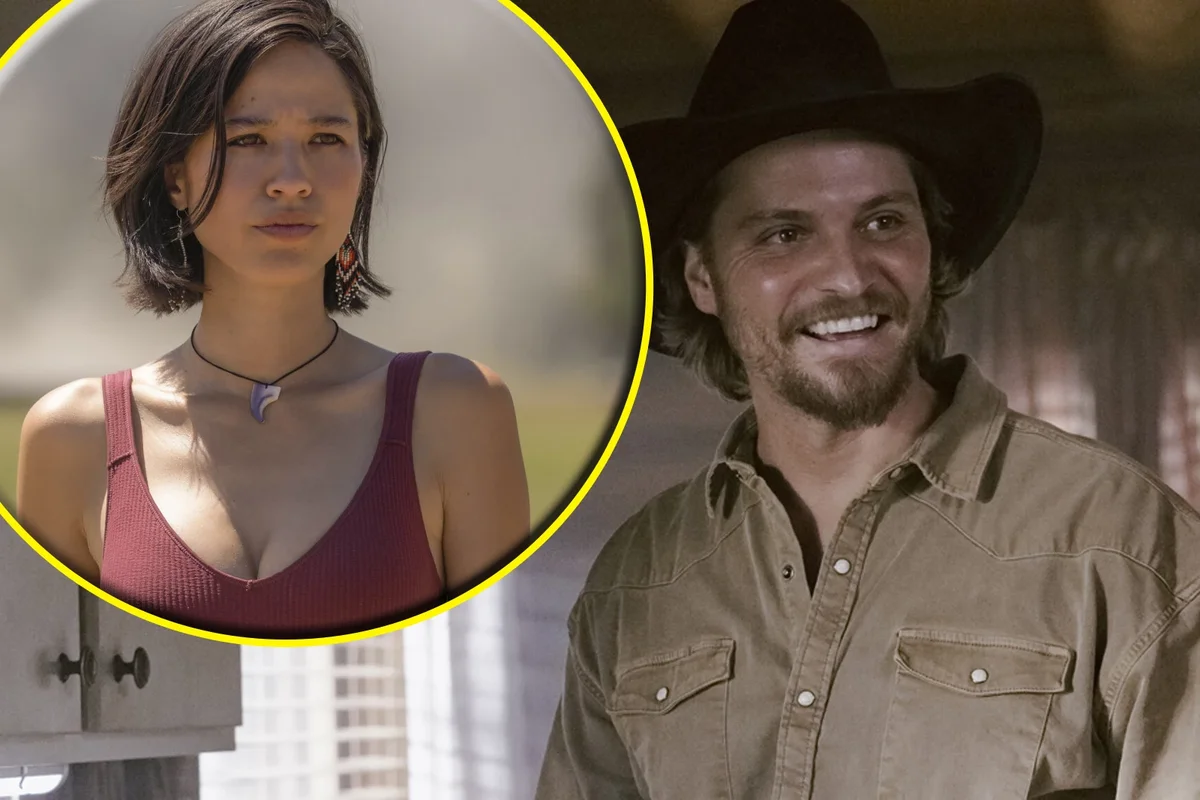
Marshals, the latest Yellowstone spinoff created by Taylor Sheridan, aired its first episode, “Piya Wiconi,” on CBS on March 1, 2026, introducing a significant departure from the established Taylor Sheridan Yellowstone Tradition. The series reveals the death of Monica Long-Dutton, a key character, but notably avoids showing her death on screen, presenting it instead through dialogue, a shift that unsettles longtime fans of the franchise.
Monica Long-Dutton’s Passing Diverges from Yellowstone’s Usual Narrative Style
Monica Long-Dutton’s death marks a troubling moment in the Yellowstone universe, as it falls into the controversial pattern of “fridging,” where female characters are harmed or killed off primarily to motivate male protagonists. Unlike prior installments of the Yellowstone franchise, which depict key deaths with on-screen intensity and emotional depth, Marshals restricts Monica’s passing to off-screen mentions. This decision diminishes the impact of a tragic event for a character central to the narrative.
Taylor Sheridan’s original Yellowstone series earned praise for its unflinching portrayal of death and loss, using these moments to underscore the weight and complexity of the characters’ struggles. For instance, Evelyn Dutton’s fatal accident is shown through a flashback, enriching the emotional backdrop of the story and deepening Beth Dutton’s character development. Similarly, spinoffs such as 1883 and 1923 deliver unforgettable depictions of major characters’ deaths—Elsa Dutton and Alex Dutton, respectively—highlighting the raw and often brutal nature of their journeys.
The flagship series even explored John Dutton’s death in a detailed flashback during Season 5, which reinforced the stakes at the narrative’s climax and revealed the machinations behind his murder. In comparison, Marshals’ avoidance of an on-screen moment showing Monica’s death strips the tragedy of its visceral effect and creates a disconnect from the established storytelling style rooted in powerful visual and emotional experiences.
How Marshals Unfolds Monica’s Fate Through Conversations and Context
Rather than portraying Monica Long-Dutton’s illness and death through visuals, Marshals introduces this grave development through narrative hints and dialogue. In the opening episode, Kayce Dutton experiences a disturbing nightmare and is suddenly thrown off his feet by an explosion, signaling turmoil within the storyline and hinting at Monica’s critical condition.
Later scenes emphasize Monica’s absence as her son, Tate, prepares for the day without his mother. Kayce’s remarks subtly acknowledge her loss without direct confirmation. The clearer acknowledgment arises during a mine rally at the Broken Rock Tribe, where Tate holds a photo of Monica. Miles “Dust Cloud” Kittle, a new character and Kayce’s teammate, explains that the photos honor residents of the reservation who died from cancer, implying Monica’s death was due to toxic exposure.
Kayce’s interactions with Chairman Thomas Rainwater and Mo Brings Plenty further illuminate Monica’s passing. Thomas highlights that Kayce has not returned to the reservation since Monica’s burial, while Kayce reveals that Monica chose a burial spot at East Camp and urged him to visit it. The episode concludes with Kayce kneeling by Monica’s grave, expressing his grief and desire to find a new path for himself and their son, Tate. Despite this heartfelt moment, the sequence lacks the emotional gravity typically achieved in Yellowstone’s treatment of pivotal deaths.
Monica’s Death Challenges Expectations Set by Taylor Sheridan’s Franchise
The hallmark of the Yellowstone saga includes raw, on-screen portrayals of death and the ripple effects they have on the Dutton family and their allies. The deaths of characters like Evelyn, John, Elsa, Alex, Lee, and Jamie Dutton have been central to the narrative fabric, each unfolding in ways that emotionally engage viewers and deepen the stakes. Monica’s off-screen passing in Marshals stands out as an exception, one that fractures audience expectations established by the franchise’s earlier entries.
Previously, the exception to on-screen deaths has been self-inflicted cases, as seen with Monica’s sister-in-law in Yellowstone Season 1 and Emma Dutton in 1923 Season 1. Yet, Monica’s departure could have been more impactful if incorporated with more presence onto the screen, especially given her importance within Marshals and the wider Yellowstone universe. Her on-camera death would have elevated the emotional resonance of the series’ beginning and better aligned with Sheridan’s narrative style, which relies heavily on depicting tragedy firsthand.
Had Marshals concluded its first season with Monica’s death portrayed explicitly, it would have followed the blueprint set by Yellowstone and its spinoffs, where dramatic and personal losses define the tone and drive character development. The omission of such a pivotal moment has contributed to a sense of disconnection, which likely influences the series’ more tepid reception, as reflected by its disappointing Rotten Tomatoes score. Despite Kelsey Asbille’s absence from the new show, integrating Monica’s story more thoroughly might have strengthened Marshals’ emotional core significantly.
Marshals Cast and Central Characters
Marshals stars Luke Grimes reprising his role as Kayce Dutton, leading the narrative alongside a supporting ensemble that includes Logan Marshall-Green as Pete Calvin, Arielle Kebbel as Belle Skinner, Ash Santos as Andrea Cruz, and Brecken Merril portraying Tate, Kayce and Monica’s son. New additions, such as Tatanka Means’ Miles “Dust Cloud” Kittle, help to deepen the dynamic within the Broken Rock Reservation setting, contributing new perspectives amid ongoing tensions. These characters carry the storyline forward amid the tragedy and political intrigue that defines the series’ atmosphere.
