
Rosanna Arquette, known for her role in Pulp Fiction as the wife of Lance, voiced strong objections to Quentin Tarantino‘s use of the N-word across his filmography. Speaking in a recent interview with a U.K. publication, Arquette expressed frustration with the recurrent presence of the racial slur in Tarantino’s movies, highlighting discomfort despite her appreciation for the films themselves.
Arquette’s Statements on the Controversial Language
While acknowledging Pulp Fiction’s status as a highly regarded film on multiple levels, Arquette made it clear she personally despises the continued use of the N-word. She declared,
“I cannot stand that he has been given a hall pass,”
further labeling the repeated usage as
“not art, it’s just racist and creepy.”
Her remarks underline a growing discomfort among some actors regarding the filmmaker’s choice of language.
Other Prominent Voices Condemn Tarantino’s Word Use
Arquette is not alone in her criticism. Filmmaker Spike Lee also condemned Tarantino for the frequent use of the slur, notably in the 1997 film Jackie Brown. Speaking to Variety, Lee said,
“I’m not against the word… And I use it, but not excessively. And some people speak that way. But Quentin is infatuated with that word. What does he want to be made — an honorary Black man?”
He added,
“I want Quentin to know that all African Americans do not think that word is trendy or slick.”
Similarly, Lee Daniels, director of The Butler, voiced strong objections in a 2022 CNN interview, reflecting a shift in perspective over the years.
“Ten years ago, 15 years ago … I would’ve checked it off as artistic,”
Daniels stated. However, he emphasized,
“’n—–‘ is our word. That’s my word. And you have no right to say that.”
Tarantino’s Defense of His Film Language Choices
Quentin Tarantino himself has stood by his decision to include the slur frequently in his Oscar-winning script for Django Unchained and other projects. After receiving criticism at the Academy Awards, he defended his approach in the press room, challenging detractors to prove his usage exceeded historical reality.
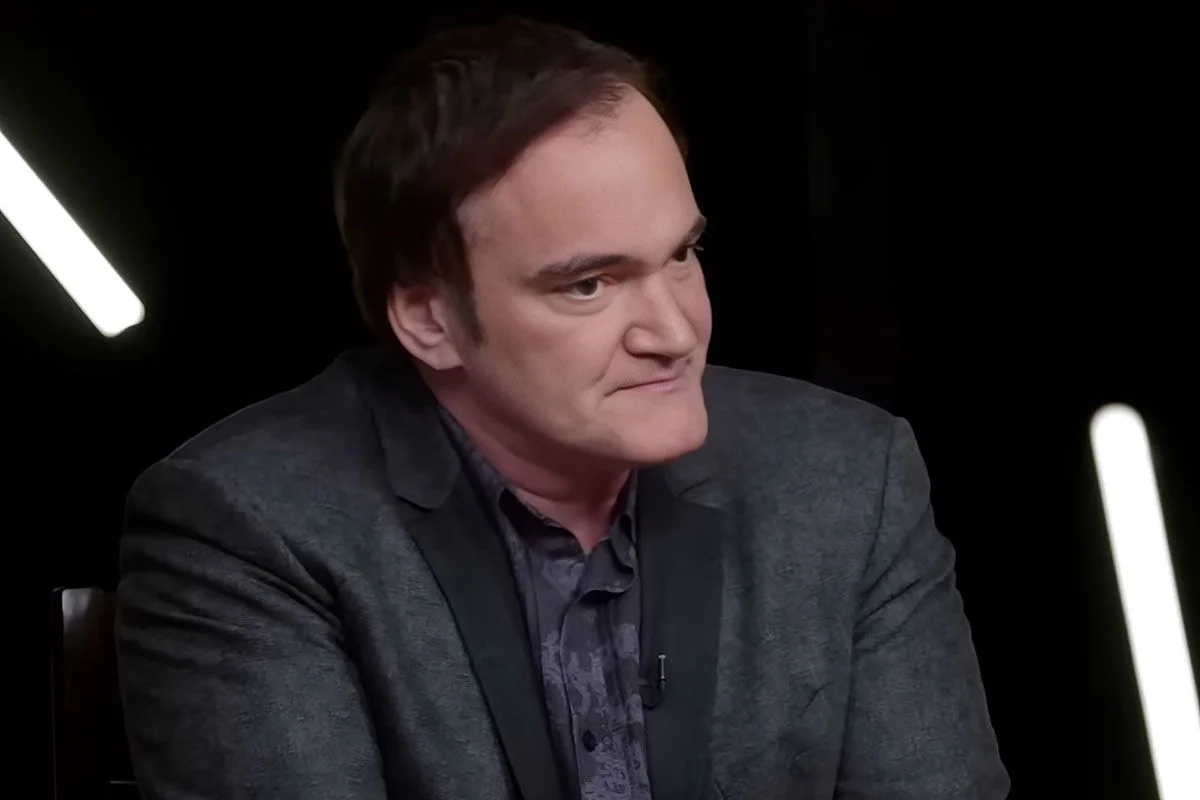
“If somebody is out there actually saying when it comes to the word n—–, the fact that I was using it in the movie more than it was being used in the antebellum South in Mississippi, then feel free to make that case,”
Tarantino asserted. He dismissed accusations of whitewashing, stating,
“I never do that when it comes to my characters.”
Support for Tarantino’s Writing from Samuel L. Jackson
Actor Samuel L. Jackson, who has appeared in multiple Tarantino films including Pulp Fiction and Django Unchained, defended the writer-director’s use of authentic dialogue. In a 2019 Esquire interview, Jackson remarked,
“You can’t just tell a writer he can’t talk, write the words, put the words in the mouths of the people from their ethnicities, the way that they use their words.”
He insisted,
“You cannot do that, because then it becomes an untruth; it’s not honest. It’s just not honest.”
Jackson even joked about intensifying the presence of the slur, saying,
“And I generally add like at least five ‘n—–‘s to what Quentin has already written.”
Implications of the Tarantino N-word Controversy
The ongoing debate around Tarantino’s use of the N-word highlights broader tensions about representation, language, and artistic license in film. While some actors and filmmakers express discomfort or condemnation, others defend the authenticity of dialogue as part of storytelling. As discussions around race and language continue to evolve, Tarantino’s films remain at the center of a cultural conversation that challenges both creators and audiences to reflect on context, respect, and the impact of words in art.
