
Christopher Nolan’s upcoming film adaptation of Homer’s epic poem, The Odyssey, is poised to blend mythology and cinematic spectacle, focusing heavily on the Christopher Nolan Odyssey monsters. Set to captivate audiences with its ambitious scale and intricate storytelling, the movie will highlight key moments from the ancient tale, including a crucial encounter with fearsome creatures that cannot be overlooked.
Essential Monster Moments in Nolan’s Adaptation of The Odyssey
Adapting Homer’s The Odyssey, a nearly 600-page epic, into a film poses a significant challenge, especially given the poem’s vast scope. Nolan’s project is expected to run over three hours, yet even at that length, some episodes will inevitably be omitted. Among the many legendary scenes, certain powerful monster encounters stand out as indispensable for delivering the full emotional and narrative impact of the story.
The film’s preview suggests that iconic elements such as Polyphemus’s cave, the eerie undead army, the consequences of Helios’s cattle, and the famous Trojan Horse will feature prominently. Fans will also likely see the sirens—a concise but dramatically intense passage from the poem—given their popularity and visual appeal. Despite this, other parts of the journey, like the Lotus Eaters or the Laestrygonians, might be excluded or barely touched due to time constraints.
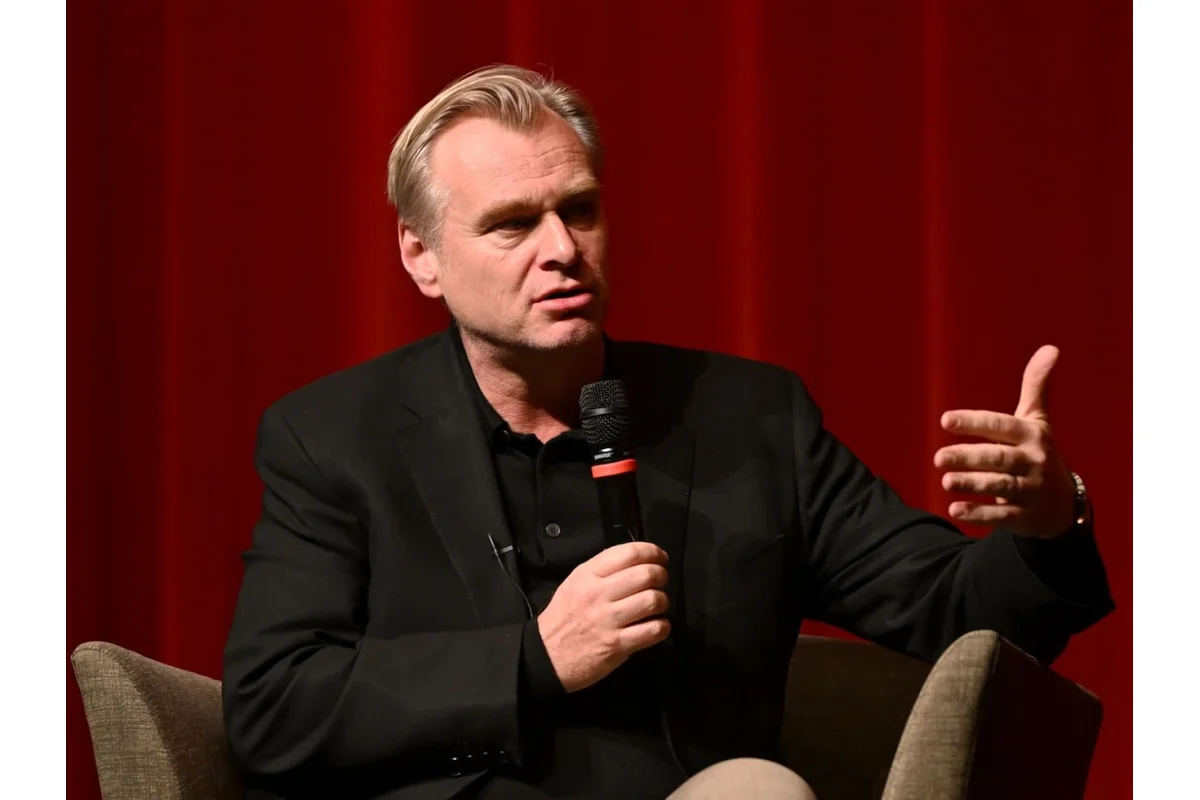
However, one particularly underrated yet essential element is the ordeal with Scylla and Charybdis. These twin monsters, located on opposite sides of a narrow strait, represent one of the most harrowing challenges Odysseus faces. Their inclusion is necessary to preserve the tension and stakes of Odysseus’s voyage and to reflect the poem’s authentic struggles.
The Overlooked Danger: Scylla and Charybdis in Homer’s Tale
Scylla and Charybdis offer a unique kind of peril that combines terror and inevitability. Scylla is a six-headed monster with twelve legs, lurking in a cave atop a towering rock, snatching sailors with each vicious head. Opposite her, Charybdis is often described as a living whirlpool, sucking and spewing water in a terrifying cycle that threatens to swallow entire ships.
While Scylla tends to receive more attention in adaptations, Charybdis is just as critical to the narrative. Odysseus’s fateful choice to confront Scylla rather than risk Charybdis’s deadly whirlpool anchors this episode’s dramatic tension. The crew’s distraction by Charybdis’s terrifying presence prevents them from countering Scylla’s attacks, leading to the tragic loss of six of Odysseus’s strongest men. The whirlpool nearly claims Odysseus himself during a storm sent by Zeus, underscoring its deadly threat.
Excluding Charybdis would diminish the story’s stakes and distort Odysseus’s moral and strategic dilemma. Hence, for Nolan’s film to stay true to the source, he must present both monsters as equally menacing forces.
Visual Expectations: Making Scylla and Charybdis Spectacular on Screen
One simple approach would be to reinterpret the encounter as a natural storm between rocks and currents, avoiding monstrous representations altogether. Yet, this would undermine the mythic character of the story, weakening its connection to the gods and supernatural forces that shape Odysseus’s journey. Nolan, known for boldly tackling ambitious fantasy elements, appears unlikely to take this route.
The film’s production has already demonstrated a commitment to realism and scale, as evidenced by creating a full-scale animatronic of Polyphemus. The same dedication should apply to Scylla and Charybdis, ensuring they are rendered as imposing and terrifying creatures rather than abstract natural threats. Scylla, often simplified as a hydra-like beast in popular culture, deserves a distinctive and more horrifying portrayal that captures her multiple heads and merciless attacks.
Charybdis presents an opportunity to innovate beyond the usual whirlpool effect. Homer’s description in Emily Wilson’s translation paints a vivid picture of a monstrous gulf that churns
“like a boiling cauldron on a huge fire,”
spewing froth over the rocks and roaring thunderously as it swallows and vomits the sea. This depiction suggests a living, sentient entity of immense destructive power rather than just a swirling eddy.
On one side, Scylla; on the other, shining
Charybdis with a dreadful gurgling noise
sucked down the water. When she spewed it out,
she seethed, all churning likea boiling cauldron
on a huge fire. The froth flew high, to spatter
the topmost rocks on either side. But when
she swallowed back the sea, she seemed all stirred
from inside, and the rock around was roaring
dreadfully, and the dark-blue sand below was visible.
Bringing this terrifying image to life could create one of Christopher Nolan’s most visually arresting sequences, setting it apart from typical monster scenes and deeply immersing viewers in the perilous nature of Odysseus’s voyage.
The High Stakes of Odysseus’s Moral Dilemma at Sea
Beyond the spectacle, the emotional gravity of Odysseus’s decision during the encounter with Scylla and Charybdis must be carefully portrayed. He is aware, thanks to Circe’s warnings, that passing through the strait guarantees losing six men to Scylla or risking the entire ship being swallowed by Charybdis if timed wrongly. Circe tells him,
She is not moral. She is deathless evil, terrible, wild and cruel. You cannot fight her.
This stresses the monstrous inevitability Odysseus faces.
Odysseus chooses to conceal this deadly ordeal from his crew, fearing their panic or disobedience. While he does warn them about the sirens, the secrecy surrounding the sea monsters marks a critical leadership failure with lasting consequences. His decision to inform only himself about the Scylla-Charybdis danger haunts the voyage as much as the monsters themselves.
The loss of six men profoundly impacts Odysseus, who calls it
the most heartrending sight I saw in all the time I suffered on the sea.
Portraying this emotional turmoil is essential; it humanizes Odysseus and fuels the tension between him and his men, who increasingly doubt his judgment afterward. This breakdown of trust sets the stage for later tragedies, notably when the crew disobeys warnings about Helios’s sacred cattle.
Odysseus’s vague caution about the cattle—and refusal to disclose the lethal consequences of killing them—compounds the tragic thread of the story. This sequence underlines the complex interplay of fate, leadership, and human fallibility that Christopher Nolan’s film must capture to remain faithful to the epic’s depth.
Central Cast Brings Key Characters to Life
The cast for Nolan’s adaptation features prominent actors who will embody the central figures of this heroic saga. Matt Damon will take on the role of Odysseus, leading the narrative as the flawed but determined hero. Tom Holland plays Telemachus, Odysseus’s son, while Zendaya portrays the goddess Athena, guiding her favored mortal covertly and protecting her interests. Anne Hathaway is cast as Penelope, Odysseus’s loyal wife awaiting his return in Ithaca.
This ensemble, combined with Nolan’s visionary direction, is expected to bring emotional resonance and depth to the complex relationships underpinning the Odyssey’s adventures.
The Enduring Importance of Monsters in Nolan’s Epic Vision
The inclusion and careful depiction of Scylla and Charybdis in Christopher Nolan’s The Odyssey carry crucial narrative and thematic weight. These monsters are not merely obstacles but symbols of unavoidable sacrifice, danger, and the harsh realities Odysseus faces on his long journey home.
By faithfully rendering these creatures and Odysseus’s painful decision, the film can deepen viewers’ understanding of ancient Greek mythology’s darker aspects. It will also enhance the emotional stakes, allowing audiences to grip tightly to the hero’s restless, uneasy struggle against fate and forces beyond his control.
As Nolan continues to build the cinematic world of The Odyssey, his commitment to both scale and substance will determine if this adaptation lives up to the monumental challenge of translating such a sprawling myth to the screen. For fans and newcomers alike, the portrayal of these monstrous scenes will be a pivotal measure of its success.
