
Adam Driver revolutionized the voice acting industry with a simple yet innovative idea—a metal bar installed inside the recording booth to support performers during intense sessions. The concept, now known as the Adam Driver sound booth bar, first came to light during voice actress and actor Dave Franco‘s initial experience on the animated series Hoppers. Upon entering the booth, Franco noticed the metal bar in front of him and questioned its purpose, only to discover its value by the end of the session when he found himself gripping it tightly to maintain energy and focus.
How the Bar Became Industry Standard
Franco explained that the bar was named after Driver, whose need to physically anchor himself while recording for the role of Kylo Ren led to the invention of this piece of studio equipment. This innovation has since been embraced across animation and voice acting studios as a tool that helps performers deliver physically demanding vocal performances. Wyatt Russell, who was present during Franco’s recount, praised Adam Driver’s creativity by calling him “a genius.” This testament underscores how a practical solution designed during a franchise blockbuster voice recording reshaped studio practices.
Adam Driver’s Dedication Beyond Voice Work
Adam Driver’s commitment to his craft extends past the recording booth, demonstrating remarkable physicality on the sets of the Star Wars sequel trilogy. Eunice Huthart, the stunt coordinator for The Rise of Skywalker, shared her amazement at Driver’s insistence on performing all his own stunts. She recalled their discussions about stunt limitations, with Driver firmly stating his desire to handle every stunt himself. Huthart acknowledged,
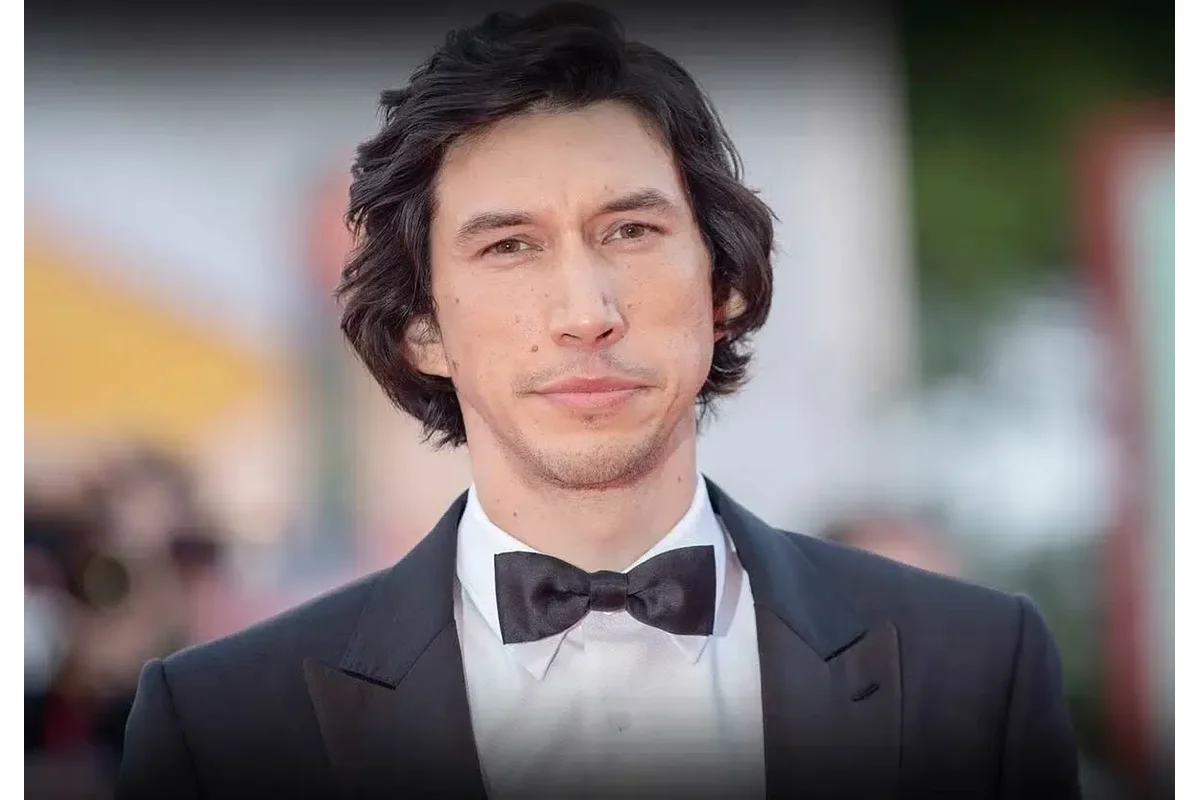
“If it looks good you can do it, if it doesn’t look good, I’ll be putting the stunt guy in. It has to look good. But he did everything.”
Admiration from a Stunt Coordinator
Huthart further praised Driver’s intensity and connection to his characters in an interview with The Resistance Broadcast in 2020. She emphasized his work ethic and dedication, saying:
“If every actor I had worked as hard as Adam in every movie I did, I’d be very very happy. There’s nothing negative I could say about Adam. Yes, he’s very intense. Yes, he’s very character-related. Yes, he protects his character very much. But that’s what you’d want, why wouldn’t you want that? As a stunt coordinator, why wouldn’t you want a guy who’s so attached to his character that they want to give one hundred percent every single second?” – Eunice Huthart, Stunt Coordinator
Her remarks highlight the rare professionalism and intensity Driver brings to every project, qualities that likely contribute to his inventive solutions such as the sound booth bar.
The Unreleased Continuation of Ben Solo’s Story
Despite Driver’s strong connection to the character of Ben Solo, plans for a movie titled The Hunt for Ben Solo were shelved by Disney executives. Although Lucasfilm had approved the script and outlined a tentative filming schedule, corporate decisions ultimately prevented the film’s production. This cancellation left many fans wondering if Driver’s nuanced performance and contributions—including innovations like the sound booth bar—could have taken the Star Wars narrative in a new, compelling direction.
Miguel Fernández’s Perspective on Film and Innovation
Spanish film enthusiast and writer Miguel Fernández, known for his passion for cinema ranging from The Lord of the Rings to works by Scorsese, Fincher, Kubrick, and Hitchcock, often emphasizes the importance of dedication and innovation in filmmaking. Fernández’s broad appreciation for diverse genres and styles aligns with the creative spirit exemplified by Adam Driver’s practical ingenuity in the recording studio. Fernández’s interest in film history showcases how small but impactful innovations can influence cinematic storytelling and production across various fields.
Adam Driver’s Lasting Impact on Voice Acting and Beyond
The introduction of the Adam Driver sound booth bar marks a significant shift in how voice actors manage the physical demands of their work. By inventing a simple support system to enhance comfort and stamina, Driver indirectly contributed to elevating the quality and intensity of animated performances industry-wide. This innovation, coupled with his remarkable physical dedication to stunt work, sets a precedent for actors committed to fully embodying their roles.
As voice acting continues to evolve, the sound booth bar remains a testament to creative problem-solving born from necessity, showing how small ideas can transform artistic disciplines. Future productions will likely continue adopting and adapting Driver’s pioneering approach, enhancing performances and studio efficiency in equal measure.
