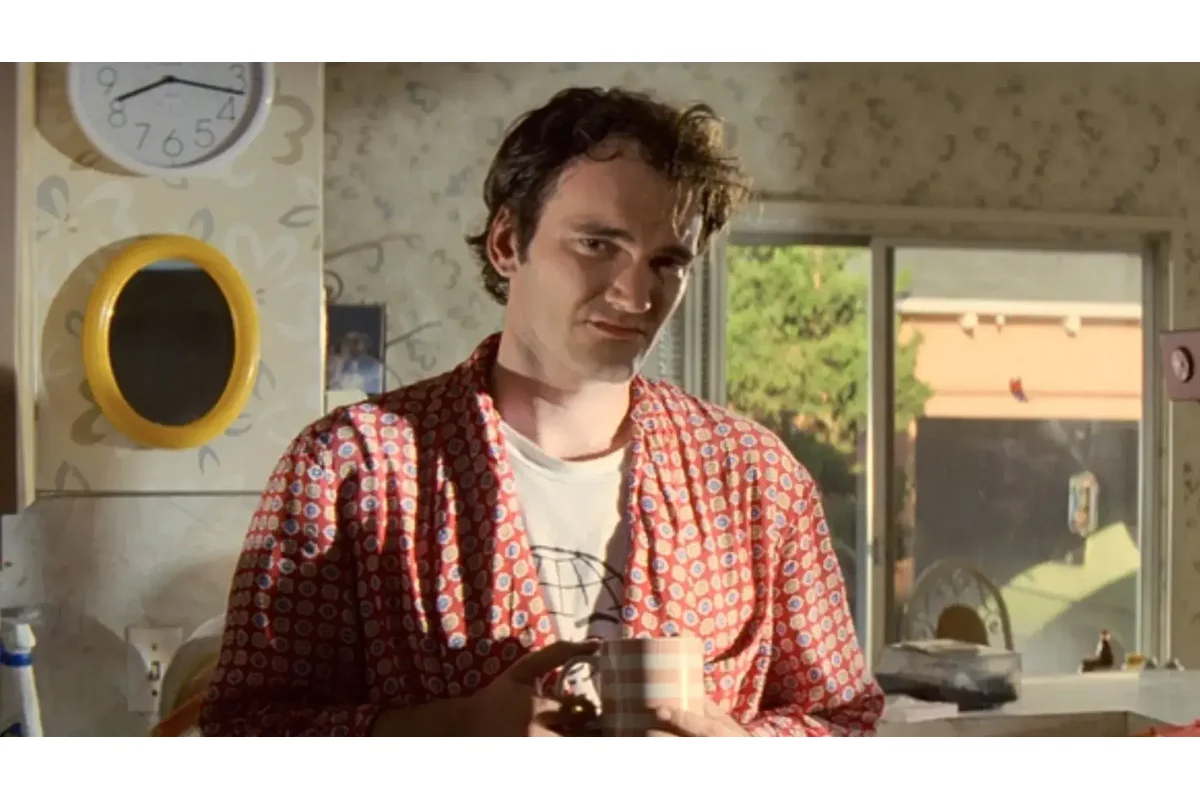
Quentin Tarantino N-word controversy sparks actor and filmmaker debate. [Image Source: PARADE]
Rosanna Arquette, who had a minor role in Quentin Tarantino’s cult classic Pulp Fiction, has criticized the director for his repeated use of the N-word in his films. More than three decades after the movie’s release, Arquette expressed frustration over the inclusion of the slur in Tarantino’s scripts, highlighting ongoing debates about race and language in cinema. This latest criticism adds to an ongoing discussion surrounding the Quentin Tarantino N-word controversy.
Historical Context and Previous Criticism
Tarantino is known for his bold and sometimes controversial use of language in his films, which frequently include racial epithets. Arquette’s concerns reflect broader unease about how the word is portrayed, particularly since its use is widely accepted only when spoken by members of the Black community. Her comments follow earlier critiques from notable figures like Spike Lee, who accused Tarantino of being “infatuated” with the word.
Spike Lee, a filmmaker acclaimed for addressing race relations, remarked in a 1997 Variety interview that while he doesn’t oppose the use of the slur in art, Tarantino’s excessive repetition of it raises questions. Lee said,
“And I use it, but not excessively. And some people speak that way. But Quentin is infatuated with that word. What does he want to be made — an honorary Black man?”
He further added,
“I want Quentin to know that all African Americans do not think that word is trendy or slick.”
Remarks from Rosanna Arquette on the Film’s Language
In a recent interview with The Times, Rosanna Arquette acknowledged the significance of Pulp Fiction but voiced her deep dissatisfaction with the regular use of the N-word. She called the film “iconic” and praised its artistic elements but stated clearly,
Image of: Quentin Tarantino
“It’s iconic, a great film on a lot of levels. But personally I am over the use of the N-word — I hate it.”
She went on to express frustration that Tarantino has faced little consequence for this, adding,
“I cannot stand that he has been given a hall pass,”
and labeling the use
“not art, it’s just racist and creepy.”
Defenses and Different Perspectives on Language Use
While some have criticized Tarantino’s language choices, others defend his artistic decisions. Samuel L. Jackson, who has worked with Tarantino on seven films, including Pulp Fiction, has spoken in support of the director’s approach. Jackson argued that language authenticity is crucial in portraying characters from different ethnic backgrounds doing so in a historically accurate manner. In a 2019 interview with Esquire, Jackson said,
“You can’t just tell a writer he can’t talk, write the words, put the words in the mouths of the people from their ethnicities, the way that they use their words,”
underlining concerns about truthfulness in storytelling. He added,
“You cannot do that, because then it becomes an untruth; it’s not honest. It’s just not honest.”
Jackson even humorously noted,
“And I generally add like at least five ‘n—–‘s to what Quentin has already written.”
The Ongoing Debate Over Tarantino’s Use of Controversial Language
The debate over Tarantino’s frequent use of the N-word reflects larger conversations about race, representation, and artistic freedom in film and media. Critics like Arquette and Lee highlight concerns about the impact such language can have, especially when used excessively or outside of authentic cultural contexts. Meanwhile, defenders underscore the importance of capturing genuine speech patterns to maintain narrative honesty.
As the discussion continues, the Quentin Tarantino N-word controversy serves as a reminder of the challenges artists face when addressing sensitive topics. How filmmakers, audiences, and the broader industry handle these issues may influence future portrayals of race and language on screen.
LADbible has reached out to Quentin Tarantino’s representatives for comment on the matter, but no statement has been issued yet.