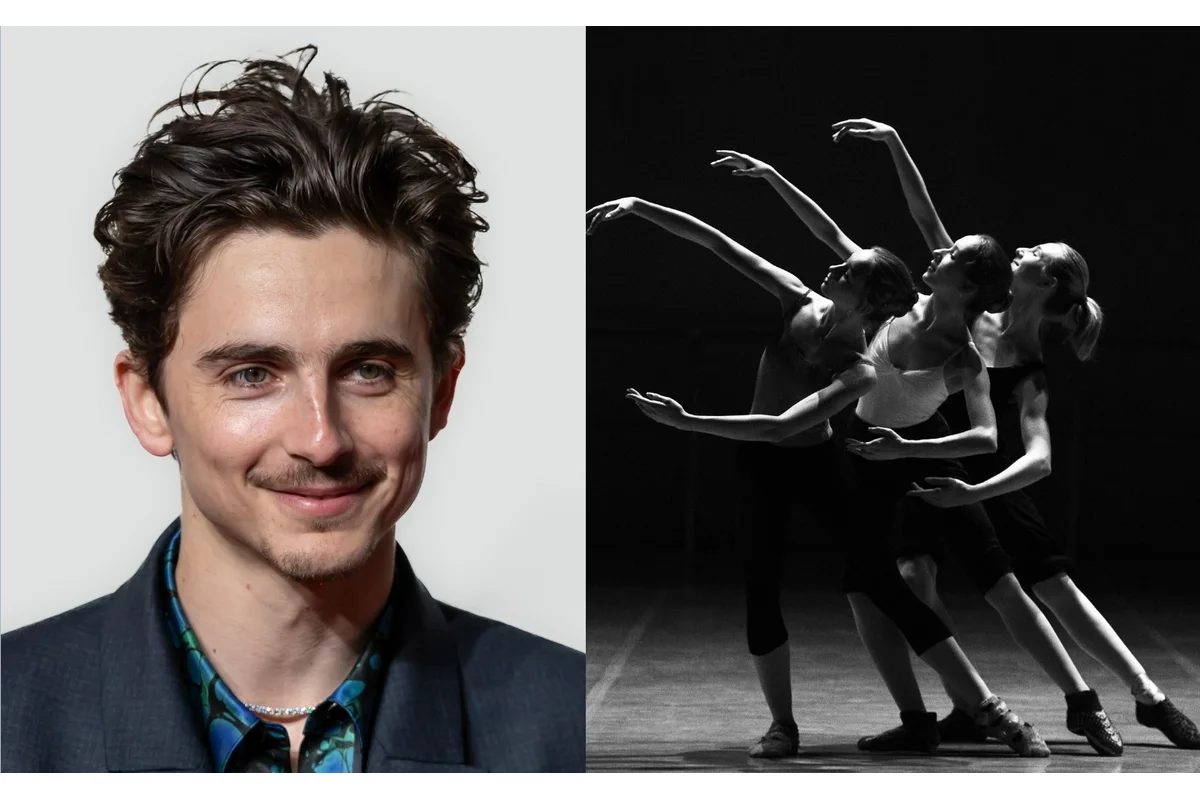
Actor Timothée Chalamet stirred controversy recently with his remarks questioning the current appeal of ballet and opera to modern audiences. The actor, speaking last month during a CNN & Variety Town Hall Event with Matthew McConaughey, expressed skepticism about the widespread interest in these traditional art forms.
During the discussion about the future of movie theatres amidst the rise of streaming platforms, Chalamet suggested that contemporary audiences prefer quicker entertainment. This viewpoint, which touched on classical arts being less relevant, quickly gained attention and criticism.
Chalamet’s comments on the future of traditional arts and entertainment
Chalamet explained his mixed feelings about the survival of movie theatres and certain entertainment genres. He stated,
“I’m really right in the middle, Matthew. Cause I admire people, and I’ve done it myself, [who] go on a talk show and go, ‘Hey, we gotta keep movie theaters alive. You know, we gotta keep this genre alive.’ And another part of me feels like, if people wanna see it, like Barbie, like Oppenheimer, they’re gonna go see it and go out of their way and be loud and proud about it.”
He then directly addressed ballet and opera, saying,
“And I don’t want to be working in ballet or opera, or things where it’s like, ‘Hey, keep this thing alive.’ Even though it’s like, no one cares about this anymore.”
Anticipating backlash, Chalamet added,
“All respect to the ballet and opera people out there. I just lost 14 cents in viewership.”
These remarks highlighted his belief that the interest in opera and ballet has waned within contemporary culture, stirring strong responses from artists and fans.
Doja Cat responds strongly in defense of opera and ballet
Singer Doja Cat responded publicly to Chalamet’s statement, disputing his claim that people no longer care about opera or ballet. In a TikTok video, she emphasized the deep history and enduring respect these art forms command. She said,
“By the way, opera is 400 years old and ballet is 500 years old. Somebody named Timothée Chalamet, had the nerve, big guy by the way, had the nerve, on camera that nobody cares about it [opera and ballet].”
Doja Cat argued that if one were to attend an opera theatre today, seats would be filled and the audience would watch in respectful silence. She added,
Image of: Timothée Chalamet
“They [dancers] show up, they break and they bleed, every single day, just because they have respect for it. They love it.”
Her comments underscored the dedication of performers and the continued reverence for ballet and opera among their audiences.
Institutions in the arts extend invitations and praise for the performing arts
In addition to Doja Cat’s response, the English National Opera publicly invited Chalamet to experience the art form firsthand, expressing hope that such a visit might alter his perspective. Social media accounts for London’s Royal Ballet and Opera also responded by sharing a video montage of performances accompanied by the message “We care.”
The Royal Opera House posted,
“Every night at the Royal Opera House, thousands of people gather for ballet and opera. For the music. For the storytelling. For the sheer magic of live performance.”
They concluded their invitation by saying,
“If you’d like to reconsider, @tchalamet, our doors are open.”
These responses highlighted the strong support for ballet and opera institutions in London and their commitment to preserving these cultural traditions despite questions about their popularity.
Implications of the debate over traditional performing arts
The “Timothée Chalamet opera controversy” has ignited a broader discussion about the role of classical arts like ballet and opera in contemporary society. Chalamet’s comments reflect a perception that these art forms may be losing relevance, while the spirited replies from Doja Cat and prominent arts institutions demonstrate the passion and loyalty they still inspire.
This exchange illustrates the tension between evolving entertainment preferences and the desire to maintain historic artistic traditions. How this dialogue influences public interest or support for ballet and opera remains to be seen, but the renewed attention could spur deeper engagement or reconsideration among audiences and artists alike.