
Timothée Chalamet, once celebrated as Hollywood’s golden boy and a leading contender for an Oscar this weekend, has encountered significant backlash following his recent comments on ballet and opera. His remarks, dismissing these art forms as outdated, sparked widespread criticism that extends beyond just his views on the performing arts.
A Controversy Ignited by Offhand Comments
Chalamet caused an uproar when he stated that “no-one cares” about ballet or opera anymore, a comment that clearly underestimated how passionate audiences remain about these art forms. The reaction was swift and intense, with opinions sharply divided but many directed at Chalamet personally. Theatre critic and arts broadcaster Ian Brown condemned the actor on BBC Radio London, calling him “an absolute fool” and predicting the backlash will have lasting consequences.
“I just think he’s ridiculous, and I suspect that will come back to haunt him.”
— Ian Brown, Theatre Critic and Arts Broadcaster
Pop culture podcast The Spill also weighed in with an episode titled,
“Why we’re officially done with Timothée Chalamet,”
questioning whether his era in Hollywood has ended.
“Why we’re officially done with Timothée Chalamet”
— The Spill Podcast
“Has the Timothée era officially come to a screeching halt?”
— The Spill Podcast
Analyzing the Nature of His Remarks and Industry Reactions
Though Chalamet’s comments were seen as ill-considered, they are minor missteps compared to more serious controversies that have surfaced in Hollywood over the years. During an in-depth interview last month with Matthew McConaughey, his co-star from the 2014 film Interstellar, Chalamet appeared to be expressing concern about making cinema accessible to a broader audience rather than elite or niche markets.
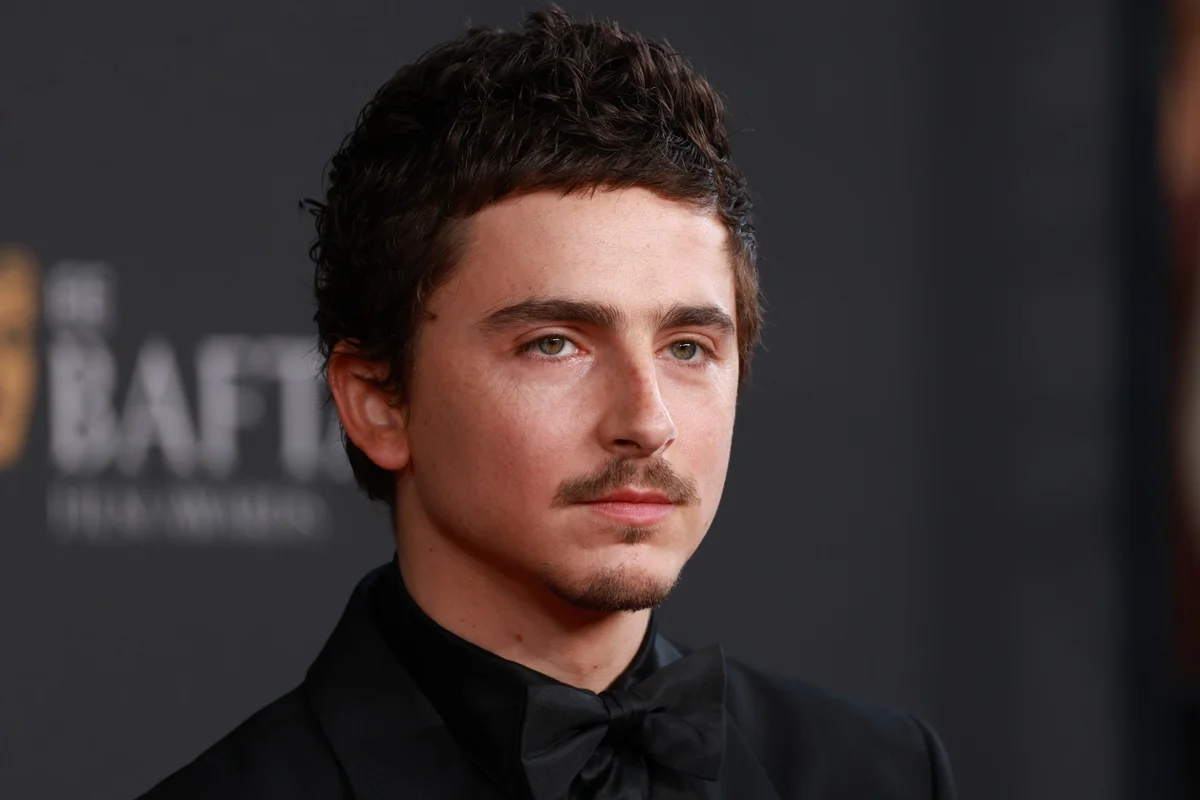
“I don’t want to be working in ballet or opera or things where it’s like, ‘Keep this thing alive even though no-one cares about this any more,'”
— Timothée Chalamet
He quickly sought to soften his statement by acknowledging the dedication of ballet and opera professionals, humorously lamenting the potential loss of fans with:
“All respect to the ballet and opera people out there, I just lost 14 cents in viewership. Damn, I just took shots for no reason.”
— Timothée Chalamet
Artists in the ballet and opera communities responded robustly. US opera singer Isabel Leonard criticized Chalamet for what she called “cheap shots” at fellow artists and suggested that his comments revealed more about his character than his knowledge of these art forms.
“To take cheap shots at fellow artists says more in this interview than anything else he could say, shows a lot about his character.”
— Isabel Leonard, Opera Singer
Some groups turned the controversy into promotional opportunities. Seattle Opera offered a 14% discount on tickets to their production of Carmen using the code TIMOTHEE, cheekily inviting Chalamet to take advantage.
“Timmy, you’re welcome to use it too.”
— Seattle Opera
Examining Ballet and Opera’s Cultural Place Amid Declining Audiences
While opera and ballet have dedicated followers, Chalamet’s critique does highlight troubling trends regarding their audience sizes. Recent official US arts attendance surveys show a sharp decline in live opera attendance, dropping from 2.2% of the population in 2017 to just 0.7% in 2022. Ballet and other live dance events experienced a decrease from 8.2% to 4.7% during the same period, indicating waning public interest.
Despite accusations that Chalamet was “punching down,” some argue he speaks from personal insight, given his familial ties to dance; he has praised his grandmother, mother, and sister, all dancers. However, the timing of his comments, emerging just before the Oscars where he is nominated for Best Actor for Marty Supreme, likely intensified the backlash.
Public attention to his remarks grew steadily through the week leading up to Oscar voting closure. His main fanbase, Club Chalamet, accused detractors of launching a smear campaign aimed at damaging his awards chances.
Impact on Oscar Prospects and Industry Momentum
Alex Ritman, Variety’s London bureau chief, notes the controversy surged after Oscar voting had concluded, probably minimizing its influence on the ultimate award outcomes. Still, Chalamet’s momentum had already diminished following his losses at major precursor events such as the Baftas and the Actors Awards.
“It’s about the momentum as you get into that last leg and you see how the tea leaves are falling. He was obviously a frontrunner for a very long time, and then when the all the different award ceremonies start happening back-to-back, you get a lay of the land.”
— Alex Ritman, Variety
Movie Marker magazine’s awards editor Rehna Azim remains firmly supportive of Chalamet, emphasizing the value of his candidness in an era of overly cautious celebrity responses.
“I think it’s good that Timothée has said something interesting instead of the same bland, safe answers that many actors give.”
— Rehna Azim, Awards Editor
Azim adds that Chalamet deserves his Oscar, praising his rapport with fans and acting skill, and warning against dismissing him simply because of online criticism.
“He’s really good with his fans, he’s a great actor, and I think he’s still an interesting actor – and I would hate to see that killed off because some people on on the internet have a go at him, because it’s cool to have a go at him.”
— Rehna Azim, Awards Editor
Oscars Scrutiny and Celebrity Persona Challenges
Both frontrunners and favorites usually face intense scrutiny in the lead-up to the Oscars, as demonstrated by Irish actress Jessie Buckley’s recent efforts to apologize for a misjudgment amid her likely Best Actress win for Hamnet. Michael Schulman, author of Oscar Wars, suggests these controversies arise due to the prolonged award season where celebrities frequently face microphones and media.
“Everyone has had too many opportunities to be in front of a microphone talking about whatever’s on their mind, and we’re running out of things to say.”
— Michael Schulman, Author
Schulman does not believe Oscar strategists wield overwhelming influence, asserting that Chalamet remains a deserving candidate. However, he observes that public opinion has cooled somewhat in recent weeks.
“I think that has a lot to do with the persona he was putting out there to sell the movie, as this callow youth full of braggadocio. It was funny, and it got people to go see the movie very successfully, but there was an awkward transition into award season where he tried to play reverend and humble, and I think people had already attached to the Marty Supreme brat persona.”
— Michael Schulman, Author
“So now he comes off as young and obnoxious, and no one’s going to rush to give a young, obnoxious person the best actor award. So I don’t think it’s gone quite right for him.”
— Michael Schulman, Author
While Schulman suspects that Chalamet’s on-screen brashness is more of a performed character than reality, it has caused confusion about the actor’s true nature. Is he genuinely brash, or a serious performer with a humble side? Perhaps both: an ambitious actor aiming for greatness who also dates reality TV star Kylie Jenner and skillfully navigates publicity stunts.
Additional Factors Influencing the Best Actor Race
Beyond Chalamet’s ballet and opera remarks, other issues have emerged in the Oscar race that could impact voting. Reports surfaced that a 17-year-old was cast unknowingly as a sex worker in a previous film by Marty Supreme’s director Josh Safdie, prompting unease. Meanwhile, support has grown for Sinners, a rival film gaining traction after Bafta wins and commendable professionalism from its stars Michael B. Jordan and Delroy Lindo, especially after an incident involving a guest with Tourette’s syndrome.
Prediction sites currently favor Jordan to win Best Actor on Oscar night, assigning him over a 50% chance, with Chalamet’s odds at 34%.
But he still could win, asserts Schulman, underscoring that unexpected outcomes remain possible.
