
Misty Copeland publicly addressed Timothée Chalamet’s recent statement dismissing ballet and opera as art forms that “no one cares about.” The exchange originated from a conversation between Chalamet and Matthew McConaughey on February 24, where the actor expressed skepticism about the widespread appeal of these classical arts. Copeland, a renowned ballet dancer and trailblazer, challenged those claims, emphasizing the lasting cultural importance of ballet and opera despite their niche popularity.
The Enduring Significance of Ballet and Opera in Culture
Speaking at a panel event for Aveeno and TOGETHXR’s The Strength Issue launch held on March 8 in New York City, Copeland highlighted the deep-rooted relevance of ballet and opera. She acknowledged that while these art forms may not dominate popular culture like movies, their impact and presence have lasted over four centuries.
“First I have to say that it’s very interesting that he invited me to be a part of promoting Marty Supreme with respect to my art form,”
Copeland said, addressing the connection between her work and Chalamet’s film. She continued,
“But I think that it’s important that we acknowledge that, yes, this is an art form that’s not ‘popular’ and a part of pop culture as movies are, but that doesn’t mean it doesn’t have enduring relevance in culture.”
Copeland further noted,
“It’s often mistaken when something is popular that it’s meaningful or more impactful,”
before adding,
“There’s a reason that the opera and ballet have been around for over 400 years.”
Misty Copeland’s Advocacy for Access and Opportunity in the Arts
As the first Black woman to become a principal dancer at the American Ballet Theatre in 2015, Copeland has built a legacy not only through performance but through expanding access to ballet. She stressed the importance of providing opportunities to diversify appreciation and participation in classical arts.
“That’s the work that I’ve been doing my whole career is to bring more people into it,”
she explained.
“So that people do understand the importance and the relevance of it in our communities and our culture, and you see it reflected everywhere.”
Copeland also linked ballet and opera’s influence to broader performance arts, stating,
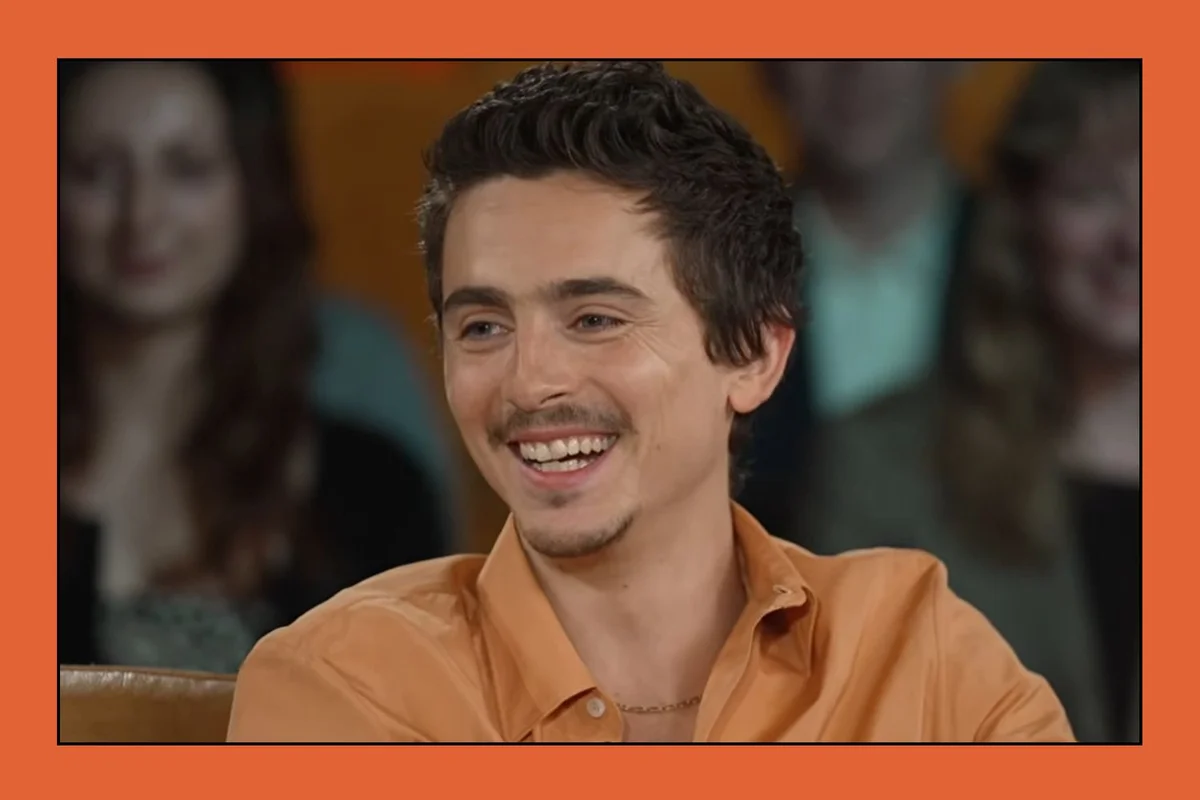
“I mean, he wouldn’t be an actor and have the opportunities he has as a movie star if it weren’t for opera and ballet in their relevance in that medium. So all of these mediums have a space and we shouldn’t be comparing them.”
She concluded her formal ballet career with the American Ballet Theatre in October 2025 after 25 years, leaving a significant mark on the dance world.
Context of Timothée Chalamet’s Remarks on Ballet and Opera
Chalamet’s controversial comments were made during a town hall event hosted by Variety and CNN at the University of Texas at Austin on February 24. The discussion, featuring Chalamet and McConaughey, touched on trends within contemporary cinema, including the placement of action scenes early in films. Chalamet mentioned Netflix’s upcoming 2025 adaptation of Frankenstein as an example of a film that attracts audiences without rushing its pacing.
“It does take you having to wave a flag of, ‘Hey, this is a serious movie,’ or something, and some people do want to be entertained and quickly,”
Chalamet said. He described himself as “really right in the middle” regarding his stance and expressed admiration for industry figures advocating for movie theaters and traditional cinema, but he remained pragmatic about audience preferences.
“I’m really right in the middle, Matthew. I admire people, and I’ve done it myself, who go on a talk show and say, ‘Hey, we’ve got to keep movie theaters alive, we’ve gotta keep this genre alive,’ and another part of me feels like if people want to see it, like Barbie, like Oppenheimer, they’re going to go see it and go out of their way to be loud and proud about it.”
However, Chalamet added a blunt critique of ballet and opera’s current appeal, stating,
“I don’t want to be working in ballet, or opera, or things where it’s like, ‘Hey, keep this thing alive, even though like no one cares about this anymore.’ All respect to all the ballet and opera people out there.”
He acknowledged the backlash his comments might provoke with lightheartedness:
“I just lost 14 cents in viewership, I just took shots for no reason.”
Reactions from Ballet and Opera Communities
Within days of Chalamet’s remarks becoming public, notable figures from the ballet and opera world responded critically. Grammy-winning opera singer Isabelle Leonard commented on the video, expressing disappointment at Chalamet’s views. She wrote that she was
“shocked that someone so seemingly successful can be so ineloquent and narrow-minded in his views about art while considering himself as artist as I would only imagine one would as an actor.”
Chalamet, who has an Oscar nomination for Best Actor for his role in Marty Supreme, remains at the center of this debate about the value and visibility of classical arts compared to contemporary entertainment.
The Broader Implications for Classical Arts and Popular Culture
This exchange underscores ongoing tensions between popular media and the preservation of traditional art forms such as ballet and opera. Copeland’s defense highlights the challenge of maintaining relevance and increasing accessibility, aiming to prevent these art forms from fading into obscurity despite their historical significance.
As audiences’ tastes shift and the entertainment landscape evolves, conversations sparked by high-profile figures like Chalamet and Copeland may influence the future support and representation of ballet and opera within both cultural institutions and popular media.
