
Terrence Howard sparked intense discussion recently by sharing his blunt views on the HBO series Game of Thrones, connecting it to what he sees as a disturbing cultural shift around sensitive themes in entertainment. During a podcast appearance, the actor criticized the show’s recurring focus on incest, while also revealing painful details from his childhood that influenced his perspectives on family and relationships.
Howard, known for roles in Hustle & Flow, Crash, and Iron Man, expressed concern about how storylines involving incestuous relationships in powerful families like the Lannisters and Targaryens have affected viewers. His comments, linked to his own early-life experiences, have ignited debate about the impact of media on society’s attitudes.
Behind Howard’s Podcast Remarks: Personal Trauma and Public Criticism
On the PBD Podcast, Terrence Howard did not hesitate to voice strong criticism of Game of Thrones, stating,
“Game of Thrones messed me up, and I think it messed up a lot of the world, because it got everybody into incest p-rn.”
The actor’s words struck a chord as he openly connected the show’s narrative choices to a broader cultural influence.
Howard also went deeper into his own past, describing traumatic experiences from when he was four years old. He recalled,
“It was the older girls that were watching me… six and seven years old,”
referring to neighborhood children whose interactions with him left lasting emotional scars. These moments, he said, caused him to “lose [his] innocence” and contributed to “a skewed view of interaction.”
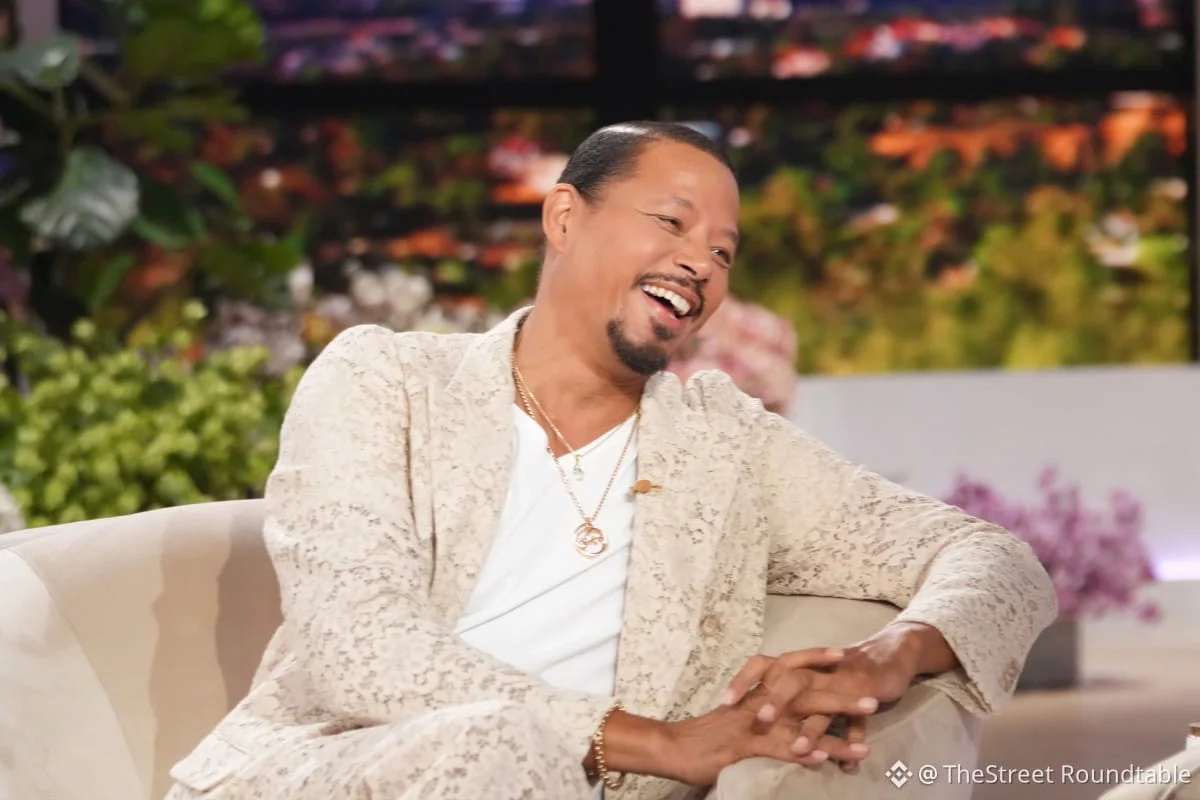
Reflecting on these events through a parental lens, Howard revealed his heightened caution in protecting his own children. He explained,
“I’m so super protective of my children. My kids are never alone without at least two people watching them.”
This candid sharing illustrates how his early trauma informs his present-day priorities and explains his intense sensitivity toward media influences.
Other Voices Joining the Game of Thrones Criticism
Terrence Howard is not alone in questioning aspects of Game of Thrones. Several celebrities and public figures have critiqued the series’ controversial content, particularly its treatment of sensitive topics. One contentious moment involved the on-screen assault of Sansa Stark by Ramsay Bolton, which brought public backlash and divided opinions.
Actress Jessica Chastain publicly condemned that scene as exploitative and voiced support for viewers who felt the portrayal was uncomfortable. Meanwhile, Sophie Turner, who portrayed Sansa Stark, defended the storyline, saying it sparked necessary conversations about violence against women. However, her defense also faced criticism from fans who viewed the handling of trauma as insensitive.
Maisie Williams, recognized for her role as Arya Stark, shared her surprise when she initially read the script showing Daenerys sitting on the Iron Throne, admitting she thought it was a joke. Howard’s recent critical remarks add another dimension to the ongoing discussion, particularly regarding the show’s repeated inclusion of incestuous relationships and their impact on audiences.
Why Howard’s Comments Matter for Media and Society
Howard’s reflections highlight how entertainment, especially popular franchises like Game of Thrones, might influence societal norms and viewer perceptions regarding taboo subjects. His call to attention about the normalization of incest within the show suggests a deeper cultural concern about what media represents and promotes.
Moreover, the connection Howard draws between his personal trauma and his criticism emphasizes the lasting effects of early experiences on adulthood views, especially regarding family and protection. As conversations continue around the ethical responsibilities of storytelling in media, Howard’s experience underscores the potential real-world consequences of fictional narratives.
Looking ahead, this discourse may encourage creators and audiences alike to reconsider how sensitive themes are portrayed and consumed, potentially leading to more thoughtful content that balances storytelling with social impact.
