
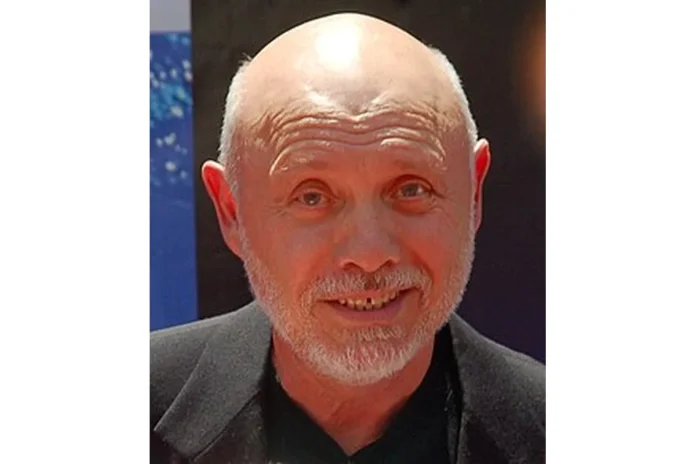
Hector Elizondo Overview
Héctor Elizondo (born December 22, 1936) is an American character actor whose career spans stage, film, and television from the 1960s to the present. He is widely known for his television roles as Dr. Phillip Watters on Chicago Hope (1994–2000) and Ed Alzate on Last Man Standing (2011–2021). Elizondo has appeared in more than eighty films, including notable titles such as The Taking of Pelham One Two Three (1974), American Gigolo (1980), The Flamingo Kid (1984), Pretty Woman (1990), The Princess Diaries (2001) and its 2004 sequel, and Love in the Time of Cholera (2007).
Founding and Organizational Origins
Héctor Elizondo was born in New York City to Carmen Medina Reyes and Martín Echevarría Elizondo, and he grew up on the Upper West Side. His parents were Puerto Ricans of Spanish descent who moved to New York City seeking opportunity. From an early age Elizondo displayed musical and athletic talent; he sang with the Frank Murray Boys’ Choir at age ten and excelled at basketball and baseball during his school years.
He attended the High School of the Performing Arts and enrolled at the City College of New York in 1954 intending to become a history teacher. During his freshman year he became a father and left college to work full time; he later divorced and obtained full custody of his son, Rodd. These early responsibilities shaped his early adult life and informed his pragmatic approach to a career in the performing arts.
Hector Elizondo Competitive Journey
Elizondo transitioned from music and athletics into formal performance training and stage work in the 1960s, building a foundation that led to film and television opportunities. He combined dance and acting studies with onstage roles that demonstrated range and a capacity for character work. Over subsequent decades he moved steadily between theatre, television, and film, developing a reputation as a reliable character actor and a frequent collaborator with prominent directors.
Early Seasons and Development (1960s–1970s)
In 1962–1963 Elizondo studied dance at the Ballet Arts Company at Carnegie Hall and took acting lessons at the Stella Adler Theatre Studio, training that supported his early stage work. He landed a part in the off-Broadway production Kill the One-Eyed Man in 1965 and appeared in The Great White Hope in 1968. His off-Broadway performance in Steambath earned him an Obie Award and marked his first major critical recognition.
During the 1970s Elizondo expanded into film and television roles. He played the hijacker Mr. Grey in The Taking of Pelham One Two Three (1974) and starred in the CBS series Popi (1975–1976), one of the earliest American network series to center a Latino theme and cast. He also guest-starred in episodic television, including a 1975 appearance on Columbo, building screen credits that led to steady work in subsequent years.
Breakthrough in Film and Television (1970s–1990s)
Across the 1980s and 1990s Elizondo developed a sustained working relationship with director Garry Marshall, appearing in numerous Marshall films beginning with Young Doctors in Love. He appeared in over eighteen films directed by Marshall, and their collaboration raised his visibility to broader audiences. A brief but memorable role in Pretty Woman (1990) contributed to a Golden Globe nomination and helped cement his status as a recognizable supporting actor in mainstream Hollywood cinema.
Elizondo’s television breakthrough came with his role as Dr. Phillip Watters on Chicago Hope, a series created by David E. Kelley. He remained on Chicago Hope for the entirety of the show’s run from 1994 to 2000, a tenure that produced awards recognition including a Primetime Emmy Award and multiple nominations. Throughout this period he continued to balance film work with recurring and guest television roles.
Modern Program and Current Direction (2000s–present)
In the 2000s Elizondo continued to appear in family and mainstream films, portraying the security head Joe in The Princess Diaries (2001) and reprising the role in The Princess Diaries 2: Royal Engagement (2004). He expanded into voice work, notably providing the voice of Bane in Batman: Mystery of the Batwoman. In 2008 he joined the cast of Monk as Dr. Neven Bell, stepping into an established series and later reprising the role in Mr. Monk’s Last Case: A Monk Movie (2023).
From 2011 to 2021 Elizondo played Ed Alzate on Last Man Standing, a long-running network comedy starring Tim Allen and Nancy Travis. In 2023 he returned to voice work with a guest role on Star Wars: The Bad Batch. Married to actress Carolee Campbell since 1969, Elizondo lives in Sherman Oaks, California, and remains active in film, television, and voice projects as part of a career that began in the early 1960s.
Engineering Philosophy and Competitive Strengths
Elizondo’s professional strengths derive from versatility, a disciplined work ethic and an ability to create nuanced supporting characters across genres. He is a trained singer and guitarist and has incorporated musical talent into screen roles. Known for dependable character work rather than star-led vehicles, he has maintained steady collaborations with directors and producers and approaches role selection with a focus on integrity and range.
Key Milestones and Major Moments
Key milestones in Elizondo’s career include his Obie Award for Steambath, his long-running role on Chicago Hope that earned a Primetime Emmy and ALMA recognition, and his recurring presence in Garry Marshall’s films. Notable moments also include his Golden Globe nomination for Pretty Woman, his participation in early Latino-themed television with Popi, and his enduring visibility through roles in family films and network television through the 2010s and into the 2020s.
Hector Elizondo Achievements and Results
Elizondo’s verified accolades include an Obie Award, a Primetime Emmy Award, and two ALMA Awards, along with nominations for a Golden Globe Award, a Drama Desk Award, a Satellite Award, and multiple Screen Actors Guild Awards. He has appeared in over eighty films and numerous television series, and he is recognized for sustained contributions to American film and television as a character actor who has worked consistently over six decades.