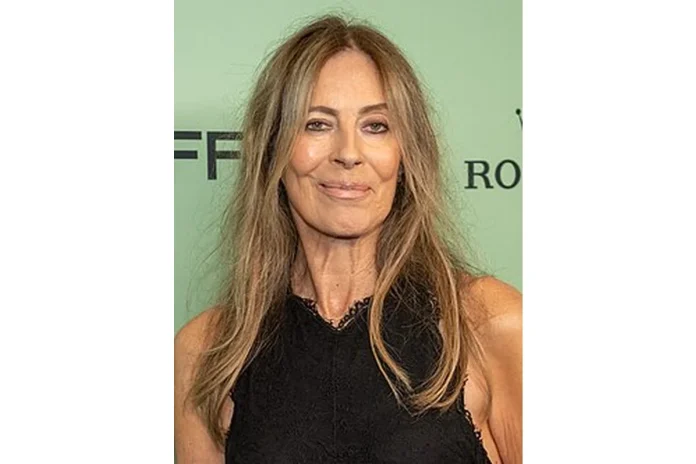
Kathryn Bigelow Bio
Kathryn Ann Bigelow is an American film director, producer, and screenwriter born on November 27, 1951. Notable for her groundbreaking achievements, she became the first woman to win an Academy Award for Best Director for her film The Hurt Locker in 2008. Throughout her career, Bigelow has directed critically acclaimed films that often explore themes of violence and gender. She has been recognized as one of the most influential filmmakers, receiving numerous accolades, including two Academy Awards and two BAFTA Awards.
Early Life and Background
Kathryn Bigelow was born in San Carlos, California, as the only child of Gertrude Kathryn and Ronald Elliot Bigelow. Her mother was a librarian, and her father managed a paint factory. Bigelow attended Sunny Hills High School in Fullerton, California, where she began to explore her artistic interests. She later enrolled at the San Francisco Art Institute, where she studied painting and was accepted into the Whitney Museum of American Art’s Independent Study Program, which helped shape her artistic vision.
After completing her Bachelor of Fine Arts in December 1972, Bigelow moved to New York City, where she lived as an artist and collaborated with various creative individuals. She eventually entered the graduate film program at Columbia University, where she studied film theory and criticism. During her time at Columbia, she co-directed her first film, The Loveless, which marked the beginning of her journey in filmmaking.
Path to Hollywood
Bigelow’s early work included the short film The Set-Up, which deconstructed violence in cinema. Her first full-length feature, The Loveless, was released in 1981 and showcased her unique approach to storytelling. She gained further recognition with her film Near Dark in 1987, which she co-scripted with Eric Red. This film marked the beginning of her fascination with genre manipulation and established her as a distinctive voice in the industry.
Throughout the late 1980s and early 1990s, Bigelow directed several notable films, including Blue Steel and Point Break. These films combined her philosophical exploration of themes with mainstream cinematic demands, allowing her to carve out a niche in the action genre while addressing deeper social issues.
Kathryn Bigelow Career
Early Career (1978–2002)
Kathryn Bigelow began her career in the late 1970s, with her first notable work being the short film The Set-Up. This film garnered attention for its innovative approach to violence. In 1981, she co-directed her first feature film, The Loveless, which starred Willem Dafoe. Following this, she directed a series of films, including Near Dark, Blue Steel, and Point Break, which solidified her reputation as a talented filmmaker.
During this period, Bigelow received critical acclaim for her unique storytelling style and her ability to blend action with thought-provoking themes. Her film Point Break became a cult classic and remains one of her most recognized works, grossing approximately $80 million worldwide.
Breakthrough (2008–2016)
Bigelow’s breakthrough came with the release of The Hurt Locker in 2008, which received universal acclaim and won numerous awards, including six Academy Awards. This film, set in post-invasion Iraq, showcased her ability to create intense, character-driven narratives. Bigelow became the first woman to win the Academy Award for Best Director for this film, a historic achievement in the film industry.
Following The Hurt Locker, Bigelow directed Zero Dark Thirty, a dramatization of the hunt for Osama bin Laden. This film was also critically acclaimed and further established her as a leading director in Hollywood. She won the New York Film Critics Circle Award for Best Director for Zero Dark Thirty, making her the first woman to win the award twice.
Notable Works and Milestones
Kathryn Bigelow’s signature works include The Hurt Locker and Zero Dark Thirty, both of which received critical acclaim and numerous awards. Her films often explore themes of violence, gender, and social issues, making her one of the most influential filmmakers of her generation.
Kathryn Bigelow Award Nominations
Kathryn Bigelow has received numerous award nominations throughout her career, including two Academy Awards for Best Director for The Hurt Locker and Zero Dark Thirty. Her work has been recognized by various film organizations, highlighting her impact on the industry.
Kathryn Bigelow Awards Won
Kathryn Bigelow has won multiple prestigious awards, including two Academy Awards for Best Director and two BAFTA Awards. Her contributions to film have been acknowledged globally, solidifying her status as a pioneering filmmaker.
Kathryn Bigelow Family
Kathryn Bigelow was married to director James Cameron from 1989 to 1991. They have no children together.
Personal Life
Bigelow’s personal life has often been in the public eye, particularly her marriage to James Cameron. Despite their divorce, both directors have continued to thrive in their respective careers. Bigelow remains focused on her filmmaking, consistently pushing boundaries and exploring new themes in her work.