Sean Connery Overview
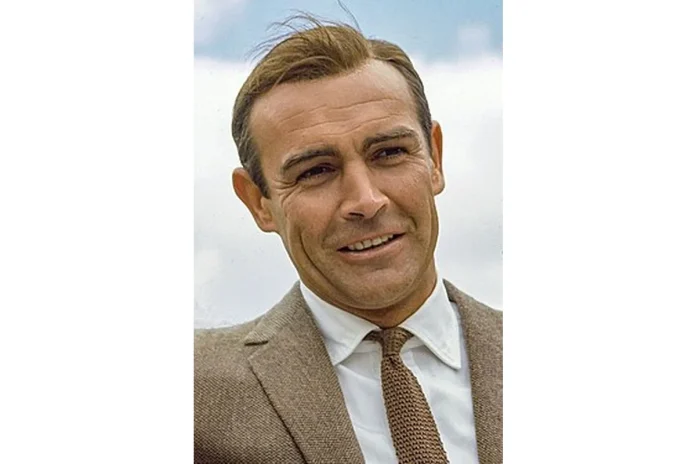
Sir Thomas Sean Connery (25 August 1930 – 31 October 2020) was a Scottish actor and producer known for originating the role of James Bond on film and for a long career in international cinema. He first played Bond in Dr. No (1962) and appeared as the character in seven feature films between 1962 and 1983, becoming one of the most recognisable figures in 20th century film. Connery also built a diverse body of work with directors including Alfred Hitchcock, Sidney Lumet, John Huston and others, winning major awards for both leading and supporting roles.
Founding and Organizational Origins
Thomas Sean Connery was born in Edinburgh on 25 August 1930 and grew up in a working-class family; his mother worked as a cleaner and his father was a factory worker and lorry driver. He held a variety of jobs as a young man — milkman, lifeguard, lorry driver, labourer and artist’s model — before finding stage work. Connery served in the Royal Navy from 1946 until he was medically discharged at 19, after which he pursued stage and screen opportunities in the 1950s, gaining early experience in theatre and small television and film roles.
Growth Into Film Career
Connery trained and performed in theatre productions and took small film and television parts through the 1950s, moving from chorus roles in musicals to credited parts in British films. He appeared in productions such as Hell Drivers (1957) and Darby O’Gill and the Little People (1959), and gained attention through television roles including Shakespeare adaptations and televised drama. His combination of physical presence, training and on-screen charisma helped him transition from supporting parts into leading roles by the early 1960s.
Sean Connery Competitive Journey
Connery’s career trajectory moved rapidly following his casting as James Bond, with that role providing an international platform that he used to expand into non-Bond films and a range of character types. He balanced franchise work with collaborations with respected directors and character-driven roles, gradually establishing a reputation for both action and dramatic performances. Later in his career he embraced supporting mentor roles and selective projects that showcased range rather than volume of output.
Early Seasons and Development (1951–1959)
During the 1950s Connery supplemented odd jobs with backstage theatre work and small screen performances, developing acting technique and gaining stage credits that led to more substantial film roles. He worked with directors such as Alvin Rakoff and appeared in BBC television dramas that demonstrated his capacity for serious parts, including televised Shakespeare and contemporary plays. By the end of the decade he had moved into feature films and earned increasingly prominent billing.
Breakthrough as James Bond (1962–1983)
Connery’s breakthrough came with the role of James Bond in Dr. No (1962); he then starred in From Russia with Love (1963), Goldfinger (1964), Thunderball (1965), You Only Live Twice (1967) and Diamonds Are Forever (1971), and later in the non-Eon production Never Say Never Again (1983). His portrayal helped define the cinematic Bond and produced a lasting cultural catchphrase, while also making him an international star. Though he grew weary of being identified solely with the character, Connery leveraged the visibility to take on varied and at times challenging projects with prominent directors.
Modern Program and Later Career (1987–2006)
After stepping away from Bond, Connery enjoyed a second peak in the late 1980s and 1990s with acclaimed supporting and leading roles. He won the Academy Award for Best Supporting Actor for The Untouchables (1987) and earned further recognition for films including The Name of the Rose (1986), Indiana Jones and the Last Crusade (1989), The Hunt for Red October (1990), Dragonheart (1996) and The Rock (1996). He received lifetime honours such as the BAFTA Fellowship (1998) and the Kennedy Center Honors (1999), and was knighted in 2000 for services to drama. Connery confirmed his retirement from acting at the American Film Institute’s Lifetime Achievement Award ceremony in June 2006.
Acting Style and Competitive Strengths
Connery combined a commanding physical presence with a measured, authoritative delivery and an ability to convey both toughness and charm. Early directors such as Terence Young helped refine his screen manner, teaching him subtleties of movement, speech and timing that became part of his signature. Across action, drama and historical pieces his strengths included clear character focus, an economical performance style and the capacity to anchor ensemble casts while providing a strong central presence.
Key Milestones and Major Moments
Key milestones in Connery’s career include his first appearance as James Bond in 1962, his Academy Award win for The Untouchables in 1987, his BAFTA Award for The Name of the Rose, and the Tony Award received as a producer of the play Art. He also received major lifetime achievement honours and a knighthood in 2000. Notable career moments include his collaborations with filmmakers such as John Huston and Alfred Hitchcock and his public decision to retire in 2006 after a five-decade career.
Sean Connery Achievements and Results
Connery’s verified accomplishments span major acting awards, stage production honours and formal distinctions from cultural institutions. He won the Academy Award for Best Supporting Actor, multiple BAFTA and Golden Globe awards for individual performances, the BAFTA Fellowship and the Cecil B. DeMille Award, and he was knighted for services to drama. His body of work includes commercially successful franchises and respected dramatic films that together established a durable legacy in international cinema.
Film Achievements
Connery achieved both popular and critical success: his Bond films were commercially influential and several non-Bond titles secured critical acclaim and award recognition. The Name of the Rose brought him a BAFTA for Best Actor, The Untouchables earned him an Academy Award and The Man Who Would Be King and other collaborations remain widely cited among his best work. He also contributed as a voice actor and occasional producer, including a Tony Award as a producer of Art.
Awards and Honors
His awards record includes an Academy Award, multiple Golden Globe and BAFTA awards, the BAFTA Fellowship and the Cecil B. DeMille Award, along with the Kennedy Center Honors. He was made a Commander of the Order of Arts and Letters in France and was knighted by Queen Elizabeth II in 2000. These honours reflect both individual performances and a lifetime contribution to film and theatre.
Personal Life and Legacy
Connery was married twice, first to Diane Cilento with whom he had a son, Jason Connery, and later to Micheline Roquebrune. He maintained residences abroad, notably in the Bahamas and previously in the south of France, and he practised Kyokushin karate, holding an honorary Shodan rank. Connery’s influence endures through his defining screen roles, notably James Bond, and through a career that balanced blockbuster success with award-winning dramatic work.