
Karan Soni’s first meeting with Daniel Radcliffe on Miracle Workers proved to be unexpectedly awkward, shaping a memorable start to their working relationship. Soni, known for his work in high-grossing films and TV hits, shared his experience during a recent interview, detailing his nerves and unique approach as he auditioned alongside the Harry Potter star for Simon Rich’s anthology series.
The moment marked a significant milestone in Soni’s career, which spans from scene-stealing roles in Abbott Elementary and Nobody Wants This, to voicing characters in animated features and starring in the audio whodunit Murder At The Patel Motel. Yet, meeting Radcliffe in the Broadway Video offices set a new bar for nerves, as Soni tried to balance professionalism with the reality of acting opposite a global icon.
Unexpected Opportunities and Collaborations
Soni’s career is defined by unexpected opportunities and evolving collaborations, particularly with fellow South Asian actors. In Murder At The Patel Motel, created by Maulik Pancholy, Zackary Grady, and Achilles Stamatelaky, Soni played Piyush Patel, giving him the chance to participate in a classic murder mystery, a genre he’s long admired. Notably, Soni highlighted the shift in the industry that now allows actors of similar backgrounds to work together rather than compete directly.
“We can be in the same thing together and we don’t have to compete.”
—Karan Soni, Actor
This collaboration stands in contrast with Soni and Pancholy’s earlier years, when roles for South Asian performers were scarce and competition fierce. Today’s industry, according to Soni, offers a “slightly better present” for representation, enabling talents to share the spotlight instead of battling for a single role.
Personal Aspirations: From Marvel Dreams to Nostalgic Snacks
Asked about dream projects, Soni shared his wish for a Marvel film infused with Indian mythology, envisioning something akin to South Asia’s take on Black Panther or Shang-Chi. He cited The Mahābhārata as a compelling source, rich with fantastical elements and characters suited for blockbuster storytelling. However, Soni joked that he’d prefer to play a fun supporting character, citing a desire to avoid the physical demands of leading action roles.
On lighter topics, Soni discussed his desire to see Japanese snacks, particularly matcha Kit Kats, become more common in American markets, reflecting the increasing popularity of matcha in Los Angeles and other U.S. cities.
Pop Culture Influences and Blind Spots
Soni opened up about his early pop culture crushes, singling out Lindsay Lohan for her captivating presence in Mean Girls and Adam Brody from The O.C., both of whom left lasting impressions during his formative years in India. A classmate once compared Soni to “the Indian Seth Cohen,” a compliment that continued to shape his self-image as a “cool nerd.”
Despite a deep love for movies, Soni admitted to a gap in his viewing of classic Hollywood films, particularly the AFI 100. Having watched predominantly Bollywood releases and commercial Hollywood fare growing up, he confessed to missing out on cinematic staples like The Godfather and The Wizard of Oz, preferring instead to start with classic musicals such as Singin’ In The Rain. Soni’s candidness about these blind spots underscores the diverse influences that shaped his acting journey.
The Awkward First Meeting with Daniel Radcliffe on Miracle Workers
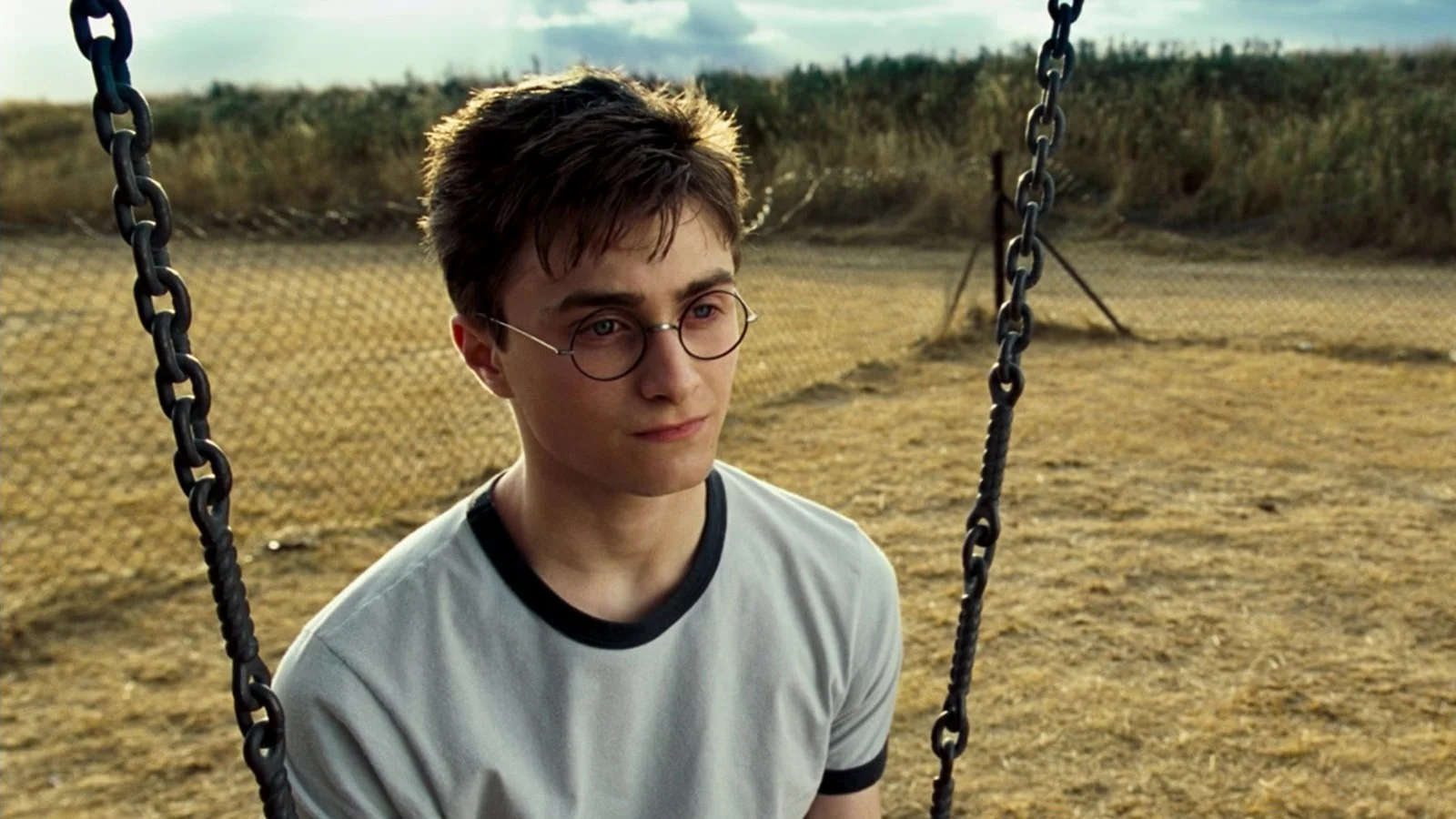
Recalling his first meeting with Daniel Radcliffe during an audition at Broadway Video’s glass-walled offices, Soni described his intense nerves as he prepared to read lines with someone he deeply admired but didn’t want to “fanboy” over. Despite having spent years in the business and thinking he was past feeling starstruck, the moment overwhelmed him, and he adopted a defensive tactic of acting aloof to mask his excitement.
Attempting to “play it cool,” Soni purposely avoided any mention of Harry Potter, only to find himself caught in a web of pretense during a table read. When a crew member mentioned prior work on the famous boy wizard films, Soni impulsively feigned ignorance, asking, “What’s that?” prompting an uncomfortable silence before Radcliffe gamely responded,
“Oh, it’s this movie I was in.”
The charade continued for weeks into filming before Soni finally confessed,
“I do know what Harry Potter is,”
to which Radcliffe replied that he’d already figured as much. Radcliffe’s good-humored response put Soni at ease—he then spent weekends watching the Harry Potter films to bring questions back to Radcliffe on set, transforming initial awkwardness into a comfortable rapport.
Soni later reflected on this strange coping mechanism, recalling,
“[I] just want to be so rude because I just want to be like, just the opposite of what [they] think it’s going to be. But it’s horrible. I don’t recommend it. It’s not worth it.”
—Karan Soni, Actor
Lessons in Industry Evolution and Career Advice
Soni addressed how advice given to actors is changing, noting that the traditional wisdom of picking a single lane—be it film or TV, comedy or drama—is now outdated. The blur between media means actors can jump across platforms and genres with fewer limitations. He observed that no longer are actors locked into narrowly defined careers; fluidity and variety characterize the modern entertainment landscape.
He also championed rising talent, pointing to actress Amita Rao, whose standout comedic performance in Deli Boys made an instant impression.
“There’s just something so unique about her comedic voice and I find her so, so funny.”
—Karan Soni, Actor
Soni shared his nostalgia for “hangout shows” like Broad City and Friends, expressing appreciation for stories about underdogs in New York City, which evoke fond memories and a sense of connection to past generations of television viewers.
Travel, Technology, and Pet Peeves
On the subject of travel, Soni cited strong preferences regarding airplane etiquette, particularly disliking passengers who bring strong-smelling food or insist on chatting despite cues for solitude. Such encounters, he explained, disrupt the rare in-flight chance to catch up on films or relax.
Turning to communication, Soni described his aversion to FaceTime, preferring traditional phone calls while walking, feeling this method enables more thoughtful conversation. He relayed amusing stories about his mother’s intense texts in English—a second language for her—which often elevate minor questions into high drama. For Soni, text and even social media direct messages now offer greater comfort than video calls, and he advocated for a slowing down of technological advancement in favor of quality over constant availability.
“We don’t need to be in touch this much. I think we can just stop with most technology other than medical and science innovation. I think as far as everything else, we have reached max efficiency. Let’s just stop at a certain point. We have to slow down. I’m ready for the slowdown period. I don’t need things to get faster or easier to access. I want to be less available. That would feel really nice.”
—Karan Soni, Actor
Childhood Memories and Vivid Dreams
Soni’s earliest memory stems from a traumatic childhood injury at his school in India, where a collision with a poorly designed glass window resulted in a deviated septum, an experience that remains vivid decades later.
Addressing a question from Alia Shawkat about a dream he’d most like to see come true, Soni recounted a surreal, two-part dream from college: an initial nightmare involving a group of friends and a mysterious attacker, followed by a peaceful afterlife encounter with his beloved first dog and a late friend. The idyllic setting of the dream, which he described as calming and European-esque, lingered with him long after he awoke—
“It’s the only time I’ve woken up and written down the dream because it was so unusual.”
What Comes Next: The Significance of Candid Storytelling
Karan Soni’s frank recollections about his experiences meeting Daniel Radcliffe, navigating early career anxieties, and embracing the evolving entertainment industry offer a revealing look into the realities behind success. His openness about everything from pop culture blind spots to humorous travel mishaps highlights the relatability that continues to endear him to fans. As the industry continues to shift, Soni’s willingness to share both vulnerabilities and ambitions—from the awkwardness of meeting household names to pinning hopes on more inclusive Hollywood stories—cements his place within a growing movement for greater authenticity and diversity on screen.
With new projects like A Nice Indian Boy and his work in Murder At The Patel Motel, Soni remains a vibrant voice among today’s generation of actors, showing that sometimes the most memorable moments come not from flawless performances, but from embracing the unexpected—even if it means stumbling through awkward introductions with Daniel Radcliffe in front of an entire cast and crew.
