
As Poker Face nears the conclusion of its second season, director Adam Arkin has been instrumental in shaping its unique style, particularly in episodes 6 and 7, titled Sloppy Joseph and One Last Job. Praised for blending diverse genres such as romantic comedies and heist films, Arkin’s direction was informed by acclaimed influences, including Wes Anderson’s storytelling approach. These episodes feature a dynamic guest cast, including Margot Martindale, David Krumholtz, Sam Richardson, and Corey Hawkins. Arkin recently shared his insights with FandomWire, explaining how director Wes Anderson’s inspiration contributed to the show’s rich visual and narrative textures.
Integral to the discussion was the creative process behind integrating Anderson’s signature style into Poker Face, capturing the tonal shifts across episodes while honoring the overall series aesthetic. As the show highlights individual episodic narratives with new characters and settings each time, Arkin’s direction had to consistently reinvent both the mood and environment, offering viewers a fresh experience every week.
Collaborative Influence of Natasha Lyonne and Rian Johnson
Adam Arkin credits the distinctiveness of Poker Face largely to the partnership between lead actress Natasha Lyonne and creator-director Rian Johnson. He praised Natasha’s exceptional talent and Rian’s visionary guidance, both of whom have shaped the show’s distinctive style. Arkin explained that each episode functions almost like a standalone pilot, involving new casts and entirely different settings, which brought a degree of creative freedom alongside considerable logistical challenges.
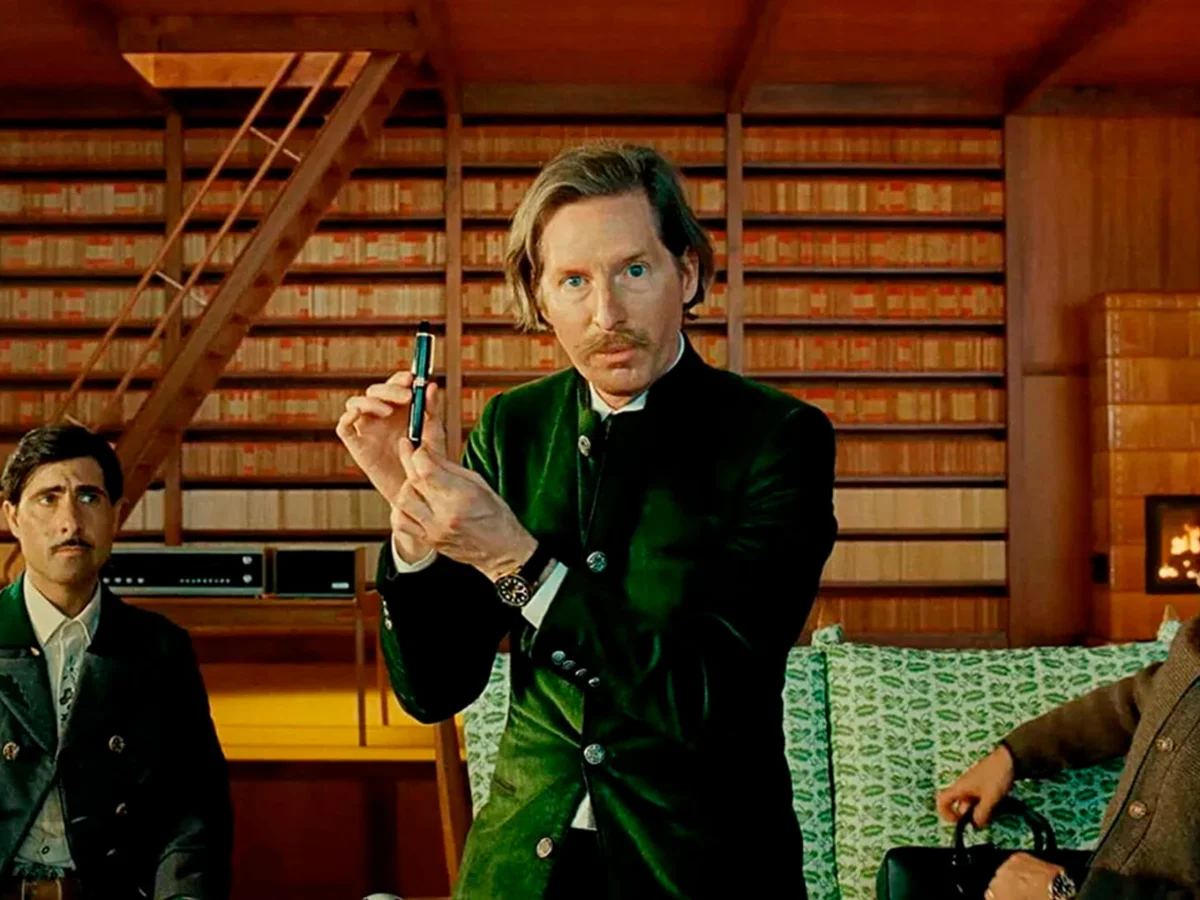
“The amazing and unique Natasha Lyonne and Rian Johnson. I think that the two of them have put a stamp on this show in terms of its style and Natasha’s abilities as a performer to bring that style to life,”
Arkin said. This constant reinvention necessitates opening new worlds visually and thematically, allowing directors like Arkin to explore various tonal directions within the overarching narrative framework.
Direction Autonomy Balanced with Series Consistency
While Natasha Lyonne and Rian Johnson maintain strong involvement, especially regarding casting and tone, Adam Arkin emphasized that directors retain considerable autonomy. He described the collaborative environment as supportive without being restrictive, which allowed him to infuse his personal sensibilities while respecting the show’s overall voice and visual cues. Arkin remarked that the tone for each episode varies dramatically, ranging from darker drama to lighthearted humor, so the director’s task involves adapting creatively to these shifts.
“They were hands-on in a way that never felt like micromanaging… There was definitely involvement and investment, but they were also both very busy. So as the director of the episode, there was a certain amount of autonomy. I certainly never felt that I was being micromanaged,”
he shared.
Blending Personal Vision with Established Cinematic Inspirations
Adam Arkin incorporated elements rooted in film history to inform his direction, especially for One Last Job, which draws clear inspiration from romantic comedies and classic heist films. The episodes’ scripts already contained strong stylistic references that served as guideposts. Arkin revisited films like Michael Mann’s Heat alongside beloved rom-coms to capture their spirit authentically within the series’ framework.
This approach allowed Arkin both freedom to experiment and a structure to maintain visual and tonal coherence. He noted that the episodes are rich with cinematic homages which enhance the viewers’ experience without detracting from the ongoing storylines.
Managing Diverse and Talented Episodic Casts
With Poker Face presenting a fresh cast of characters each episode, Arkin drew on his extensive acting background to help actors deliver compelling performances swiftly. Recognizing the importance of their contributions in such a high-stakes episodic format, he highlighted the professionalism and readiness of the actors, praising their ability to embrace the urgency of the storytelling tempo.
“The caliber of actor cast over the entire season of a show like Poker Face comes in knowing what the stakes are. They know that there’s a certain amount of that energy, and storytelling is going to fall on their shoulders,”
Arkin explained. He singled out Sam Richardson, Corey Hawkins, and James Ransone for their standout performances, noting they were “ready to play” from the outset of filming.
He also commended the youthful cast of Sloppy Joseph for their professionalism and preparedness, which, combined with the experienced veterans like Margot Martindale and David Krumholtz, created a balanced and dynamic ensemble.
“Pairing them up with veterans like Margo Martindale and David Krumholz, along with Natasha, we couldn’t lose,”
Arkin stated.
Nurturing Emerging Talent and Working with Child Actors
Adam Arkin expressed clear admiration for young actors Eva and Callum, emphasizing their potential for long careers. Arkin’s directorial approach prioritizes presence and adaptability, tailoring his communication style to each actor’s needs, whether adult or child. He acknowledged that some performers require detailed guidance while others thrive best under a more hands-off method, allowing them room to own their performances.
“In working with kids, there’s a wide range of experience and commitment. My first job in working with kids is to figure out exactly how seasoned they are and what they may need. Then take it from there,”
Arkin explained. His main focus remains being attentive and responsive to the unique requirements of each actor.
Incorporating Iconic Film References and Cinematic Montages
One of the highlights from Arkin’s episodes is the evocative use of montages that pay tribute to well-known heist films. In One Last Job, a montage sequence was created to emulate the preparation scenes typical of Ocean’s Eleven-style caper films, capturing the meticulous planning and camaraderie of heist storytelling. Arkin expressed great enjoyment in participating in this homage.
This is what we’ve got to do.
—Adam Arkin
Additionally, the visual introduction of Eva’s character in Sloppy Joseph draws inspiration from the signature style of Wes Anderson, characterized by a storybook-like, whimsical aesthetic that conveys a childlike perspective. This influence was not a direct replication but rather a source of inspiration that helped differentiate adult and child viewpoints throughout the episode, aligning with Kate Thulin’s script.
“In Sloppy Joseph, for the introduction to Eva’s character, we didn’t want to copy, but we wanted to be inspired by Wes Anderson. This kind of heightened, childlike storybook intro to it. I think it set us off on the right foot,”
Arkin said.
Potential Acting Roles and Upcoming Projects
When asked if he might make an acting appearance in future Poker Face episodes, Adam Arkin remained coy but did not dismiss the idea. His enthusiasm for the series and its creative world leaves the door open for such possibilities.
After completing work on Poker Face, Arkin moved on to direct episodes of The Night Agent. Looking ahead, he is preparing for an exciting new project: an eight-episode limited series titled American Hostage, starring Jon Hamm. This production, in collaboration with Shawn Ryan, will be filmed later this year for Sony and MGM Plus.
Adam Arkin’s continuous involvement in notable television projects underscores his stature in the industry and his ability to contribute compelling direction and storytelling across genres.
Where to Watch Arkin’s Poker Face Episodes
Fans interested in experiencing Adam Arkin’s distinct directorial style can watch both One Last Job and Sloppy Joseph streaming now on Peacock. These episodes showcase the dynamic range and creative energy that have defined Poker Face’s second season while highlighting the influence of cinematic legends like Wes Anderson on the series’ visual storytelling.
Our Reader’s Queries
Q. Why is Wes Anderson a genius?
A. All his projects showcase a distinctive style filled with carefully crafted details like dry humor, symmetrical scenes, and soft colors. His work is both enjoyable and easy to appreciate. Each new release feels like an exciting event, and we’re eager to revisit some of his greatest successes.
Q. Who started accidentally Wes Anderson?
A. Wally and Amanda Koval started Accidentally Wes Anderson (AWA) on Instagram in 2017. The group now has almost two million members.
Q. Is Wes Anderson a genius?
A. Many years later, with seven Oscar nominations, Anderson is seen as one of today’s top filmmakers. He created imaginative movies such as 2001’s *The Royal Tenenbaums* and 2023’s *Asteroid City*.
Q. What does Tarantino think of Wes Anderson?
A. In an unedited interview with Ellis, Tarantino shared mixed feelings about Wes Anderson’s movies. He enjoyed Anderson’s first film, “Bottle Rocket,” and thought “The Grand Budapest Hotel” was good. However, he did not like the popular 1998 film “Rushmore,” which features Jason Schwartzman as an unusual private school student.
