
Toxic fandoms have emerged as a significant challenge for the film industry, where criticism can cross into harmful, targeted attacks fueled by subjective viewpoints. The internet, while a valuable platform for fan engagement and discussion, has also enabled groups within film communities to reinforce emotionally charged opinions, creating a negative impact on cinema. The James Gunn toxic fandom response notably highlights a fresh, effective way to handle this issue, particularly amid rising tensions surrounding his new Superman movie.
Gunn’s approach contrasts sharply with past reactions by studios who often either ignored or catered excessively to toxic fan behavior. Notably, certain factions like Snyder fans have engaged in orchestrated attempts to undermine Gunn’s film, such as coordinated schemes to buy tickets but not attend screenings, spoil the movie online, and post negative reviews en masse. Despite the intensity of these attacks, Gunn responded with a rare blend of humor, confidence, and acknowledgment without succumbing to pressure or hostility.
What Sets James Gunn’s Response Apart From Past Fan Conflicts
A viral Reddit post on the r/SnyderCut subreddit outlined strategies aimed at sabotaging Gunn’s Superman film, including spoiler campaigns and review bombing. This effort, though likely ineffective against a major Hollywood release, symbolized the toxic mindset within that segment of fandom. The Snyder fanbase, often disconnected from Zack Snyder’s own values as a filmmaker, has shown a pattern of antagonism toward Gunn since his involvement with DC and the recasting of Henry Cavill as Superman.
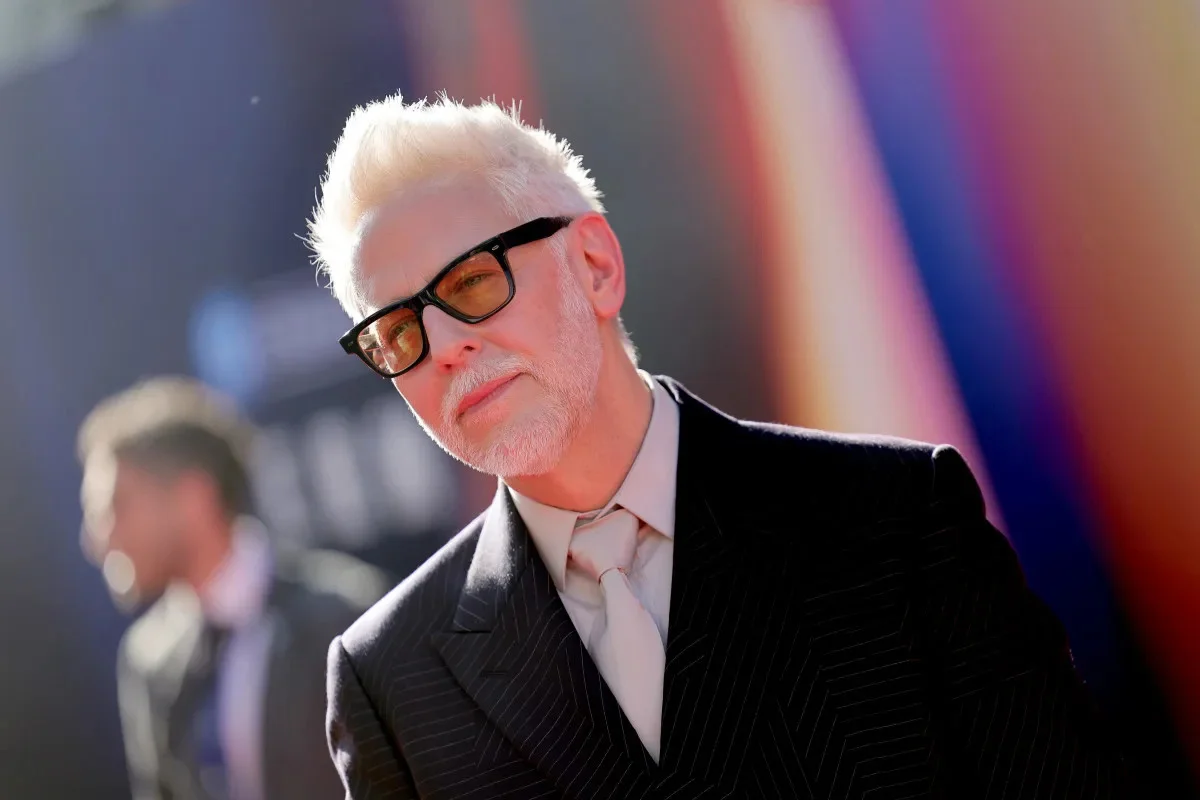
When a fan brought the Reddit post to Gunn’s attention through the platform Threads, he replied with lighthearted dismissiveness:
lol I think we’ll survive. I’m not sure the eight people that listen to that guy (I’m going to go out on a limb and guess it’s a guy) are going to impact the course of events.
—James Gunn
This response defused potential tension swiftly, showing neither fear nor irritation. Gunn’s willingness to openly address the topic—rather than ignore or harshly confront the fans—signaled a mature and composed handling of the situation.
In an interview with Rolling Stone, Gunn further elaborated on his mindset regarding criticism:
I don’t mind it. I think it’s good. I think you don’t wanna have everybody root for you.
—James Gunn
His experience of facing online hostility, including his public firing from Marvel in 2019, informs his calm and measured viewpoint on backlash. Unlike previous incidents where studios either ignored or mishandled fan outrage, Gunn has crafted a model of honest acknowledgment that neither panders to nor antagonizes the vocal minority. This method demonstrates a strategic way to navigate toxic fandom without compromising creative vision.
Why Hollywood Must Learn From James Gunn’s Effective Backlash Management
Though Gunn’s responses may appear understated, his approach sharply contrasts with the repeated missteps made by studios in the past. For example, Lucasfilm’s handling of backlash following The Last Jedi became emblematic of ineffective fan management—initial silence led to intensified fan opposition, eventually forcing a reactive and poorly received change in Rise of Skywalker. That sequel sacrificed originality for fan service, ultimately disappointing audiences and critics alike.
The television industry has also witnessed similar failures, as with Game of Thrones. Showrunners David Benioff and D.B. Weiss avoided confronting the series’ widely criticized ending, declining long-form interviews for years and only recently breaking their silence. Similarly, Kevin Feige only publicly acknowledged concerns about the MCU’s reception well after fan dissatisfaction had mounted.
This pattern reveals how ignoring or sidelining vocal fans can backfire, intensifying dissent instead of quelling it. Gunn’s immediate acknowledgment of Snyder fans’ displeasure—without compromising his artistic direction or indulging demands—offers a blueprint for balancing respect and resolve. His ability to recognize opposing views while maintaining clear boundaries contrasts with previous attempts where studios sought to ‘rise above’ toxicity by disengaging or capitulating.
The Broader Industry Impact of James Gunn’s Balanced Fan Engagement
James Gunn’s ongoing engagement with differing opinions exemplifies a commitment to constructive dialogue rather than confrontation. Earlier in the year, he shared a photo of himself with Zack Snyder, emphasizing camaraderie rather than rivalry with:
Always a pleasure catching up with my friend Zack Snyder.
—James Gunn
He explained the importance of this gesture as a counter to the divisive fan dynamics online, stating,
It’s such a weird dynamic that’s been created between factions online.
—James Gunn
By publicly showing respect for Snyder’s creative input, including consulting him on the new Superman costume design, Gunn positioned himself not as an adversary but as an inclusive leader. This contrasts with earlier approaches where studios distanced themselves from critics, leaving directors like Rian Johnson to shoulder fan backlash alone after The Last Jedi.
Gunn’s combination of honesty, humor, and steadfastness has established a new standard for studio heads confronting toxic fandom. As co-CEO of DC Studios, his role carries significant weight, showing that studio executives can and should engage directly with audiences without losing control over their projects. His active social media presence ensures he remains attuned to fan sentiment without being beholden to it.
With several high-profile franchise reboots in the pipeline, including Harry Potter and James Bond, the entertainment industry is likely to face more heated fan responses in coming years. Gunn’s example offers a way forward: acknowledging fan voices respectfully, standing firm on creative vision, and handling criticism with poise rather than avoidance or pandering. Such an approach could allow Hollywood to better navigate the complex relationship between creators and passionate audiences while safeguarding the integrity of their work.
Our Reader’s Queries
Q. Why is James Gunn leaving Marvel?
A. In 2018, Marvel let go of James Gunn after some offensive old tweets came to light. These tweets included jokes about sensitive topics like abuse and caused public outrage. In July 2018, the situation dramatically shifted for the director.
Q. What is James Gunn’s religion?
A. In Gunn’s 2025 version of Superman, the updated CGI Krypto the Superdog was inspired by Ozu. Gunn, who grew up in a Catholic household, often talks about the significance of prayer in his life. However, he also describes himself as being “in some ways, against religion.”
Q. What religion is James Gunn?
A. He grew up in a Catholic family in Manchester, a suburb of St. Louis, Missouri. He has three brothers and one sister. His brothers include Sean, who is an actor, and Matt, who is both an actor and political writer. Brian works as a screenwriter, while the other siblings are Patrick and Beth. Their family has Irish roots, and their father was part of an Irish immigrant family.
