
The Star Wars sequel trilogy introduced Supreme Leader Snoke as a powerful antagonist, but his sudden death in Star Wars: The Last Jedi shocked many fans who expected more from this character. The killing of Snoke by Kylo Ren occurred without much buildup, stirring debate about missed opportunities in developing Snoke’s role throughout the trilogy. This article examines the choices made by director Rian Johnson concerning Snoke and the broader implications for the franchise’s storytelling.
Rian Johnson’s Reasoning Behind Snoke’s Death
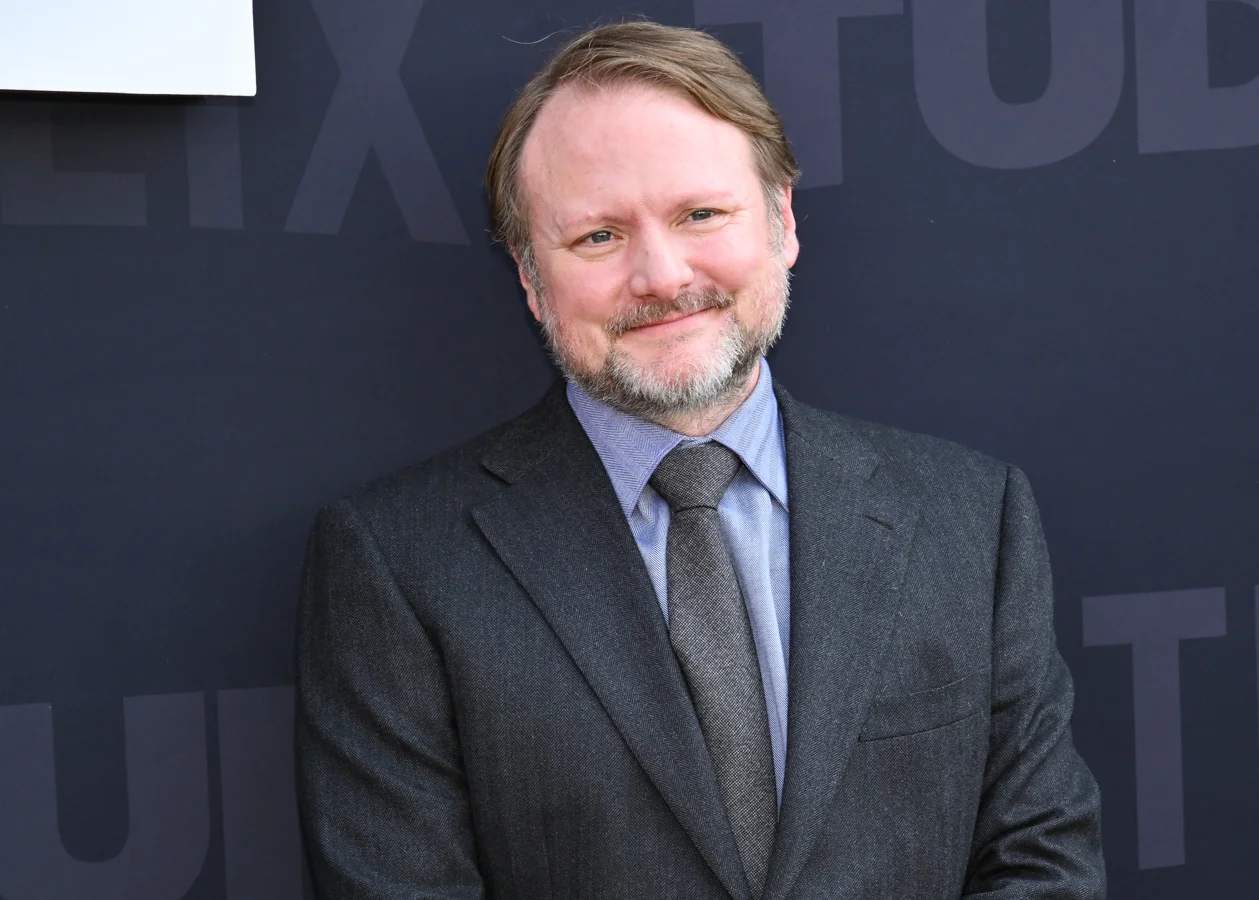
Director Rian Johnson explained his decision to end Snoke’s storyline in The Last Jedi as a deliberate move to shift focus toward Kylo Ren’s character development. The abrupt nature of Snoke’s demise drew criticism for lacking a memorable climax, especially given how Snoke had been framed as the trilogy’s main villain in The Force Awakens. Johnson defended the choice in an interview, emphasizing how Snoke’s death served to elevate Kylo Ren to a more complex and prominent role within the story.
This is all a matter of perspective and phrasing, but to me, I didn’t easily dispense with Snoke. I took great pains to use him in the most dramatically impactful way I could, which was to then take Kylo’s character to the next level and set him up as well as I possibly could. I guess it all comes down to your point of view. I thought, ‘This is such a compelling and complicated villain. This is this is who it makes sense going forward to build around.’
—Rian Johnson, Director
The Unfulfilled Promise of Supreme Leader Snoke’s Character
Snoke’s introduction in The Force Awakens hinted at a formidable villain with vast power and influence. However, the films failed to fully explore his abilities or personality, leaving his character underdeveloped and ultimately less impactful. The casting of Andy Serkis, renowned for his motion capture performances in roles such as Gollum and Caesar, raised expectations for Snoke to be a memorable antagonist. Instead, the character was limited in emotional range and screen presence, further reducing his significance.
Eventually, Star Wars revealed Snoke to be a clone created by Emperor Palpatine, which diminished his uniqueness and undermined the threat he initially posed. While his death paved the way for Kylo Ren’s rise, the lack of groundwork around Snoke weakened the effectiveness of this transition and left fans questioning the abruptness of his exit.
Snoke’s Role Highlights Broader Challenges in the Sequel Trilogy
The inconsistency in Snoke’s storyline reflects larger issues within the Star Wars sequel trilogy, notably the absence of long-term planning across the three films. With each movie helmed by a different writer and director, the narrative lacked cohesive direction, affecting characters like Snoke. Although J.J. Abrams appeared to set up Snoke as a dominant villain, these intentions were not realized, as later installments disregarded prior plot points.
Snoke’s visually striking presence and potential as a major villain were undermined by haphazard storytelling decisions. Even though Rian Johnson attempted to leverage Snoke’s death to enrich Kylo Ren’s arc, the fragmented approach to the trilogy diluted the impact, leaving multiple characters and storylines feeling unfinished and disconnected.
Why Snoke’s Death Continues to Spark Frustration Among Fans
Fans and critics alike remain divided over Snoke’s sudden removal, mostly because it happened without sufficient narrative payoff or emotional investment. His death erased the mystery that had surrounded the character, leaving only questions about the missed opportunities for deeper exploration. Many viewers had anticipated Snoke to be a permanent, menacing force in the saga, but his premature end curtailed that promise.
By cutting short Snoke’s arc, the filmmakers forfeited a chance to develop a richly layered villain who could have expanded the Star Wars mythos. Kylo Ren’s transformation gained some momentum, but this gain was offset by the lost potential to craft a more compelling antagonist who could have enhanced the stakes and complexity of the trilogy.
The Lasting Effects of Snoke’s Arc on the Franchise’s Future
The somber reception of Snoke’s character and fate underscores a cautionary tale about the importance of narrative consistency and character development in large franchises. With Snoke’s brief and unresolved storyline highlighting the trilogy’s fragmented creative process, it is evident that future installments must adopt stronger long-term planning to meet audience expectations. As Star Wars continues to expand across multiple mediums, the lessons learned from Snoke’s arc are likely to influence how villains and overarching storylines are managed in upcoming projects.
Our Reader’s Queries
Q. Why did Rian Johnson direct Star Wars episode 8?
A. After the movie Looper came out, Rian Johnson had a meeting with Kathleen Kennedy, who was the new president of Lucasfilm. When he had a second meeting, Johnson got the chance to direct Episode VIII of the Star Wars sequel trilogy.
