
Steve Carell’s reputation as a leading comedy actor was solidified by his iconic role in The Office, but his later show, Space Force, highlighted the challenges of reproducing that success. Despite starring as General Mark R. Naird in Space Force, Carell’s new military comedy failed to capture the humor and charm that made his previous sitcom a beloved classic.
A Promising Return to TV Comedy for Steve Carell
After leaving The Office in 2011, Steve Carell ventured into several comedy films and took roles in various TV dramas and sitcoms, including Angie Tribeca and The Morning Show. Space Force, released nearly a decade after his departure from The Office, marked his long-awaited return to television comedy. The show was developed by Carell alongside Greg Daniels, who famously led the American version of The Office.
Space Force cast Carell as General Mark R. Naird, the head of a newly established branch of the U.S. military tasked with space operations. The character was meant to echo some of the bumbling, yet endearing qualities of Michael Scott, Carell’s previous iconic role. With a high-profile ensemble including Lisa Kudrow, Ben Schwartz, Tawny Newsome, and Hollywood veterans such as John Malkovich, Noah Emmerich, and Jane Lynch, the series appeared to have all the elements for success.
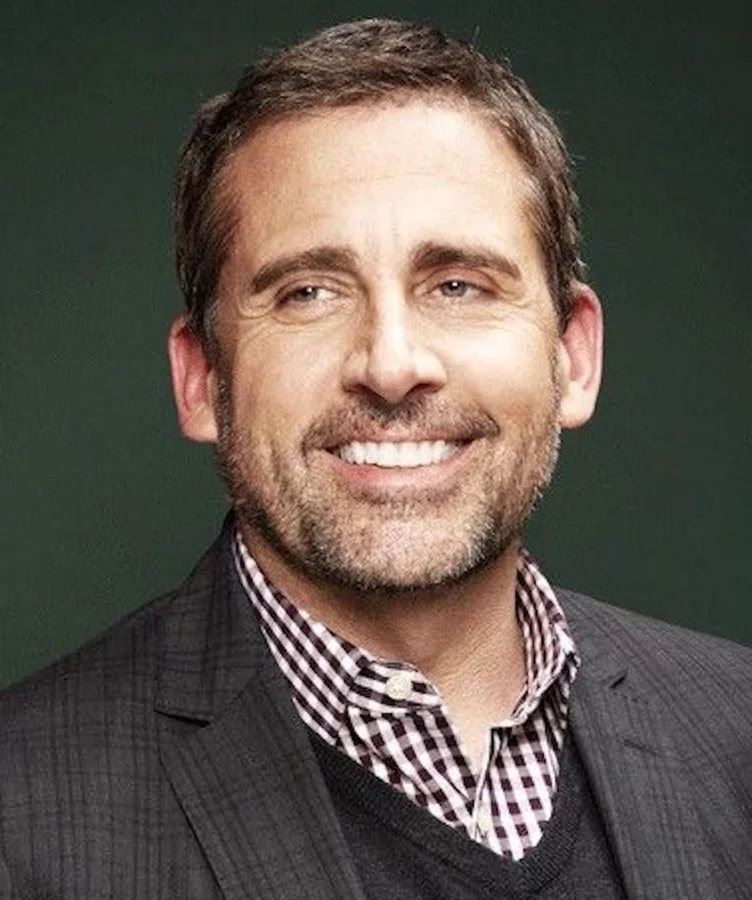
On paper, Space Force was positioned to be a perfect fit for Carell’s sitcom comeback. Yet, despite the promising cast and the involvement of key creative figures from The Office, the show struggled to resonate with audiences and critics alike, leading to its cancellation after two seasons in 2022.
What Led to Space Force’s Disappointing Reception Compared to The Office?
Several factors contributed to why Space Force did not reach the acclaim of The Office, with weak writing and underutilized cast talent being the most apparent. The Office benefited from sharp scripts, collaborative character development, and skilled improvisation from its cast, including Carell himself. In contrast, Space Force’s humor often felt cautious and lacked the incisive satire that the premise seemed to promise.
Space Force had the potential to offer a pointed satire of U.S. military bureaucracy and political dynamics, yet the show delivered a safer, less daring comedic tone. One notable exception was the character Anabela Ysidro-Campos, a fictionalized sharp-witted congresswoman seen as a parody of Alexandria Ocasio-Cortez, which stood out for its biting humor amid a generally subdued comedic approach.
Despite the presence of acclaimed actors like John Malkovich, their talents were largely underexploited. Carell’s portrayal of a four-star military general did not quite fit, lacking the effortless comedic flair that he brought to Michael Scott. Far from the anticipated “The Office does NASA” vibe, Space Force came across as fragmented and weighted down by cautious storytelling.
Lessons from Space Force: The Difficulty of Recreating TV Sitcom Magic
It became evident that Space Force was unlikely to replicate The Office’s unique blend of humor and character depth. Although both series shared the same developer and star, the winning formula of one show is extremely hard to duplicate in a different setting with new characters. The chemistry and success of The Office rested not only on Greg Daniels and Steve Carell but also on an extraordinary ensemble cast and closely-knit writing team, featuring talents such as Mindy Kaling, B.J. Novak, Michael Schur, and Paul Lieberstein.
Even established sitcom spin-offs often struggle to match the original’s impact due to the delicate balance of characters, scenes, and writing that create their distinct atmosphere. Space Force’s cancellation reflects how challenging it is to translate previous success into fresh projects without falling short on creative execution.
The Pressure on The Office’s New Spinoff to Match Its Legacy
With the recent release of the trailer for The Paper, a new series spun off from The Office, expectations are high. This spinoff faces the challenge of living up to the achievements of its predecessor and avoiding the pitfalls experienced by Space Force. Greg Daniels, whose résumé includes Saturday Night Live, The Simpsons, King of the Hill, Parks and Recreation, and The Office, carries significant sitcom experience that could steer The Paper toward success.
Given the disappointing outcome of Space Force, which experienced cancellation partly due to budget cuts and subscriber losses at Netflix, the creative team now has even more reason to approach this new project carefully. The Paper’s reception will likely reveal whether the magic of The Office can be recaptured or whether it was a one-time phenomenon.
Overall, Steve Carell’s Space Force serves as a stark reminder that replicating the unique comedic tone and character-driven success of a show like The Office requires more than familiar faces and production teams; it demands exceptional writing, casting, and creative risk-taking that few series can fully achieve.
