
Jamie Lee Curtis has publicly defended the new sequel to the 2003 comedy “Freaky Friday” following a scathing critique from Time magazine’s Stephanie Zacharek. The review labeled the film as “humiliating to everyone involved,” questioning the necessity of a sequel to the beloved original. Curtis pushed back on social media, stating,
“SEEMS a TAD HARSH. SOME people LOVE it. Me being one,”
highlighting a division in reception among viewers and critics alike.
Context Behind the Mixed Reactions to the ‘Freaky Friday’ Follow-Up
Stephanie Zacharek, who is respected for her Pulitzer Prize-winning film criticism, expressed skepticism about the demand for a sequel to the lighthearted 2003 generation-gap comedy. She noted that no apparent public desire existed for the follow-up. Curtis’ defense sheds light on the tension between critics and artists, with some viewing studio decisions behind sequels as commercial rather than creative. However, Curtis pointed out the reality of the industry, where sequels are typically business-driven projects rather than passion projects requested by audiences.
Assessing the Sequel’s Strengths and Appeal to Families
Although “Freakier Friday” may not match the original’s level of humor, it has found success by appealing to a family demographic, especially parents bringing tweens and teens to the theater. Curtis noted the film earned $30 million during its opening weekend, evidence of its resonance with a specific audience. The sequel plays on emotional themes and broader appeal, blending teenage body swap comedy with heartfelt moments aimed at parents.
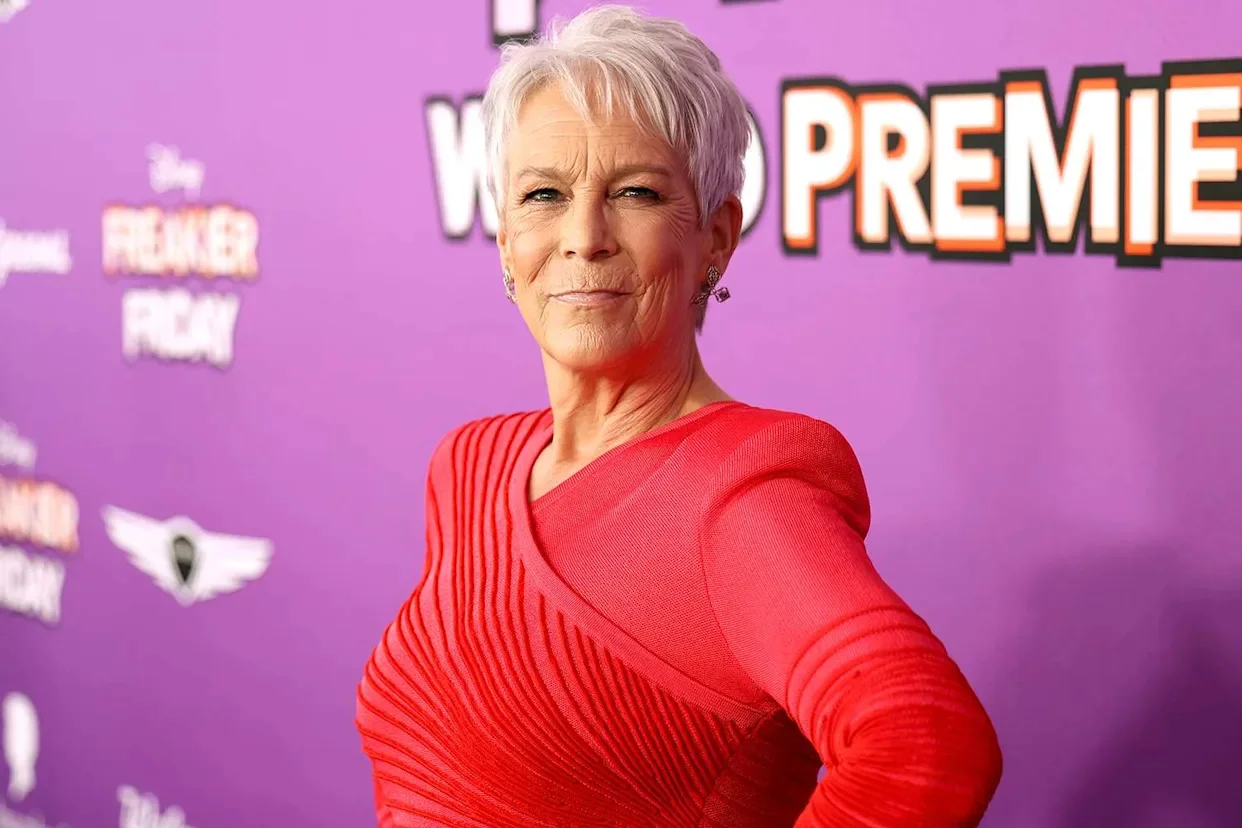
The cast brings together returning stars Lindsay Lohan, Curtis herself, Chad Michael Murray, and Mark Harmon for the adult viewers, while introducing younger talents like Maitreyi Ramakrishnan from “Never Have I Ever.” This combination caters to viewers across age groups, balancing nostalgic connections with contemporary relevance. Curtis also shared that the sequel is not as sharply comedic but sweeter, with emotional beats designed to connect multiple generations simultaneously.
Plot Overview and Character Dynamics in ‘Freakier Friday’
The film’s storyline expands on the original’s body swap concept by involving multiple family members. Tess (played by Jamie Lee Curtis) and her daughter Anna (Lindsay Lohan) swap bodies along with Anna’s daughter Julia (Harper Coleman) and her soon-to-be stepsister Lily (Sophia Hammons). The plot centers around complex family relationships and the challenges of blending households, particularly as Anna is engaged to Eric (Manny Jacinto), a widowed British chef recently relocated to Los Angeles with Lily.
The body swapping sets off a series of events where Julia and Lily initially attempt to sabotage their parents’ wedding but eventually develop a strong sisterly bond. Simultaneously, Tess and Anna deepen their mother-daughter relationship. While the premise retains a lighthearted silliness reminiscent of early 2000s teen comedies, the film is infused with moments aimed at tugging the heartstrings of parents in the audience.
Direction and Tone: A Contemporary Touch to Nostalgic Comedy
Under the direction of Nisha Ganatra, known for her work in television comedy, the sequel navigates the mix of nostalgia and refreshingly modern elements. Ganatra injects the film with sitcom-style charm while still offering emotional payoffs for viewers familiar with the original. The movie leans into its sentimental aspects, focusing on parent-child relationships and sibling dynamics, which contrasts with the harsher comedic edge of the first film.
Reception by Viewers and Performances by the Cast
The movie’s reception among audiences, particularly families, appears to be cautiously positive. Curtis relayed that her teenage daughters found the film “cute,” a modest commendation that stands in contrast to more negative critical reviews. Lindsay Lohan’s performance is highlighted as her best in years, while Manny Jacinto’s portrayal adds warmth as the supportive fiancé. Jamie Lee Curtis’s role as a grandmother body-swapped into a teenager is also praised for its balance of humor and sensitivity, despite some criticism of her social media presence.
The Broader Significance of the Sequel’s Release
The release of “Freakier Friday” symbolizes the ongoing trend of revisiting popular intellectual properties, driven largely by studio strategy rather than explicit fan demand. Curtis suggests that such projects, while often met with skepticism, can offer genuine entertainment value for particular audiences. Drawing parallels with the unexpected success of films like “Paddington 2” and “Top Gun: Maverick,” she argues that these sequels have potential despite doubts about their necessity.
This sequel also reflects a marketing approach that aims to unite different generations in a shared moviegoing experience, addressing the needs of parents seeking age-appropriate content for older children and teens. By combining humor, family conflict, and heartfelt moments, the film carves out a niche beyond the typical children’s or teen movie, hoping to fill a gap in theatrical offerings for families with teenage kids.
Understanding the Challenges of Modern Film Criticism and Audience Expectations
The controversy around the sequel’s reception highlights the complex relationship between filmmakers, critics, and audiences in today’s media landscape. Curtis’s engagement with criticism online underscores the uneasy dynamics where actors sometimes feel compelled to defend their work publicly, despite the traditional advice to avoid such conflicts. The ongoing debate centers on how sequels should be evaluated: as standalone works or in comparison to the originals, and how commercial interests influence creative choices.
