
Quentin Tarantino, one of Hollywood’s most influential directors, is facing a daunting challenge as he prepares for his final film. With a career defined by iconic movies like Pulp Fiction, Kill Bill, and Once Upon a Time in Hollywood, Tarantino’s approach to storytelling combines sharp dialogue, memorable characters, stylized violence, and a keen sense of genre reinvention. Now, as he approaches his tenth and last project, the question remains: how can he surpass the monumental success of his previous films while meeting sky-high expectations?
After nine acclaimed movies, Tarantino’s final film looms large, primarily because his latest release, Once Upon a Time in Hollywood, is viewed as a perfect encapsulation of his artistry. The film serves as both a nostalgic homage to 1960s Hollywood and a masterclass in his unique style, blending tension, humor, and historical reimagination. This makes his upcoming project particularly challenging, as he must find a new direction without repeating himself or diminishing his legacy.
Why Surpassing ‘Once Upon a Time in Hollywood’ Is a Daunting Task
Once Upon a Time in Hollywood is often praised as Tarantino’s definitive work, the culmination of his creative vision that hits every note fans expect. The movie’s intricate production design, detailed script choices, and multifaceted characters showcase a filmmaker at the peak of his craft. Given this, many argue it already represents his ideal final statement, heightening the pressure for his tenth film to stand out independently.
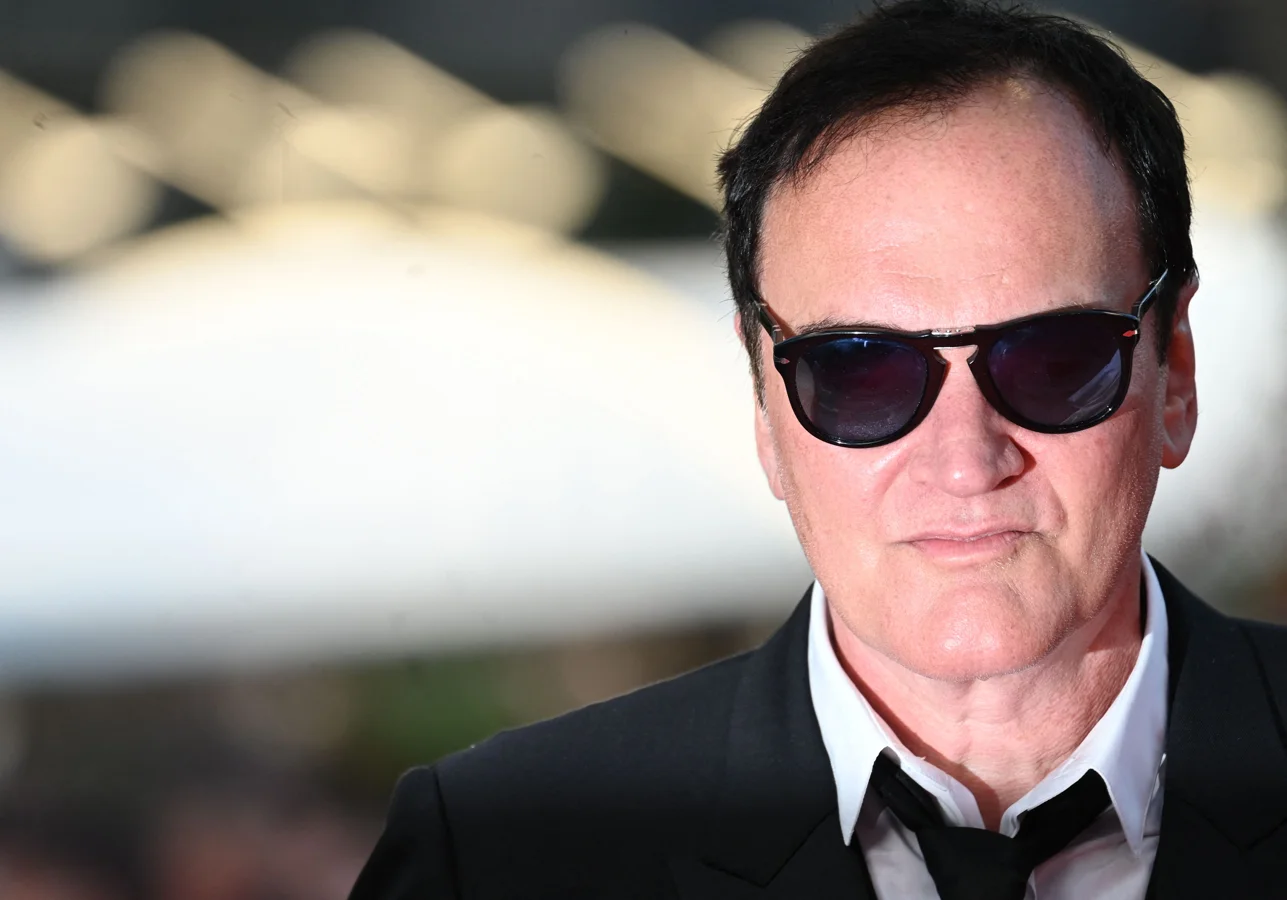
Initially, Tarantino planned for his final film to be The Movie Critic, a 1970s Los Angeles-set story about a film critic, with Brad Pitt attached to star. However, as development progressed, Tarantino realized the concept lacked the inspiration he sought and too closely echoed the themes and setting of Once Upon a Time in Hollywood. Consequently, he made the rare choice to abandon the project and even passed the idea along to David Fincher, signaling his serious commitment to finding a fresh and distinct story for his closing chapter.
The Personal and Creative Hurdles Ahead
Aside from the artistic challenge, Tarantino’s next move carries significant emotional weight. During the Sundance Film Festival, he revealed a personal motivation influencing the timing of his final film. He explained that he prefers to wait until his children are old enough to understand the experience of watching their father work on set, creating a lasting family memory.
“The idea of jumping on a voyage when they’re too young to understand it is not enticing to me. I kind of want to not do whatever movie I end up doing until my son is at least six. That way he’ll know what’s going on, he’ll be there, and it will be a memory for the rest of his life,”
—Quentin Tarantino, Director
This consideration adds another layer of complexity to his decision-making process, as he balances creative ambition with the desire for meaningful personal experiences during his professional finale.
Facing the Risk of Overshadowing Himself
The biggest hurdle Tarantino faces is perhaps the psychological challenge of competing against his own legacy. The success of Once Upon a Time in Hollywood has set a nearly unbeatable standard that overshadows what will come next. Any misstep in his final movie could unintentionally diminish the reputation he has spent decades cultivating.
While many fans would accept a smaller-scale project without damage to his reputation, others may see anything that falls short as a letdown. This uncertainty forces Tarantino to negotiate the fine line between innovation and repetition, striving to create something that remains unmistakably his while offering new creative ground.
What’s at Stake for Tarantino’s Legacy
With Tarantino poised to retire after his tenth film, this final project signifies more than just another movie—it is the ultimate test of his ability to reinvent himself. His past films have rewritten cinematic language, but this moment demands that he innovate within the context of the mythology he has built over three decades. Success would secure his status as one of cinema’s untouchable figures, while failure risks marking the end of his career on a less triumphant note.
Such a scenario reveals the intense pressure and unrest Tarantino endures as he balances personal timelines, creative ambitions, and the heavy expectations of audiences, critics, and himself. The coming months will be critical in revealing whether his tenth film can stand beside his most celebrated works or if it will serve as a reminder of how even the greatest artists struggle to overcome their own legacies.
