
Despite Titanic’s monumental success upon its 1997 release, the film still faces criticism that often seems undeserved. Directed by James Cameron, the movie became a cultural phenomenon, breaking box office records globally and holding the title of highest-grossing film for more than ten years. Despite this acclaim, the film continues to encounter backlash related to its story and style.
Titanic’s impact extended beyond ticket sales, earning 14 Academy Award nominations and winning 11—including Best Picture—solidifying its place as a cinematic milestone. However, as time has passed, some viewers and critics have grown skeptical of its lasting value, contributing to ongoing debate about the film’s true merit.
Reevaluating Titanic’s Reputation Beyond Popularity
While Titanic is often remembered more for its widespread popularity than its artistic qualities, the film boasts impressive credentials that many overlook. Titanic’s success in major award circuits cannot be overstated: it received 162 nominations across various platforms and won 111 awards, a testament to its skillful production. Critical reception also remains strong, with an 88% rating on Rotten Tomatoes reflecting sustained appreciation from professional reviewers.
Much of the negativity leveled against Titanic targets its sentimental love story and certain historical inaccuracies. However, these aspects are integral to the film’s appeal. The romance between Jack and Rose lies at the heart of Titanic, providing emotional depth that connects with audiences worldwide. Regarding factual liberties, it is important to recognize that the film is not intended as a documentary; creative license is a common and accepted part of adapting history for the big screen.
The Artistic and Technical Mastery Behind Titanic
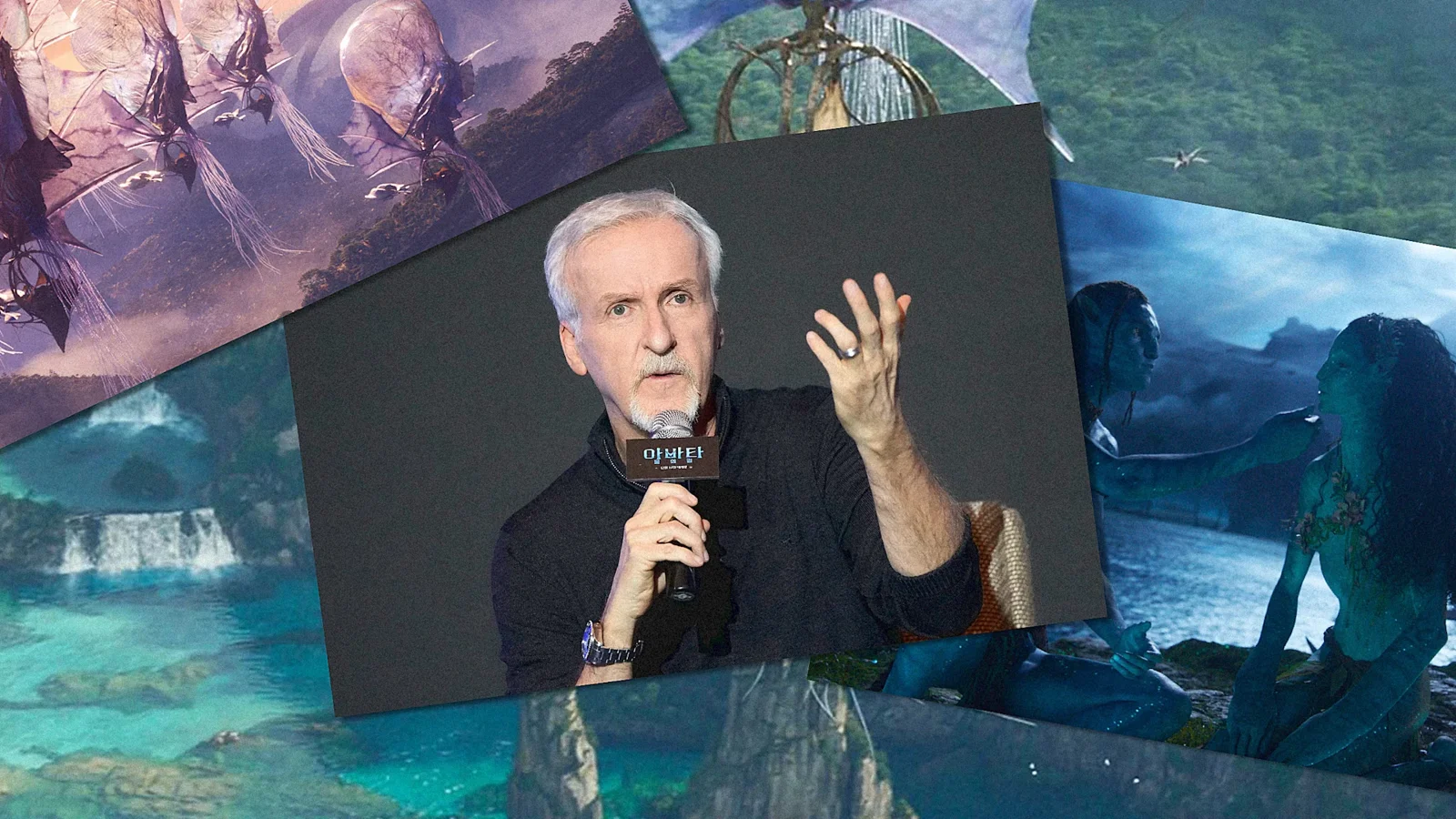
Even for those less engaged by the romantic plot, Titanic deserves admiration for its technical and filmmaking achievements. The production involved significant risks, including underwater explorations at the actual Atlantic Ocean wreck of the Titanic ship. James Cameron’s innovative techniques in filming the water scenes showcased a commitment to authenticity and visual grandeur that would later influence his work on projects like Avatar: The Way of Water.
The meticulous craftsmanship—the detailed sets, imaginative effects, and bold directorial choices—cements Titanic as more than just a popular movie. It stands as a landmark in cinematic history, demonstrating how ambitious storytelling can combine scale and intimacy in powerful ways.
How Titanic’s Popularity Has Fueled Its Criticism
Titanic’s immense success paradoxically contributes to much of the criticism it faces. The film’s triumph has made it a target for detractors who may be reluctant to accept the widespread acclaim of a movie that some perceive as overly sentimental or unfashionable. This phenomenon is common across various art forms, where massive popularity prompts skepticism or backlash from certain audiences.
This rejection often stems from subjective ideas about what is considered “cool” or worthy of respect in the entertainment world. For example, blockbuster films like Avengers: Endgame have been praised for their action-packed appeal, while Titanic’s emotional narrative is sometimes dismissed. Such attitudes overlook the film’s numerous merits, including its strong screenplay, acclaimed editing, cinematography, and the compelling performances by Leonardo DiCaprio, Kate Winslet, and the entire cast.
For film enthusiasts, Titanic remains an extraordinary achievement that deserves recognition beyond fleeting opinions or trends.
Facing Backlash: James Cameron’s Avatar Shares a Similar Path
Titanic is not the only James Cameron film to experience backlash despite its popularity. His 2009 film, Avatar, surpassed Titanic’s box office record and initially received praise for its stunning 3D visuals and groundbreaking effects. However, over time, it too became subject to criticism suggesting that its appeal was superficial, reducing the film to mere spectacle without substance.
This pattern of initial admiration followed by growing detractors is unfair given Avatar’s compelling narrative foundation and genuine emotional resonance. When the film’s box office triumph was later eclipsed by Marvel Cinematic Universe titles, some celebrated this shift as a diminishing of Avatar’s reputation. Nevertheless, both films warrant appreciation for their artistic and technical contributions to cinema, regardless of their popularity or the changing tastes of audiences.
Maintaining Respect for Titanic’s Legacy
The continued discussion around James Cameron Titanic movie backlash highlights how public perception can be complicated by factors beyond a film’s intrinsic qualities. Titanic’s achievements in storytelling, acting, and production demonstrate its enduring strength and cultural significance. Rather than discounting its value based on fashion or popularity, recognizing Titanic’s place in cinematic history allows newer generations to understand its impact and why it remains a beloved classic for many.
The backlash faced by Titanic echoes a broader conversation about how movies are judged over time—a reminder of the importance of looking beyond initial reactions to appreciate the artistry and effort invested in such landmark works.
