
Clint Eastwood began his Hollywood journey in the 1950s with relatively minor roles, most of which were uncredited or brief appearances. His first significant film role during this period came in the 1958 Western Ambush at Cimarron Pass, where he portrayed a Southern cowboy amid the Civil War. Despite the film’s modest production and critical reception, this was Eastwood’s most substantial acting opportunity of the decade and marked an important stepping stone in his early career.
Rising Stardom with Spaghetti Westerns in the 1960s
After gaining visibility through the TV series Rawhide, Eastwood’s true breakthrough came when he partnered with Italian director Sergio Leone in the mid-1960s. Starting with A Fistful of Dollars in 1964, Eastwood played the iconic “Man with No Name,” which became a defining figure in cinema. However, it was the 1966 film The Good, the Bad, and the Ugly that solidified his status; widely recognized as not only his finest work from the 1960s but also one of the greatest Westerns ever made. The movie’s epic narrative, memorable performances by Eastwood, Lee Van Cleef, and Eli Wallach, and its legendary final shootout remain unforgettable benchmarks in the genre.
Defining a New Icon with Dirty Harry in the 1970s
Eastwood transitioned from Western heroes to a tough, uncompromising lawman with 1971’s Dirty Harry, introducing the callous San Francisco detective Harry Callahan. The film launched a franchise and established a new type of antihero who also conveyed memorable, hard-hitting lines. The character‘s gritty demeanor extended Eastwood’s reputation for embodying complex tough characters beyond the Western domain.
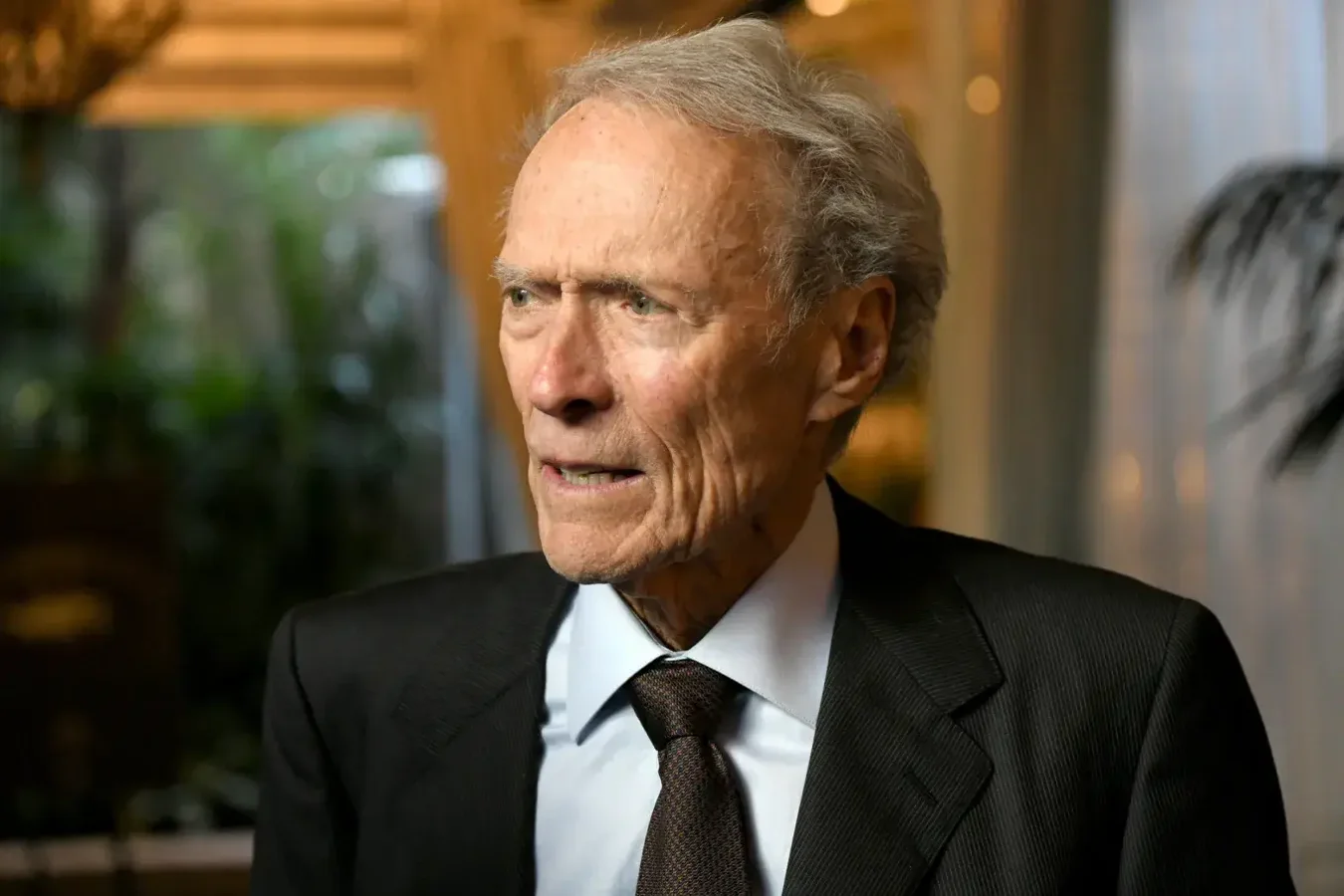
“Do you feel lucky, punk? Well do ya?”
—Clint Eastwood, portraying Harry Callahan
Return to Western Roots with a Twist in the 1980s
The 1980s featured several notable films for Eastwood, but none showcased his signature Western style better than Pale Rider (1985). Here, he portrayed a mysterious priest with an almost supernatural aura who becomes the last hope for a mining community oppressed by a ruthless baron. This film merged Eastwood’s classic tough-guy image with a new, spiritual element, creating a uniquely compelling character that reaffirmed his position as a Western film star.
A Dark Reflection in the 1990s with Unforgiven
Unforgiven (1992) remains Eastwood’s standout film of the 1990s and arguably his finest Western effort. He took on the character of Will Munny, a former outlaw who reluctantly returns to violence to seek justice after the death of his friend, played by Morgan Freeman. This role was one of Eastwood’s darkest and most complex, portraying a man grappling with his past in a bleak and morally ambiguous world. Eastwood’s own admission that no subsequent Western role could surpass this masterpiece underscores its enduring impact on his career.
Critical Acclaim with Million Dollar Baby in the 2000s
In the 2000s, Eastwood continued to excel not only as an actor but also as a director, with 2004’s Million Dollar Baby marking a high point. The film tells the story of an aspiring female boxer played by Hilary Swank, with Eastwood acting as her mentor. While Eastwood’s acting performance was solid, his direction was widely celebrated, earning him the Academy Award for Best Director and the film the Best Picture Oscar. This movie represents a departure from his Western roots into a more dramatic and emotional narrative.
A Slower Pace and New Challenges in the 2010s
After a prolific career, Eastwood slowed down in the 2010s, appearing infrequently on screen. His only major acting role in the decade was in 2012’s Trouble with the Curve, a baseball drama where he starred alongside Amy Adams and Justin Timberlake. Though it may not be considered one of his best works, the film allowed Eastwood to show his talents as a weathered but endearing tough character, blending gruffness with vulnerability in a new setting.
A Modern Western Undertaking in the 2020s
In the 2020s, Eastwood has taken on very few roles, with Cry Macho in 2021 being the only significant film so far. Returning once again to the Western genre, this movie depicts a road-trip story involving an elderly man smuggling a young Mexican boy across the Texas border. Despite being 91 years old during production, Eastwood’s direction remained sharp, and his acting continued to exhibit emotional depth, though physical action was understandably limited by his age. This film showcases Eastwood’s continued dedication to telling compelling stories well into his ninth decade.
Enduring Legacy Through Decades of Cinema
Clint Eastwood’s career spans over seven decades, showcasing his ability to adapt and thrive across many film styles, roles, and eras. From his early days in modest Westerns to becoming a global icon through Sergio Leone’s films, Eastwood moved to shape the film industry as a director and actor. His best movies, chosen from each decade, reflect not only his evolving talents but also his commitment to redefining classic Americana, whether through Western epics, police thrillers, or heartfelt dramas. Eastwood’s work has influenced countless actors and filmmakers, ensuring his legacy will endure as a towering figure in cinema history.
