
Dreamcatcher marked the return of Morgan Freeman to Stephen King adaptations almost ten years after his acclaimed role in The Shawshank Redemption. Released in 2003, the movie’s commercial failure significantly slowed the production of Stephen King films for many years. Stephen King’s stories had been popular on screen since Brian De Palma’s successful 1976 adaptation of Carrie, which sparked decades of film and television renditions of the author’s work.
Although Stephen King disliked Stanley Kubrick’s version of The Shining, the 1980 film became a classic, leading to a steady stream of King adaptations through the 1980s and 1990s. During this time, it was rare for a year to pass without a major King-related movie or miniseries hitting theaters or TV. However, by the early 2000s, the frequency of King adaptations dwindled noticeably.
While smaller King movies such as Apt Pupil and Hearts in Atlantis were released quietly, Warner Bros had larger ambitions with Dreamcatcher, based on King’s sci-fi horror novel. The plot centers around four childhood friends on a hunting trip in Maine whose reunion turns dangerous when alien forces and a sinister military operative intervene.
Morgan Freeman’s Role in Dreamcatcher and the Film’s Underwhelming Performance
Dreamcatcher is remembered not only as Timothy Olyphant’s sole Stephen King adaptation but also for featuring Morgan Freeman as the villain. Freeman’s star power rose sharply after The Shawshank Redemption, making his involvement in a King project highly anticipated. However, the film failed to replicate the warmth or depth Freeman brought to his earlier role as Red.
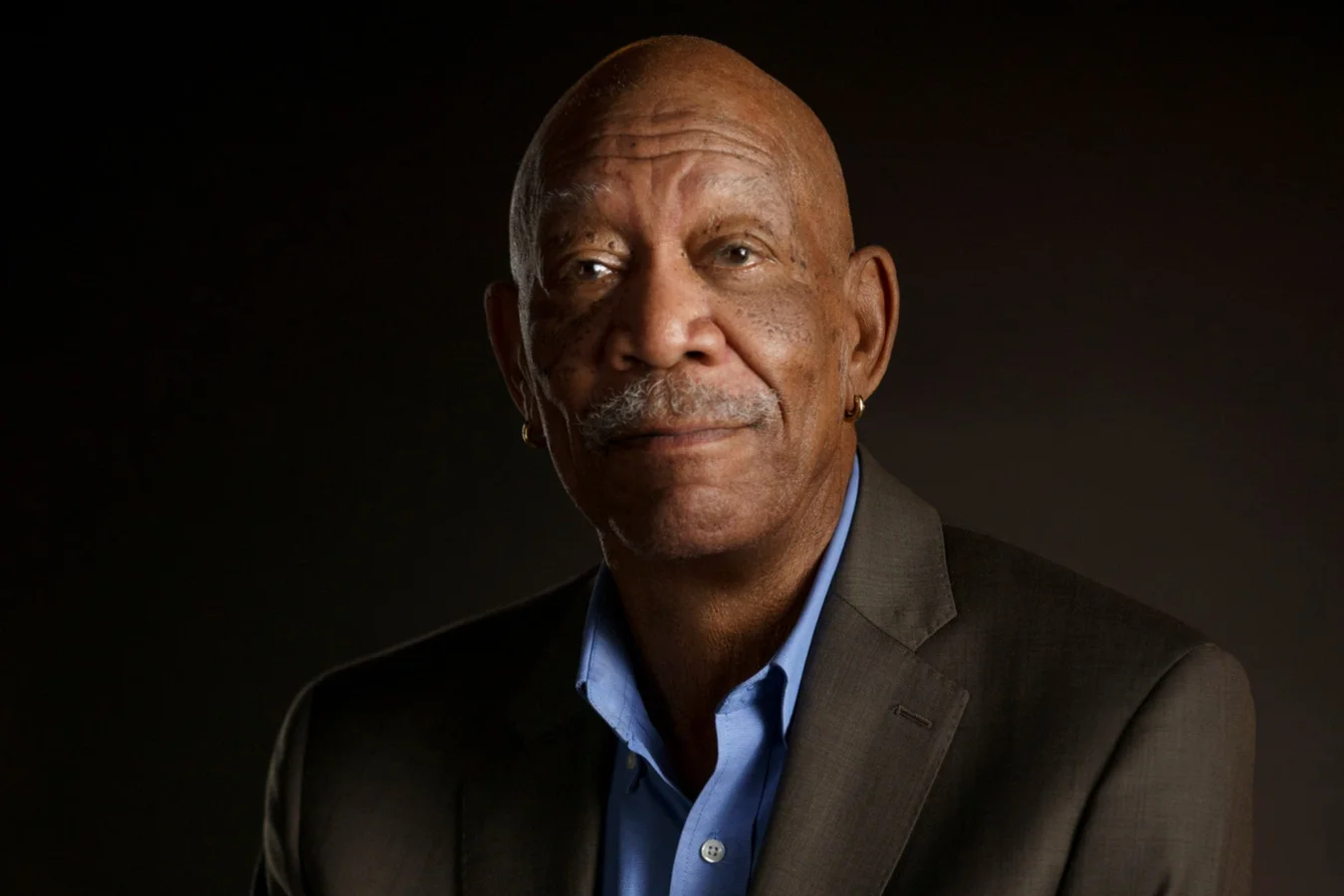
Freeman’s screen time in Dreamcatcher was limited, and his portrayal of the cold and violent Colonel Curtis was widely seen as detached and lacking the charisma expected of such a character. Despite strong casting and the promise of blending the nostalgic friendship tale like Stand by Me with alien sci-fi horror reminiscent of Aliens, Dreamcatcher flopped financially. It grossed just over $81 million worldwide, which, when adjusted for inflation, equates to roughly $152 million. Given its estimated $70 million budget, the movie provided a poor return on investment for Warner Bros.
Critics were harsh on Dreamcatcher, which holds a low 27% rating on Rotten Tomatoes. King himself was also unimpressed, a reaction that reflects his distaste for the source novel. Written under physical duress while recovering from a serious 1999 accident, the book’s flaws translated into a disjointed and uneven film adaptation.
The Aftermath: A Long Pause in Stephen King Film Productions
The failure of Dreamcatcher had a chilling effect on both its director Lawrence Kasdan’s career and Stephen King’s presence in cinemas. Kasdan, known for movies like The Big Chill, directed only one film after Dreamcatcher, signaling a career slowdown. Meanwhile, the production of King adaptations notably declined compared to the consistent output seen before 2003.
The next King adaptation to appear theatrically was Secret Window, featuring Johnny Depp, but it was actually filmed before Dreamcatcher’s release. Following that, Riding the Bullet barely reached audiences and performed poorly, leading to a three-year gap with no new King movies in theaters. Although television adaptations such as the 2004 Salem’s Lot and the series The Dead Zone kept King’s work on screens, the momentum in cinema largely stalled.
This lull suggested a wider sense of “Stephen King fatigue” among audiences and filmmakers alike, possibly caused by a spate of lackluster King films. A break from the material seemed necessary until the big revival came with the commercial and critical success of IT: Chapter One in 2017. This resurgence led to renewed interest in King properties, spawning recent films like Doctor Sleep, Pet Sematary, and The Boogeyman, with adaptations of The Running Man and The Long Walk planned for 2025.
The Cast’s Disillusionment with Dreamcatcher’s Screenplay
Thomas Jane, who plays the central character Dr. Henry Devlin in Dreamcatcher, disclosed details on The Kingcast podcast about a tense moment during a script reading with the cast, including Morgan Freeman. Director Lawrence Kasdan organized a staged reading where the actors gathered in a hotel room to go through the entire screenplay aloud. According to Jane, the experience left Freeman visibly frustrated.
Larry [Kasdan] wanted to have a stage reading where all of the actors got together and we all sat around in a little room at the hotel and we read the script. And there’s Morgan Freeman, and [Tom] Sizemore, and [Timothy] Olyphant, and [Damian] Lewis, and we’re reading this thing, you know, actors in a room with a director read the story. And we read the whole damn thing from beginning to end, it takes longer reading for some reason, it took us like 3 hours. And at the end of it, finally, we finish the damn thing. Morgan Freeman closes his script and goes, “What the f*** was that?”
—Thomas Jane, Actor
Freeman’s pointed reaction during the reading hints at his disappointment, which may explain his lackluster and detached performance as Colonel Curtis in the final film. His uneasy presence and peculiar appearance, including his prominent eyebrows, distracted rather than imposed the menace the role demanded.
Why Dreamcatcher Warrants a Fresh Adaptation
Dreamcatcher’s source novel suffers from the physical pain King endured during its writing, resulting in a sprawling, inconsistent narrative. The film adaptation mirrors these weaknesses, shifting erratically from intimate drama to graphic body horror and chaotic military action, lacking a coherent tone or rhythm.
Nonetheless, Dreamcatcher contains imaginative concepts and chilling moments that deserve a better treatment. One of the film’s strongest sequences is a tense, disturbing bathroom scene where a protagonist faces a snake-like alien, capturing an effective blend of horror and dark humor. Additionally, the portrayal of the four childhood friends and their bond remains deeply affecting. The novel’s exploration of Jonesy’s mental struggle, trapped within his own memory palace while possessed by an alien, offers compelling psychological horror potential.
More than two decades have passed since the original film, and with the emergence of talented horror filmmakers like Mike Flanagan and Osgood Perkins, a tighter, darker, and more focused adaptation could finally do justice to the story. As nearly every Stephen King property continues to be revisited and adapted, leaving Dreamcatcher behind would overlook a rich and unique part of his legacy.
