
At the Busan International Film Festival, Guillermo del Toro expressed deep admiration for the work of Korean directors Bong Joon Ho and Park Chan-wook, highlighting their unique storytelling approach that blends cultural insight with complex narratives. Del Toro praised Bong’s films for their distinctive perspective, underscoring the impact of Bong Joon Ho cinema praise across global audiences.
Del Toro Celebrates the Depth of Bong Joon Ho’s Storytelling
During the press event in Busan, del Toro singled out Bong Joon Ho’s movie Memories of Murder as an exemplary piece that defies conventional crime dramas. He described it as
“not an American procedural about a crime — it’s an existential, deep meditation and an imperfect investigation by imperfect police that themselves are corrupt.”
This highlights Bong’s ability to weave chaos, poetry, and horror into a cinematic experience deeply rooted in Korean culture.
Del Toro emphasized what he called a “great kinship” with Bong, particularly admiring The Host and its creature designs. He said,
“He uses it to talk about the society of Korea and the family life of Korea. So he’s talking about specifically the culture, which is what I do.”
This connection demonstrates the shared focus both filmmakers have on exploring their cultural identities through genre cinema.
Admiration for Park Chan-wook’s Unique Romanticism
Del Toro also lavished praise on Park Chan-wook, calling him
“one of the most beautiful, desperate, existential romantics in cinema.”
He clarified that this romanticism is not about idealized affection but rather a belief in
“the doom, the gloom, the existential darkness of romanticism,”
identifying Park as a kindred spirit. This remark underlines the emotional depth and philosophical undertones present in Park’s films.
Korean Cinema’s Commitment to Cultural Authenticity
Highlighting the distinctiveness of Korean films, del Toro noted their dedication to preserving cultural specificity instead of tailoring content for American audiences. He said,
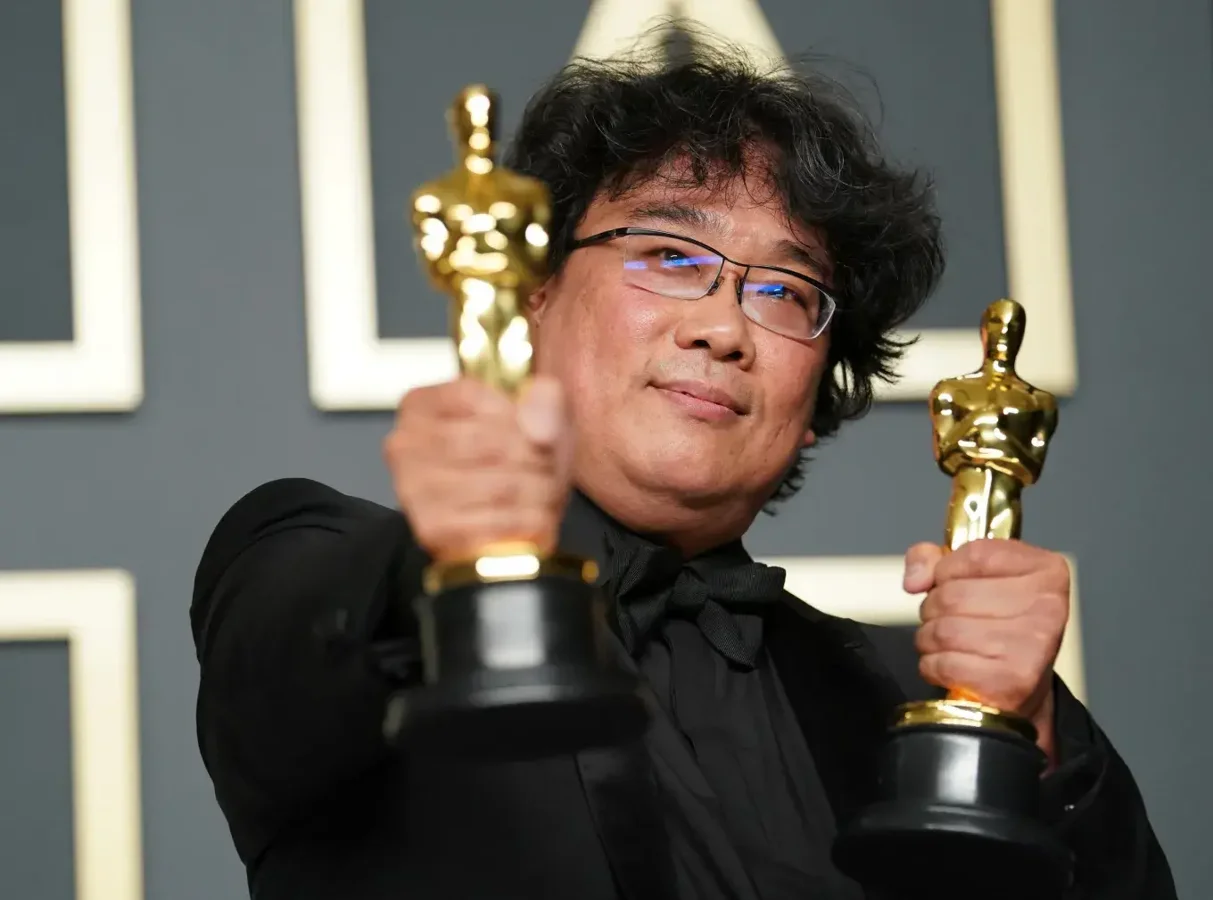
“There is a position about the genre that doesn’t make them commercial for an American market. They make them unique to Korea,”
before adding that he turns to Korean movies
“every time I want to feel a little more alive.”
This commitment to authentic storytelling elevates Korean cinema’s global reputation.
He cited titles such as I Saw the Devil and Train to Busan as further examples of Korean filmmaking vitality, praising their avoidance of the simple good-versus-evil narrative common in American films. Instead, these works explore more nuanced moral complexity.
Connecting Mexican and Korean Genre Cinema Through Cultural Identity
Del Toro drew parallels between his own Mexican heritage and the Korean cultural context in their films, both utilizing genre elements and monsters to delve into identity. He reflected,
“When they say, ‘What is Mexican about your movies?’ Me, I’m very Mexican, and my movies have that same slant.”
This reveals how both filmmakers use cinematic motifs to express personal and societal themes.
Personal Insights on His Frankenstein Adaptation
Discussing his upcoming film adaptation of Frankenstein, del Toro shared that it represents a deeply autobiographical vision shaped by his perspective as a 60-year-old Catholic Mexican man, contrasting with Mary Shelley’s original teenage Protestant English viewpoint. This version confronts themes of forgiveness and human imperfection which del Toro considers increasingly vital today.
He observed,
“We live in a time where we have polarized everything into completely good or completely bad, and there’s no oxygen for humanity in those two sides.”
He added,
“We all exist in the middle,”
suggesting his film aims to explore this nuanced human reality.
