
James Gunn’s portrayal of a flawed Superman has revitalized the DC cinematic universe by moving away from flawless archetypes and presenting heroes with relatable human weaknesses. This shift, seen in the latest film, contrasts sharply with previous DC movies and has captured audience interest in 2024.
How Flaws Became the Key to Superman’s Success
Superman has long been depicted as an idealized figure—invincible, morally perfect, and distant from everyday struggles. Since the Golden Age, characters like Superman, Batman, and Wonder Woman were written as near-gods, possessing powers and qualities far beyond human limitations. For instance, the original Man of Steel was shown juggling planets, while Batman was the greatest detective on Earth. Wonder Woman was even portrayed as a literal goddess.
Marvel Comics, on the other hand, structured their superheroes around human flaws. Spider-Man’s powers came with financial and romantic troubles, the Hulk’s immense strength brought unintended destruction, and Wolverine’s healing abilities masked deep personal traumas inflicted by government experiments. Marvel’s flaws made their characters easier for audiences to relate to, contrasting with DC’s distant, godlike heroes.
Legacy of Perfection in DC Storytelling
DC maintained its archetypal approach thanks to influential writers like Grant Morrison, who elevated characters such as Batman and Superman to divine status. Zack Snyder’s interpretation in the DC Extended Universe (DCEU) reinforced this mythic portrayal, particularly in films like “Batman v. Superman,” where Superman is cast as an alien messiah figure. In this film, Lex Luthor explicitly compares Superman to a god who cannot be entirely good, emphasizing the character’s mythic aura rather than human vulnerability.
Snyder’s vision presented superheroes as mythic icons, a style that earned passionate followers but ultimately alienated wider audiences. Critical backlash began with “Batman v. Superman,” and despite the positive reception of Snyder’s Justice League cut, the DCEU struggled to recover, eventually fading away as the cinematic universe lost momentum.
Introducing a Vulnerable Superman
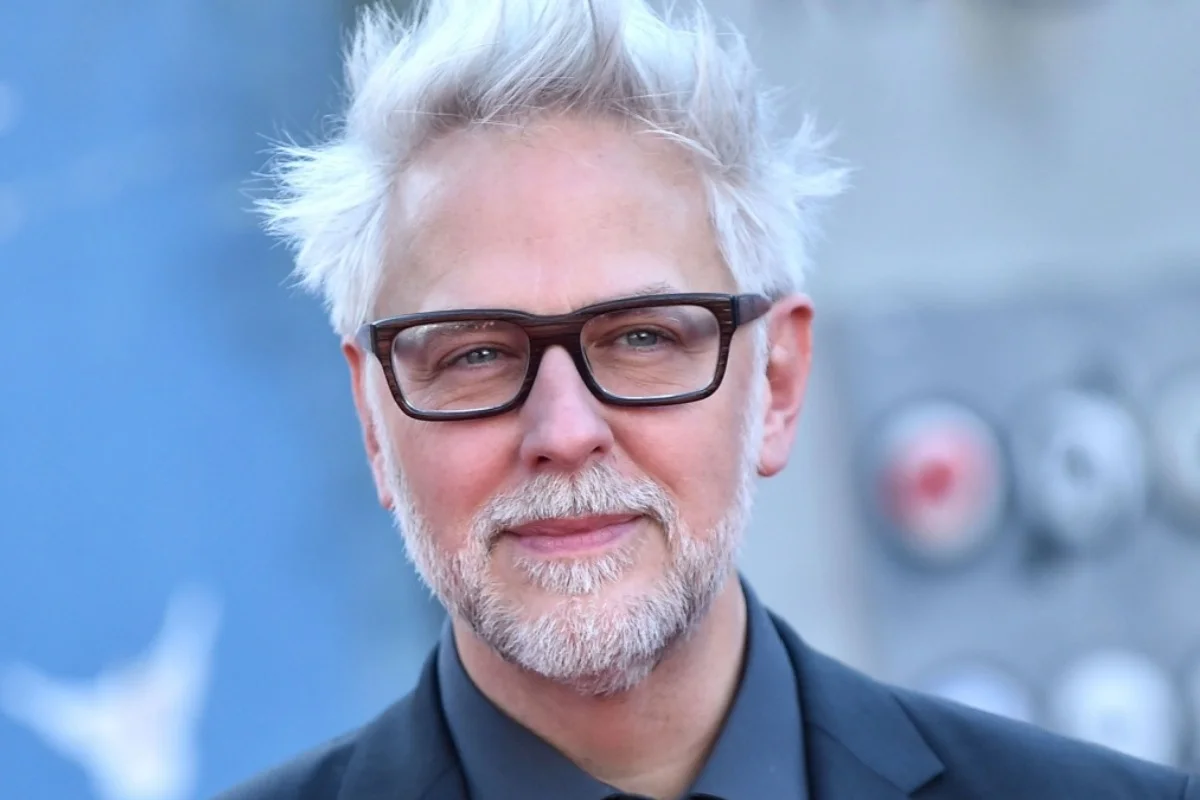
James Gunn took a different creative route by showing Superman not as an untouchable deity but as a deeply flawed and emotionally complex individual. In the recent film, Superman faces physical defeat—losing in battles against a clone controlled by Lex Luthor—and emotional challenges, such as grappling with online hatred and the revelation of his biological parents’ dark intentions to conquer Earth.
Other heroes in Gunn’s DC universe also reflect human imperfections. Guy Gardner is portrayed as egotistical and self-promoting, while Hawkgirl exhibits signs of apathy and even ruthlessness. Yet none of these flaws overshadow Superman’s candid admission of fear and failure, which resonates strongly with viewers. During a confrontation with Luthor, Superman delivers a heartfelt speech acknowledging his ongoing struggles and asserting that his humanity, imperfections included, constitutes his greatest strength.
“His humanity is his greatest strength.” ?James Gunn, Director
Why Audiences Connect with Flawed Heroes
This version of Superman struck a chord because it presented a hero who feels accessible and genuine rather than a transcendent god from a distant realm. Viewers embraced a protagonist who shares insecurities and moral conflicts, making the story more compelling and believable. Unlike Zack Snyder’s aloof approach, which emphasized elevated mythic narratives, Gunn’s grounded heroes invite empathy and personal connection.
Had the earlier DCEU taken this approach, it might have avoided its downfall caused by overly serious tones and inaccessible depictions of perfection. Instead, the universe suffered under the weight of its own pretensions, limiting its appeal beyond a core fanbase.
The Significance of Embracing Imperfection in DC’s Future
The previous DC cinematic universe is effectively defunct, but James Gunn’s vision has injected new vitality by humanizing its heroes. By discarding the long-standing tradition of portraying characters as godlike icons, Gunn has crafted a universe filled with heroes who mirror the complexity and vulnerability of real people. This creative choice has breathed fresh life into the DC stories and offers a promising new direction.
Ultimately, the success of Gunn’s Superman underscores a vital lesson: embracing flaws is essential to capturing the true essence of humanity, and only through this acceptance can heroes genuinely inspire and protect. This evolution may mark the beginning of a more relatable, engaging era for DC’s cinematic narrative.
