
James Cameron, the acclaimed director behind the original Terminator saga, is facing challenges as he attempts to create a new James Cameron Terminator film. Now 71 years old, Cameron remains active not only in filmmaking but also in his passion for underwater exploration. Recently, inspired by ongoing developments in artificial intelligence and technology, he announced plans to develop another chapter in the Terminator franchise, a series he launched over four decades ago.
James Cameron Returns to the Terminator Universe Amid Creative Challenges
The 1984 release of The Terminator transformed James Cameron from a relatively unknown Canadian filmmaker into a cinematic powerhouse, while Arnold Schwarzenegger emerged as an iconic star. The sequel, Terminator 2: Judgment Day, released seven years later, set new standards for action films and portrayed a dystopian future shaped by uncontrollable technology. Despite the intense cultural impact of these films and similar science fiction themes in literature and cinema, society has struggled to internalize their warnings.
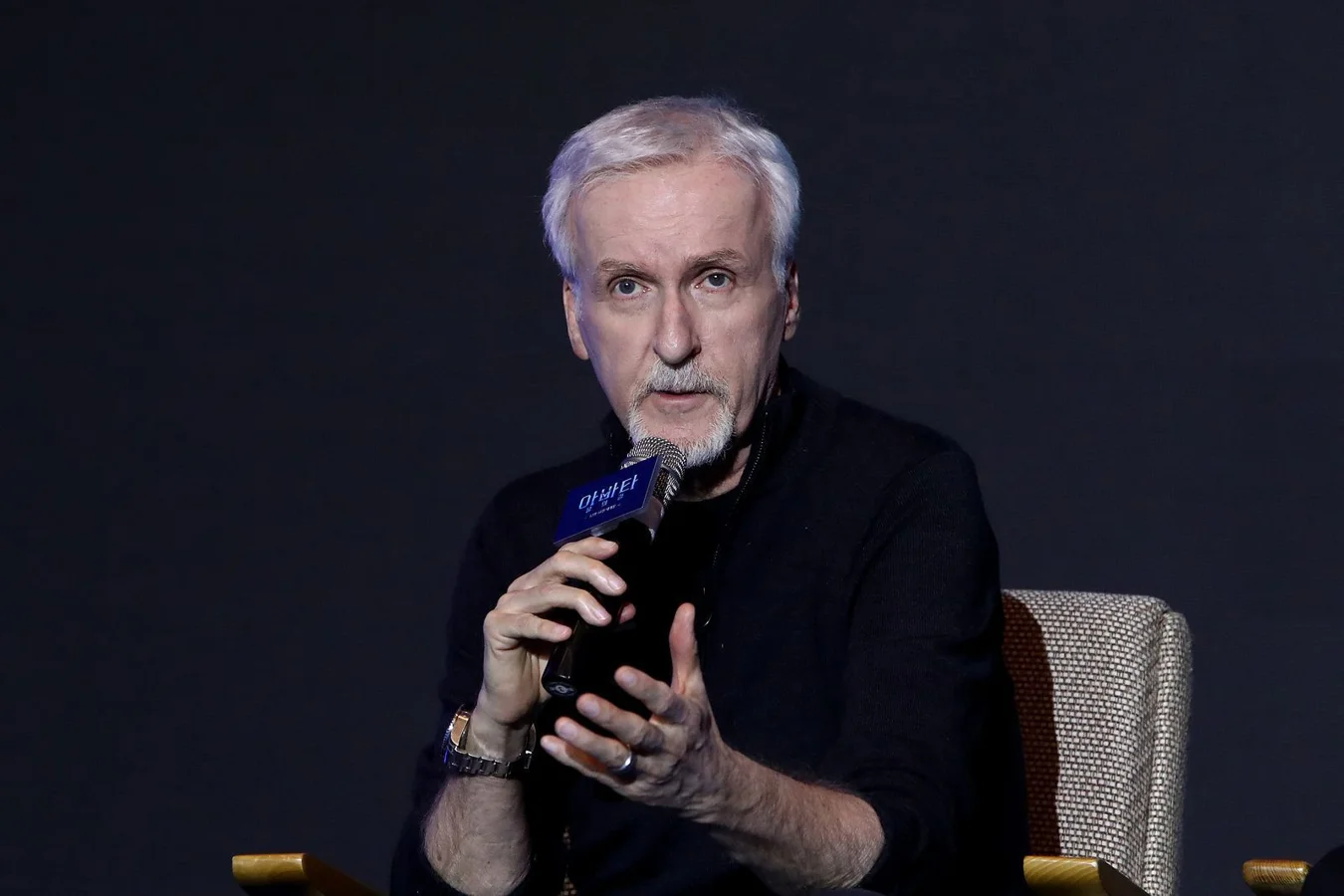
James Cameron has now begun writing a new installment in the Terminator series, potentially featuring fresh characters, but admits to facing difficulty due to the relentless pace of real-world events. In an interview with CNN, he expressed the challenge of keeping the story relevant:
I don’t know what to say that won’t be overtaken by real events,
Cameron explained. He further described the present time as resembling a science fiction scenario, with powerless individuals fighting to survive without institutional support, while grappling with the emergence of AI:
You’ve got powerless main characters fighting for their lives, who get no support from existing power structures and have to circumvent them but somehow maintain a moral compass. And then you throw AI into the mix,
he added, indicating the complexity of crafting a compelling narrative under these conditions.
The Declining Reception of Recent Terminator Projects and Their Impact on the Franchise
Despite James Cameron’s reputation for overcoming creative obstacles, extending the Terminator franchise has proven problematic. While Titanic and Avatar defied expectations with massive success, the newer Terminator films following Judgment Day have failed to meet fans’ hopes. Each sequel has undermined the lasting impact of Cameron’s landmark films by altering key storyline elements and continuity.
Though Terminator Salvation and Terminator Genisys achieved moderate box office success, the stark disappointment in Terminator: Dark Fate—despite Cameron receiving a story credit—revealed that audiences have grown wary. The franchise’s diminishing returns suggest the public is no longer convinced by new entries in a series that once captivated with its vision and intensity. Cameron himself appears to recognize this, signaling that pushing the franchise further might dilute its legacy rather than enhance it.
Why Cameron’s Creative Struggles Reflect Broader Challenges for the Series
Cameron’s admitted writer’s block highlights the difficulty of producing meaningful science fiction when reality is evolving rapidly, often surpassing fictional depictions. As he pointed out, the ongoing technological developments and societal concerns that inspired the original films are unfolding before everyone’s eyes. This limits the room for innovation or fresh perspectives in a new Terminator feature, since any attempt may quickly become outdated or redundant.
Moreover, Cameron’s prior cautionary insights on unchecked technological advancement and humanity’s vulnerability remain influential and relevant decades after their introduction. A new film would need to either anticipate future challenges or revisit past themes with a fresh lens to resonate effectively, a difficult balance given the current landscape.
With James Cameron heavily invested in numerous planned Avatar sequels, the chance to develop an original, visionary project outside the Terminator universe narrows. His reported interest in adapting Ghosts of Hiroshima, a project exploring the devastating impact of World War II bombings, aligns with his pattern of tackling large themes about technology and mass destruction. This direction could mark his next significant creative endeavor.
Remembering the Original Terminator Cast and Their Roles
- Michael Biehn
- Linda Hamilton
- Lance Henriksen
- Paul Winfield
These actors helped establish the characters that defined the early Terminator films and contributed to the franchise’s initial success. Their performances remain integral to the series’ identity, underscoring the challenge of trying to recreate that impactful storytelling today.
James Cameron’s ongoing efforts to revisit the Terminator franchise highlight a tension between creative ambition and the rapid pace of contemporary realities. While his foundational work on the series remains influential, the current landscape presents obstacles that may be difficult to overcome. As Cameron continues to explore new projects, particularly with the Avatar sequels and Ghosts of Hiroshima, it remains to be seen if the Terminator universe will be revived with the same power or deemed a chapter best left closed.
