
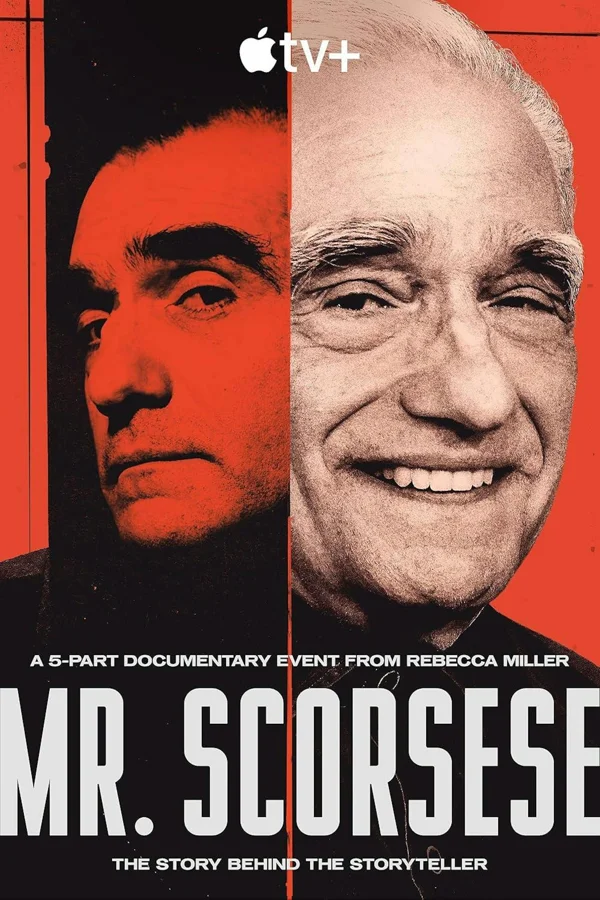
Martin Scorsese has built a remarkable legacy over his seven decades as a filmmaker, yet Rebecca Miller’s new documentary series Mr. Scorsese offers fresh Martin Scorsese career insights by revealing moments of struggle and harsh judgment that shaped his early path. The series highlights how Scorsese’s mentor, John Cassavetes, sharply criticized his second film, Boxcar Bertha, challenging him to pursue a more authentic artistic vision.
The Influence of John Cassavetes on Independent Cinema
John Cassavetes, known as a pioneer of independent filmmaking, became a guiding figure for emerging directors seeking creative freedom outside Hollywood’s studio system. Cassavetes financed his intense, personal dramas like A Woman Under the Influence and Opening Night by acting in mainstream movies rather than compromising his vision. He served as a moral compass and inspiration for Scorsese, as noted by Jay Cocks, a close collaborator of Scorsese, who called Cassavetes “Marty’s patron saint.” Scorsese regularly referenced Cassavetes’ films such as Shadows and Faces as key examples of independent filmmaking done with unflinching honesty.
After graduating from New York University’s film school, Scorsese worked tirelessly to gain support, directing his debut feature, Who’s That Knocking at My Door. At the same time, his admiration for classic Hollywood and the desire to work with big stars pushed him to learn from producers like Roger Corman, who famously taught young directors how to handle tight budgets and schedules. Scorsese’s early trajectory combined this indie inspiration with a pragmatic entry into genre filmmaking.
Harsh Criticism from Cassavetes on ‘Boxcar Bertha’
In 1972, Roger Corman gave Scorsese the opportunity to direct Boxcar Bertha, a crime thriller set during the Great Depression that echoed the style of Bonnie and Clyde. Despite the film’s modest B-movie status, Scorsese meticulously storyboarded every scene, demonstrating his dedication. The movie starred Barbara Hershey and David Carradine, portraying union leaders battling a corrupt railroad corporation.
For Scorsese, directing Boxcar Bertha was a crucial milestone. Reflecting on this period, he recalled,
I was so happy I didn’t get fired,
highlighting the vulnerability and uncertainty he felt after being relieved from directing The Honeymoon Killers. Yet, his colleagues reacted with a mix of disappointment and suspicion, as he explained:
It was as if I caught a disease or something,
showing how they felt he had compromised his artistic integrity by working on a commercial project.
Seeking validation, Scorsese showed the film to John Cassavetes, hoping for encouragement. Instead, Cassavetes bluntly rebuked him:
You just spent a year of your life making a piece of shit.
He urged Scorsese not to repeat such a compromising venture and encouraged him to return to the raw, personal storytelling seen in Scorsese’s debut. This confrontation pushed Scorsese to move on quickly to the semi-autobiographical Mean Streets, which established a lifelong collaboration with Robert De Niro and confirmed his voice in cinema.
Learning From Failure: How ‘Mean Streets’ Marked a Turning Point
The documentary Mr. Scorsese highlights Boxcar Bertha not merely as an early effort but as a crucial turning point that revealed Scorsese’s insecurities and his complex relationship with acceptance—both from Hollywood and his mentor. Feeling alienated and caught between the studio system and his artistic ideals, Scorsese’s experience with this film underscored the challenges he faced as a filmmaker trying to find his own path.
Cassavetes’ severe criticism was less a condemnation and more a provocative challenge. Recognizing Scorsese’s extraordinary potential, the independent filmmaker wanted to ignite a commitment to authenticity and personal vision rather than crafting formulaic genre films dictated by producers like Roger Corman. This moment spurred Scorsese to embrace stories rooted deeply in his own background and identity, such as the Italian-American environment depicted in Mean Streets and later in films like Goodfellas.
Scorsese’s determination to tell stories that resonated with his upbringing led him to reject compromises, as seen in an anecdote during Mean Streets pre-production when he declined Corman’s offer to finance the film if it was cast as a blaxploitation movie. Instead, Scorsese insisted on portraying the authentic experiences of the Manhattan Italian-American community he knew intimately. From then on, every project he chose reflected his personal connection to the material, whether working on large productions like The Color of Money or smaller, more intimate films.
Today, Boxcar Bertha remains available to stream in the U.S. on Kanopy, serving as a reminder of the trials Scorsese endured and the lessons that shaped his illustrious career.
Principal Cast of ‘Boxcar Bertha’
Barbara Hershey starred as the titular Boxcar Bertha, delivering a performance that anchored the film’s union-rebellion narrative.
David Carradine portrayed Big Bill Shelly, a key figure in the film’s depiction of working-class struggle against corporate oppression.
