
Director Jon M. Chu is once again stepping into the fantastical world of Oz with the upcoming release of Wicked: For Good, set to hit theaters and IMAX on November 21. Building on the success of the first film—starring Cynthia Erivo and Ariana Grande, which garnered 10 Academy Award nominations and won two—Chu takes audiences deeper into the complex journey of Elphaba and Glinda. The sequel explores darker themes and heightened stakes, continuing the beloved story while trusting that fans are ready to embrace this evolution in the saga.
Overcoming Challenges in Building the ‘Wicked’ Cinematic Universe
Adapting the cherished stage musical Wicked into two feature films was a monumental creative choice for Jon M. Chu, marked by substantial pressure and critical decisions long before filming even began. Chu reflects on the intense weeks leading up to the first film’s release, a period when the weight of early choices and their consequences loomed large. The decision to produce not one but two movies initially met with skepticism, yet Chu was convinced this was necessary to capture the essence of Wicked on screen.
Casting was another vital hurdle. Chu describes discovering the formidable talents of Cynthia Erivo and Ariana Grande, despite Grande having never led a film before. Their casting was foundational, setting the emotional tone and authenticity of the entire project. Chu also details the painstaking efforts put into visual and set design, including the challenge of making a single dorm room simultaneously intimate and expansive enough to support musical numbers and multiple scenes. The film’s creation demanded relentless focus and coordination among the thousands contributing to its production.
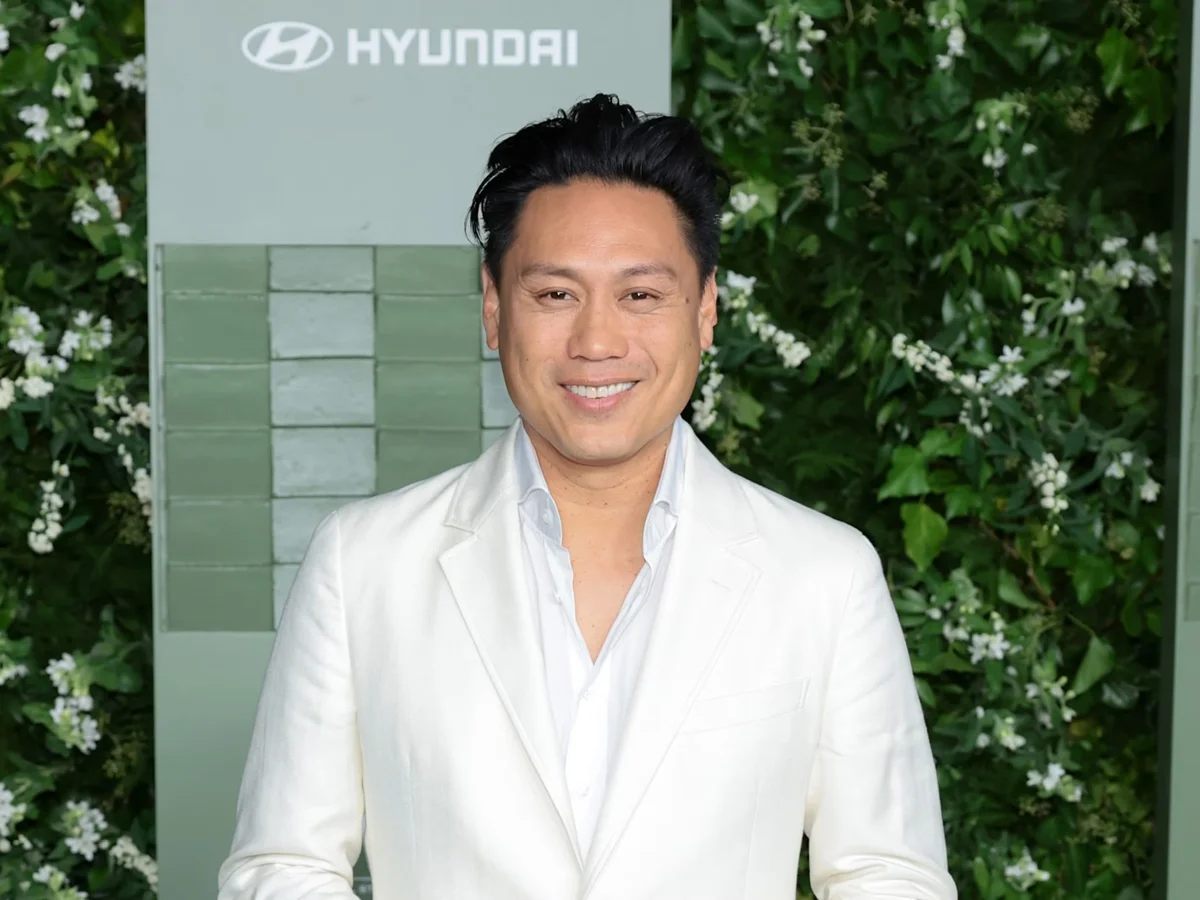
“Let’s just do the work like we’re all here because we deserve to be here, we don’t have to prove anything. We love this material and this world as much as anybody out there. Let’s protect it. Let’s do the best work we can and turn our backs away from the audience and conduct the orchestra.”
— Jon M. Chu
By the time of the release, Chu had reached a place of acceptance, calming his anxieties about audience reception. The director recalls the mental adjustment from persistent worry to a mindset of surrender: presenting the film as it was meant to be, without further attempts to alter it in response to outside pressures.
Critical Directorial Decisions Shaping Key Film Moments
Chu elaborated on several pivotal choices made during filming that significantly impacted the emotional architecture of both films. One notable example involved the Ozdust Ballroom sequence, which became the film’s emotional fulcrum by repositioning the heart of Elphaba and Glinda’s connection. This shift required breaking away from the original stage musical’s structure and carried the risk of alienating viewers if it failed.
Another major challenge was reimagining the iconic song “Defying Gravity.” Chu and his team broke the song into parts to better serve the cinematic storytelling, including a dramatic scene where Elphaba falls from a window rather than ascending immediately. The expanded space lent deeper emotional weight, but demanded additional resources for stunts and post-production, adding complexity to the shoot.
“Are you allowed to do this to “Defying Gravity”? This is the biggest song, John. Can you actually have this kind of space? And how long of a space can you have before it starts up again?”
— Jon M. Chu
The finale song “For Good” was another emotionally charged moment that Chu approached with cautious restraint. Rather than using grand machinery or elaborate effects, the scene focuses on the raw performances of the leads, highlighting vulnerability in an intimate setting. This decision required absolute faith in the actors’ ability to carry the scene and in the subtlety’s power to conclude the story.
Refining the Story: From Assembly to Final Cut
During post-production, Chu worked simultaneously on both films, pushing for an initial assembly of the full project within a condensed timeline to present to the studio. This was an immense task, juggling numerous musical numbers and mixing sequences that needed to convey the evolving tone of the story.
When editing the second film, Chu had resolved not to be swayed by external notes but to trust his own vision, knowing that viewers familiar with the first film would be ready to dive directly into the narrative. This was a marked contrast to the first movie, where more time was devoted to establishing backstory and guiding audience understanding.
The director sought to deepen character development, especially Glinda’s, whose arc became a central emotional focus in the sequel. He aimed to depict her internal conflict and growth authentically, introducing scenes and songs that reveal the origins of her need for approval and the courage required to challenge her own illusions.
“She needs to pop a bubble. We say it in interviews. Blah, blah, blah, whatever. It doesn’t feel anything. But to look at her and to know that, I want her to see the light so badly. I want her to question this reality so badly, and that she’s complicit, but she’s not unlikable in that complicity.”
— Jon M. Chu
By focusing more intently on the nuanced friendship between Elphaba and Glinda, Chu crafted a film less driven by broad plot mechanics and more by the emotional and psychological spaces between the two leads, even when they are separate onscreen.
Envisioning a Unified Theatrical Experience
Looking ahead, Jon M. Chu imagines the possibility of presenting both films consecutively as a singular epic screening, with a brief intermission—one matched symbolically to Oz’s clock striking thirteen minutes after the hour. This cinematic marathon would offer fans a comprehensive journey, enhancing appreciation for the story’s full scope and emotional depth.
Chu also confirmed the existence of deleted scenes and additional footage not included in the initial theatrical cuts. While he believes the released films hold all necessary narrative elements, some unused material could enrich home video releases. One example from the first film involves a powerful train scene depicting a confrontation between Elphaba and her father, which highlights complex character dynamics but was cut to maintain pacing toward Emerald City.
“She’s going to do great when she meets the Wizard.”
— Character in deleted train scene (referenced by Jon M. Chu)
The director notes that completing these scenes requires substantial visual effects work, which is financially intensive. However, preserving and sharing this content remains a priority for future releases, aiming to satisfy fans eager for a broader view of the story.
Lessons in Collaboration and Creativity from Chu’s Early Career
At the 2025 SCAD Savannah Film Festival, where he received the Vanguard Director Award, Chu reflected on the foundational importance of community in his own creative development. He emphasized the invaluable support network of peers and mentors that helped him during his formative years, including Alice Brooks, his longtime collaborator and director of photography since his student films.
“I need a couch to sleep on,”
— Jon M. Chu, recalling moments of reliance on friends during filmmaking
Chu highlighted that this collaborative spirit continues to be essential throughout the demanding process of producing large-scale movies, as shared trust and mutual encouragement fuel perseverance.
Deepening the Emotional Core of the ‘Wicked’ Sequel
For Wicked: For Good, Chu is focused squarely on the development of Elphaba and Glinda, aiming to showcase a more complex emotional landscape than the “university years” depicted previously. This installment explores themes of shattered illusions, redemption, and the fragile bonds of friendship amid societal and personal upheaval.
The film incorporates familiar characters such as Dorothy and others from the Wizard of Oz universe, but places them in a context where the stakes are considerably more profound and intertwined with the personal growth of the two leads. Chu believes this message resonates deeply with today’s world, especially amid widespread misinformation and division.
“We have to make this movie. The movie business needs this movie. Musical movies need this movie. Romantic comedies need this movie. The world, America, needs this movie.”
— Jon M. Chu
He describes Wicked: For Good as a narrative about hope and forgiveness, offering audiences a chance to reconnect with one another through the enduring power of fairy tales and shared humanity.
Final Adjustments and Reflections on Letting Go
Chu recalls the emotional complexity of reaching wrap on the project after years of immersion. Leaving the editing rooms in both London and Los Angeles, relinquishing control, and preparing to share the film with global audiences was a difficult process. He admits that while the movie is complete in form, the journey to fully releasing it into the world still feels unfinished.
Early test screenings of the sequel revealed that audiences were ready to engage immediately, leading Chu to remove a previously planned flashback sequence that revisited pivotal moments from the first film. This decision freed the sequel to dive directly into the unfolding story, confident viewers would bring the necessary emotional context with them.
“We don’t need to go back. We lived it. We have been processing that. Now let’s move forward.”
— Jon M. Chu
Thinking Ahead: Chu’s Vision for the Future
Having reached a significant milestone with Wicked, Jon M. Chu looks forward with gratitude and sustained curiosity. He acknowledges how his motivations have evolved over his career, emphasizing the joy and necessity of filmmaking in his life. Regardless of studio mandates or commercial pressures, Chu remains committed to creating films that challenge and inspire him.
With a strong passion for storytelling rooted in personal authenticity, Chu hints at future projects that will continue to reflect his distinctive voice and artistic vision. He embraces the unpredictability of the entertainment industry, ready to meet whatever comes next with resilience and openness.
Wicked: For Good will open nationwide on November 21, promising fans a dramatic, emotional, and visually stunning conclusion to the tale of Elphaba and Glinda’s journey through Oz.
Featured Cast of Wicked: For Good
- Cynthia Erivo: Portrays Elphaba, the Wicked Witch of the West, who continues to fight for animal freedom while confronting her vilified reputation.
- Ariana Grande: Plays Glinda, preparing for her wedding to Prince Fiyero and embodying Oz’s ideal of goodness amid mounting challenges.
- Jonathan Bailey: Stars as Prince Fiyero, Glinda’s fiancé, navigating complex political and personal dynamics.
- Ethan Slater: Reprises the role of Boq, a character intertwined with the central narrative and emotional arcs.
