
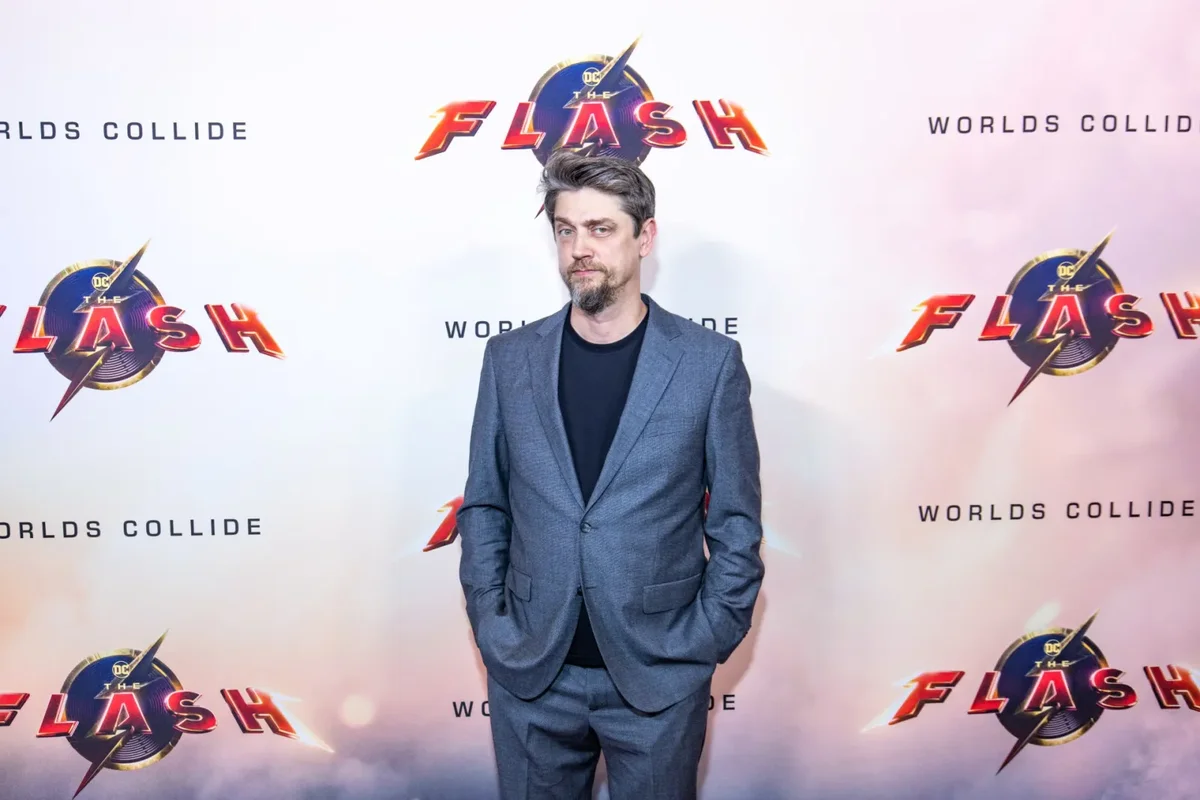
Andy Muschietti IT Welcome to Derry continues Stephen King‘s tradition of interconnected storytelling by seamlessly weaving elements from the broader King universe into HBO’s latest horror prequel. With the show’s premiere, fans are treated to significant crossovers, expanding not just the narrative but also the mythos that links King’s many books and beloved characters in new ways.
Building a Connected Universe for Stephen King Fans
Throughout decades of novels and adaptations, Stephen King has crafted a distinct approach to storytelling by ensuring his fictional settings and characters often cross paths, delighting readers and viewers seeking those meaningful connections. This interconnected framework provides a creative sandbox, allowing both King and his audience to engage with recurring places such as Derry, Shawshank, and Castle Rock, as well as familiar faces like Dick Halloran, first recognized in The Shining as Danny Torrance’s mentor. These elements have traditionally appeared as subtle referrals, enhancing King’s vast literary world for his devotees.
Previous television works, such as Hulu’s Castle Rock produced by J.J. Abrams, showcased this approach by blending motifs and personalities from King’s repertoire to craft original stories. Now, HBO’s IT: Welcome to Derry adopts a similar strategy, highlighting characters like Dick Halloran and iconic settings like Shawshank State Prison, renowned as the home of Andy Dufresne, and expanding their roles beyond mere cameos from the original novels.
Developing Crossovers in IT: Welcome to Derry’s Storyline
In envisioning a previous Pennywise timeline, set in 1962—long before the Losers Club—the creative team behind Welcome to Derry saw a rare opportunity to expand fleeting references from the IT book into richer plot points. Andy Muschietti, the series’ co-creator, executive producer, and director, described these early brainstorming sessions as a collaborative effort involving himself, his sister Barbara Muschietti (also an executive producer), showrunners Jason Fuchs and Brad Caleb Kane, and staff writer Cord Jefferson.
Given that the 1962 storyline concludes with the racially motivated destruction of the Black Spot social club, the writers agreed that Dick Halloran’s presence was necessary. As Muschietti recounted,
“he was there and used his Shine to save some people,”
referencing the brief mention in IT’s second interlude. Muschietti further emphasized,
“That’s about it. And we said, ‘It’ll be such a missed opportunity if we don’t use Dick Halloran. Why not use him as one of the main characters?’”
— Andy Muschietti, Executive Producer
Portrayed by Chris Chalk in the series, Halloran is depicted as an Air Force operative, using his psychic abilities—his Shine—in a clandestine, controversial government project aimed at capturing Pennywise and deploying the entity as a secret weapon during the Cold War.
Muschietti explained the creative handling of Halloran’s expanded arc:
“Even though we don’t tell the story from his perspective at the beginning, he becomes one of the lead characters,”
— Andy Muschietti, Executive Producer.
“And it was a real blast because we got to create a lot of things about a character that is otherwise cryptic. What was this guy like in his younger years? Everyone knows what he’s like from The Shining, but nobody knows how he was 20-25 years before that.”
— Andy Muschietti, Executive Producer.
This reimagining gives Halloran a transformative journey, appealing to the show’s creators because it offers an origin story for the man later seen at the Overlook Hotel.
“We create a very different character that is in a very different part of his life,”
said Muschietti, promising that by the conclusion of the season Halloran’s portrayal will align more closely with his iconic role in King’s later work. He added, Halloran will become
“more recognizable in works like The Shining.”
— Andy Muschietti, Executive Producer.
Honoring King’s Passion for Intricate Interconnections
On a broader level, the inclusion of characters like Halloran and institutions such as Shawshank State Prison are more than simple nods—they reflect the showrunners’ respect for King’s ongoing commitment to interwoven narratives. Muschietti highlighted,
“devotion for mixing things in his work,”
— Andy Muschietti, Executive Producer. The executive producer pointed out that King’s crossovers span multiple novels—such as the brief appearance of Richie Tozier and Beverly Marsh in 11/22/63, and references to Pennywise in the Dark Tower series.
“He also put Richie Tozier and Beverly Marsh in 11/22/63. The guy who travels back in time, [Jake Epping], just sees these kids, and it’s fascinating. Pennywise is also mentioned in one of the Dark Tower books. So it’s part of the spirit of Stephen King. What we’re doing is just continuing with that spirit and being inspired by [his crossovers].”
— Andy Muschietti, Executive Producer.
By infusing their own storylines with these elements, the creators of IT: Welcome to Derry enhance the thrill for observant viewers, allowing audiences to discover connections organically rather than through exposition.
Audience Engagement and the Future of Welcome to Derry
This nuanced approach has been warmly received by viewers who appreciate the challenge of unraveling connections themselves. Muschietti captured this sentiment:
“It’s very stimulating for the audience to try and put the pieces of the puzzle together … When you throw those things out there and people are like, ‘Wait! I’m sure that this guy is going to be the father of that guy if they have the same last name!’ That’s very fun.”
— Andy Muschietti, Executive Producer.
New episodes of IT: Welcome to Derry are broadcast on HBO and stream on HBO Max every Sunday at 9:00 p.m. ET, offering fans continued opportunities to search for Easter eggs and anticipate future storylines. These deliberate King crossovers are poised to deepen the legacy of Stephen King’s interconnected universe, keeping audiences intrigued and engaged with each new chapter of Derry’s enigma.
