
Director Rian Johnson opened up about his religious upbringing and its influence on
“Wake Up Dead Man: A Knives Out Mystery,”
during a packed screening in Century City, offering candid insight into how faith and personal history shaped his latest whodunit. This third chapter, set within the fictional Catholic parish of Our Lady of Perpetual Fortitude, explores faith, forgiveness, and the search for truth, making it Johnson’s most introspective entry yet—a detail deeply tied to the Rian Johnson religious inspiration that threads through the story.
A Mystery Rooted in Faith and Personal History
The buzz following the screening at CAA was palpable as viewers reflected on the movie’s intricate approach to both murder mystery and spiritual examination. Johnson discussed his evangelical upbringing, revealing that although he no longer identifies as a believer, his early years in a Christian household significantly shaped his worldview and creative process, echoing through the narrative of “Wake Up Dead Man.” The film revolves around the young priest Reverand Jud Duplenticy, played by Josh O’Connor, who becomes the primary suspect in the murder of Monsignor Jefferson Wicks, portrayed by Josh Brolin. Seeking truth and redemption, Jud enlists the help of Benoit Blanc, the famed atheist detective played by Daniel Craig, transforming the investigation into a clash of spiritual and rational perspectives.
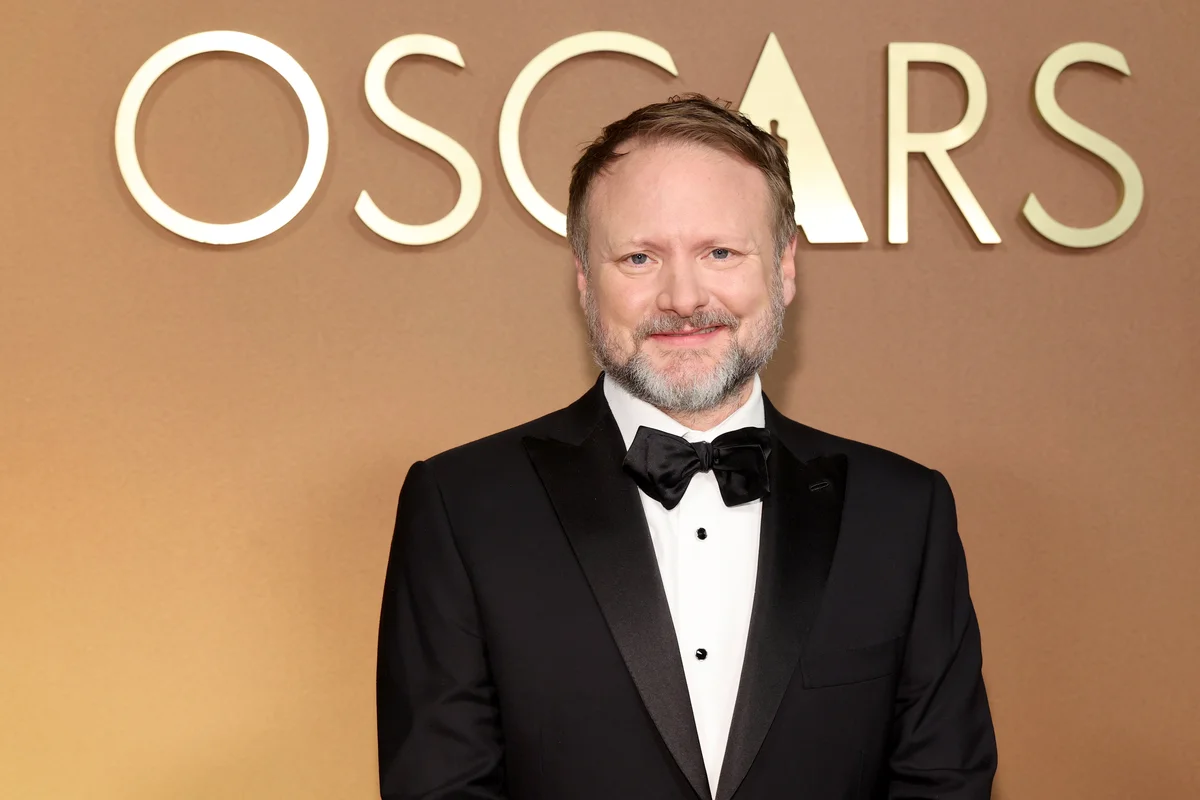
Johnson noted that choosing a Catholic setting, rather than an evangelical one more familiar to him, provided both aesthetic richness and a necessary distance. He explained that the ornate traditions and rituals of Catholicism allowed for layered storytelling that addressed complex ideas about faith, power, and confession without becoming didactic, thus maintaining accessibility for a wide audience.
Weaving Real Experience With Fiction
Although the character of Monsignor Wicks wasn’t lifted directly from Johnson’s past, the director shared that Wicks represents a composite of various authority figures encountered during his religious upbringing. Johnson distilled those experiences into a single figure, providing ample dramatic tension for Brolin to explore, and intensifying the emotional core of the film. In an interview, he explained that the narrative began not with the mechanics of the murder, but with the emotional arcs of Jud and Blanc, allowing for an organic development of the mystery that required supporting elements—like the impossible crime that paid homage to authors such as John Dixon Carr—to fall into place later in the writing process.
Focusing on the evolving dynamic between Jud and Blanc, Johnson crafted their relationship to begin with ideological conflict, especially regarding religion. He recounted how Daniel Craig, who shares the atheist perspective with his character, encouraged making their first confrontation more intense. Craig’s input, Johnson admitted, ultimately shaped the emotional journey of both characters, setting up a relationship that culminates in mutual understanding and growth.
Assembling a Cast to Bring the Story to Life
When building his ensemble of actors, Johnson prefers not to write with specific performers in mind, aiming to avoid disappointment and to keep creative possibilities open. Despite this, the casting of Josh O’Connor emerged through a recommendation by Daniel Craig, who had seen O’Connor’s range in varied roles prior to “Wake Up Dead Man.” Johnson described O’Connor’s performances in films like “Challengers” and “La Chimera” as revelatory, and he was consistently impressed by the actor’s versatility and commitment on set.
The working chemistry between O’Connor and Craig drew praise from Johnson, who likened them to “birds of a feather,” sharing a theatrical discipline and sense of humor that sparked a lively, creative set environment each day. Their rapport off-camera translated into the layered tension and eventual respect seen between Jud and Blanc on screen.
Glen Close’s performance in the film also stood out as a career highlight for Johnson. He described the excitement and nervous anticipation on set when working with the legendary actress, emphasizing her youthful enthusiasm, professionalism, and the inspiration she provided to both her co-stars and the crew. Johnson credited Close with anchoring the film’s emotional finale, managing a complex character arc that transitioned from broad, theatrical expressions to nuanced, precise emotion vital for the story’s resolution.
Authenticity in Time and Place
Unlike many filmmakers who seek timelessness for broader appeal, Johnson deliberately roots the “Knives Out” sequels in the era they are produced, using temporal specificity as a narrative advantage. “Wake Up Dead Man” is set in 2025, a choice that brought both authenticity and subtle references to the contemporary world, like the inclusion of a real Cubs game on Good Friday and contextual mentions surrounding a fictional papal death. Johnson related this approach to Agatha Christie’s original practice of reflecting the current moment in her novels, underscoring his commitment to making each film a snapshot of its respective time.
He argued that the murder mystery format offers a compelling microcosm for exploring contemporary society, with enclosed communities, complex hierarchies, and resonant power dynamics. By situating these dramas in the present, Johnson believes they gain immediacy and relevance—it’s not just about unmasking a killer, but also about dissecting timely themes through the lens of genre storytelling.
The Collaborative Spirit Behind the Scenes
Johnson’s consistent collaboration with a loyal crew—his cousin Nathan Johnson as composer, Steve Yedlin as cinematographer, along with editor and production designer—reflects his belief in creative partnerships formed early in life. He emphasized that the strength of these long-standing relationships is not just familiarity, but a shared willingness to push boundaries, try new ideas, and engage in a continual process of creative reinvention. This sense of camaraderie and shared purpose translates to film sets that Johnson described as “ad hoc families,” where the balance of professionalism and playful experimentation brings out the best in everyone involved.
Balancing Spiritual Themes and Entertainment
In tackling spiritual questions within a genre film, Johnson set himself the challenge of being honest about his complicated feelings toward faith while ensuring the movie remained enjoyable and accessible. He strove to avoid both preaching and neutrality, instead engaging directly and thoughtfully with themes like belief, doubt, confession, and forgiveness. The Catholic setting allowed him to explore universal questions through familiar rituals and imagery, ensuring that audiences from any background could engage with the story on multiple levels.
The interplay between Jud’s spiritual crisis and Blanc’s secular skepticism is at the heart of the film, mirroring larger debates within society about faith and reason. Through Benoit Blanc’s inquiry, viewers witness not only the unraveling of a murder but also a compelling exploration of purpose and morality, with both the detective and the priest forced to reevaluate their core beliefs as the story unfolds.
The Future of the “Knives Out” Series
Despite the success and anticipation surrounding each new entry, Johnson maintains that he doesn’t view “Knives Out” as a traditional franchise. He is careful not to rush sequels, instead waiting for the right creative moment—when a story feels urgent and reflective of the world as it currently stands. This philosophy means the timing and subject matter of future films will continue to evolve alongside Johnson’s own experiences and observations, rather than adhering to a pre-arranged production schedule.
The director’s openness about reacting to current events and societal shifts signals that upcoming “Knives Out” mysteries may also delve into themes resonant to their respective production periods, maintaining the series’ freshness and cultural relevance. Each project, Johnson insists, is not only a continuation but a reinvention, aiming to surprise and challenge both his crew and the audience.
Highlights and Cinematic Joys on Set
Johnson reflected that his favorite moments while making “Wake Up Dead Man” were the ensemble scenes filmed in the parish rectory, where the assembled cast played off each other’s energies, creating unpredictable and vibrant interactions. He compared the film crew to “carnies” or members of a traveling circus, forming temporary but close-knit families where humor and camaraderie were as pivotal as discipline and focus. The sense of community on set, especially during group scenes, reinforced the communal dynamics that the narrative itself explores among suspects and investigators alike.
This film, more than his previous work, involved extensive banter and improvisation among the actors, particularly between Craig and O’Connor, which enhanced both comedic and dramatic beats throughout production. Such spontaneity, Johnson explained, contributed to a genuine atmosphere that is palpable in the finished product.
A New Standard for the Murder Mystery Genre
By drawing from his own spiritual history, Johnson elevates
“Wake Up Dead Man: A Knives Out Mystery”
beyond a conventional whodunit, crafting a story where the solving of a crime becomes an occasion for deeper reflection on meaning, morality, and reconciliation. His willingness to address faith and forgiveness head-on, through nuanced characters and a gripping plot, marks the film as a unique milestone in his career and for the genre at large. Notably, his approach also amplifies the roles played by Daniel Craig, Josh O’Connor, Josh Brolin, and Glen Close, whose performances serve as vehicles for both narrative tension and profound thematic exploration.
As the film continues its limited theatrical run and prepares for a wide release on Netflix, audiences can expect not only an expertly plotted mystery, but also a deeply personal journey that reframes the detective tale for contemporary times. Johnson’s commitment to honesty, collaboration, and innovation signals that future entries, whenever they arrive, will continue to push the boundaries of what a murder mystery can achieve, both artistically and emotionally.
“Wake Up Dead Man: A Knives Out Mystery”
is now playing in select theaters and will premiere on Netflix on December 12.
