
Guillermo del Toro has become a crucial figure in the rise of genre films within the Academy Awards, earning renewed recognition in 2026 with his second Best Picture nomination for Frankenstein. Over three decades, he has crafted films that center on misunderstood characters often labeled as monstrous, blending fantasy with deep emotional storytelling. This approach has helped shift how genre films are perceived during awards season, a landscape that typically favored conventional dramas.
The Early Challenges: Pan’s Labyrinth and Genre Recognition
Looking back to 2007, del Toro’s film Pan’s Labyrinth received widespread acclaim and multiple Oscar nominations, including wins for Best Cinematography. Despite this success, it was notably absent from the Best Picture category, which that year favored straightforward dramas like The Departed and The Queen. This exclusion underscored the Academy’s reluctance to embrace fantasy and genre films within top categories at the time, revealing the barriers del Toro faced early in his career.
Breaking Barriers with The Shape of Water
The turning point for del Toro and genre films came in 2018, when The Shape of Water not only secured a Best Picture nomination but won the award, along with a Best Director Oscar for del Toro himself. This film, which also drew from classic creature feature elements, was part of a broader shift that year, sharing the spotlight with Jordan Peele’s genre-defying film Get Out, also nominated for Best Picture. These successes signaled a gradual change in the Academy’s openness to films that merge artistic merit with genre storytelling.
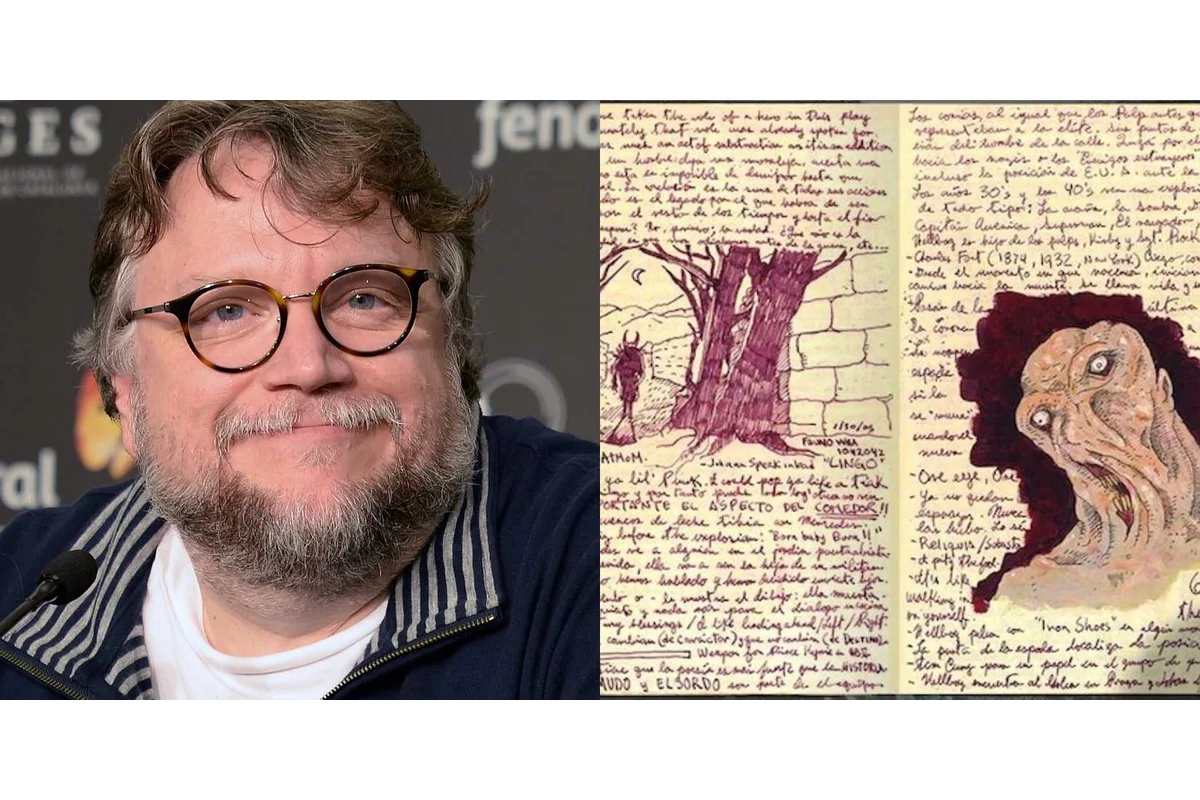
Genre Films Carving Their Place in Oscar History
Before 2018, the Best Picture Oscar was predominantly awarded to traditional dramas like Spotlight and 12 Years a Slave. Fantasy victories were rare, with Peter Jackson’s The Return of the King in 2003 being one of the few exceptions. The Shape of Water’s triumph challenged these boundaries, paving the way for later wins by genre-heavy films such as Bong Joon Ho’s Parasite and the Daniels’ Everything Everywhere All at Once. These films expanded the definition of what constitutes award-worthy cinema, altering the Oscars’ relationship with genre works.
2026 Oscars: A Celebration of Genre Films’ Progress
This year’s Academy Awards highlight the ongoing evolution initiated by del Toro’s career. His film Frankenstein has been nominated for Best Picture alongside other genre entries like Yorgos Lanthimos’s science-fiction black comedy Bugonia, Paul Thomas Anderson’s action-comedy-thriller One Battle After Another, and Ryan Coogler’s horror feature Sinners. This lineup marks a significant moment of recognition for genre films, illustrating how the Academy has broadened its appreciation for diverse storytelling styles. Guillermo del Toro’s consistent presence and influence have been instrumental in achieving this shift.
The Lasting Impact of Guillermo del Toro on Genre Cinema
Guillermo del Toro’s work has redefined genre films’ place in mainstream cinema and awards culture, challenging long-held biases against fantastical storytelling within prestigious circles. By humanizing monstrous characters and embracing genre conventions without compromise, he has inspired both audiences and industry professionals to reconsider the artistic potential of these films. The 2026 Oscars not only celebrate del Toro’s latest success but also symbolize the progress made in legitimizing genre cinema on the world stage.
“Guillermo del Toro is the patron saint of genre films.” – Unknown
“Now, maybe they can give him a retroactive Oscar for making the coolest comic book sequel of the last twenty years with Hellboy II: The Golden Army.” – Unknown
