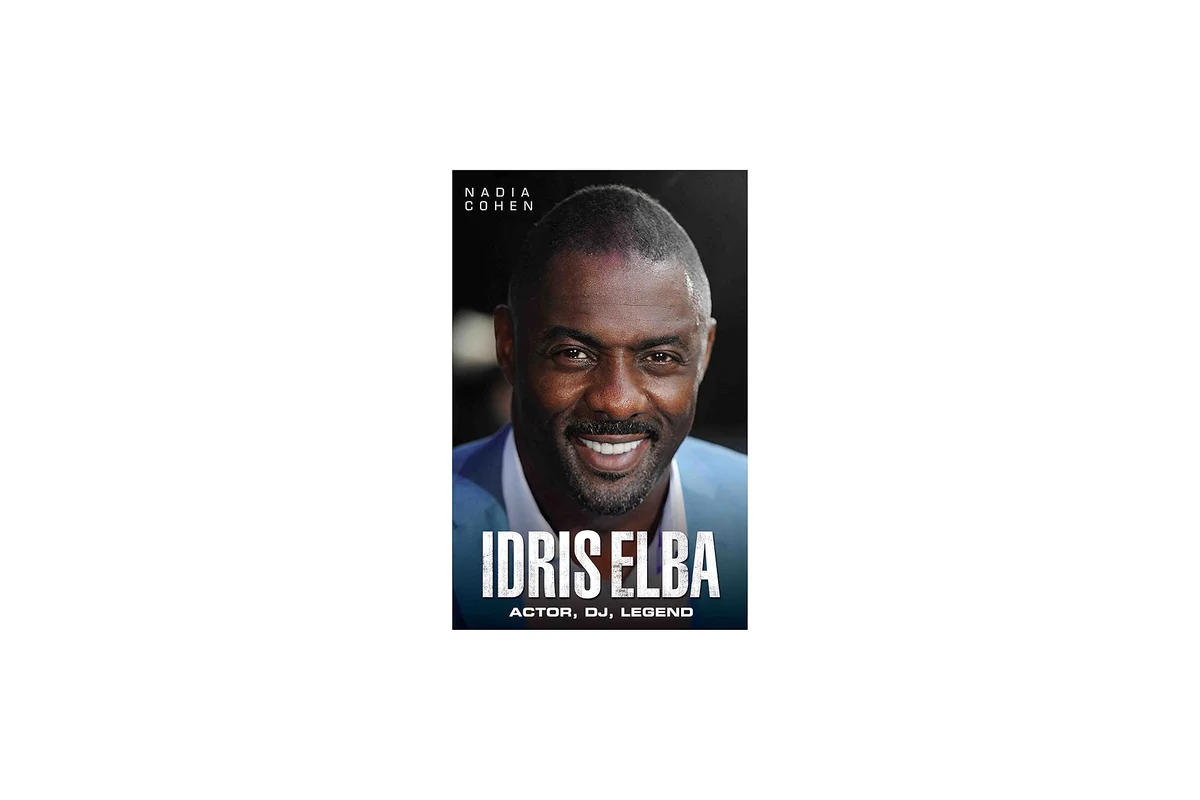
Idris Elba has been convicted of a speeding offence and ordered to pay £147 at Westminster Magistrates’ Court. The incident occurred in June last year, involving Elba riding a BMW moped at 28mph in a 20mph speed limit zone along Chelsea Embankment, central London, marking an instance of Idris Elba speeding offence.
Details of the Speeding Incident and Legal Proceedings
The Metropolitan Police prosecuted the case after the speed camera detected the actor’s moped exceeding the speed limit near Cheyne Walk on June 21 at 10:12am. Court documents showed that officers submitted three photographs as evidence of the offence.
Though Elba confirmed he was the rider at the time, he challenged the prosecution on procedural grounds. His legal representatives from Patterson Law argued that Elba never received the fixed penalty notice, which would have allowed for an out-of-court settlement. A police staff member noted,
“confirmed that they were the driver/rider at the time,”
indicating Elba’s acceptance of involvement.
Eligibility screening using the National Driver Offender Retraining Scheme database concluded that Elba was not eligible for a diversionary course as an alternative to prosecution. The lawyers stated,
“However, the offer never arrived and he therefore never had the opportunity to accept it,”
referring to the fixed penalty notice that was expected but never received.
Legal Representation and Plea Submission
Idris Elba enlisted specialist motoring offence solicitors from Patterson Law for his defence. The solicitors highlighted that Elba responded to the initial Notice of Intended Prosecution, identifying himself as the rider and expected the arrival of a fixed penalty offer. They confirmed their client intended to accept any such offer had it been properly issued, noting,
Image of: Idris Elba
“Had he received it, he absolutely would have accepted it.”
The legal team pointed out that Elba holds a clean driving licence and was entering a guilty plea to avoid the costs and complications of a full trial. They requested the magistrate impose a fine not exceeding £100 without additional costs, arguing that it would be unfair to levy extra fees due to procedural shortcomings outside their client’s control.
Sentencing and Penalties Imposed
The magistrate ultimately imposed a £147 penalty, which includes £110 in costs and a £59 victim surcharge, alongside three penalty points on Elba’s driving licence. The hearing was held in private under the Single Justice Procedure, allowing magistrates to handle minor criminal cases through written submissions without requiring defendants’ attendance. Elba did not appear in court for sentencing.
Contextual Background and Recent Highlights
The speeding event took place just a day after the announcement that Idris Elba would collaborate with King Charles on a Netflix documentary celebrating fifty years of The King’s Trust charity. This project highlights Elba’s ongoing prominence beyond acting roles, which include his current starring role in the series Hijack.
Late in the previous year, Elba was honoured with a knighthood in recognition of his significant charitable contributions. Despite the speeding conviction, his public and professional standing remains notable within the British entertainment and philanthropic communities.
Implications of the Speeding Offence for Idris Elba
Although the penalty imposed is moderate, the case illustrates the consequences of traffic violations even for high-profile figures. The prosecution reinforced adherence to road safety laws and the importance of proper procedural steps by authorities.
Idris Elba’s guilty plea prevents the need for a lengthy court trial and additional legal expenses, but the inclusion of penalty points may affect his future driving record. This episode underscores that all motorists, regardless of status, are subject to road safety regulations.
The actor’s legal representation and request for leniency based on procedural issues also highlight potential challenges in the issuance and delivery of fixed penalty notices. Such administrative factors can affect the resolution of speeding offences and may prompt further scrutiny into police procedures.
Looking Ahead: Legal and Public Reactions
Following this case, it is likely that authorities will maintain rigorous enforcement of speed limits in London, especially in designated 20mph zones aimed at enhancing pedestrian and cyclist safety. The City’s continued use of speed cameras and legal mechanisms reinforces its commitment to reducing traffic risks.
For Idris Elba, while this speeding offence has been officially recorded, the incident will unlikely overshadow his ongoing creative projects or charitable work. However, given the high public profile of the case, it may serve as a reminder of the importance of timely legal communications and road compliance.