
Kevin Costner remains a globally recognized actor with a career spanning several decades, yet he often finds himself at odds with mainstream entertainment culture. Despite enjoying an unparalleled level of fame in the late 1980s and ’90s, Costner has managed to reinvent his career in the 21st century, particularly through acclaimed work in projects like the miniseries Hatfields & McCoys and the television series Yellowstone.
Costner’s focus on maintaining creative authority has frequently shaped his work, though this pursuit has sometimes resulted in clashes with industry expectations. His insistence on controlling his projects has both propelled successes and contributed to notable setbacks throughout his career.
Creative Control as a Double-Edged Sword
In the 1990s, Costner’s demand for creative control over films such as Wyatt Earp and Waterworld led to significant commercial disappointments, raising questions about his star power. More recently, after achieving renewed acclaim through Yellowstone, he chose to leave the popular series in order to dedicate himself fully to Horizon: An American Saga, a self-financed multi-part western epic.
Despite criticism, Costner remains unfazed by audience response when it comes to test screenings or mainstream acceptance. He prioritizes preserving the original “edges” in his storytelling rather than conforming to diluted versions that cater to broader audiences.
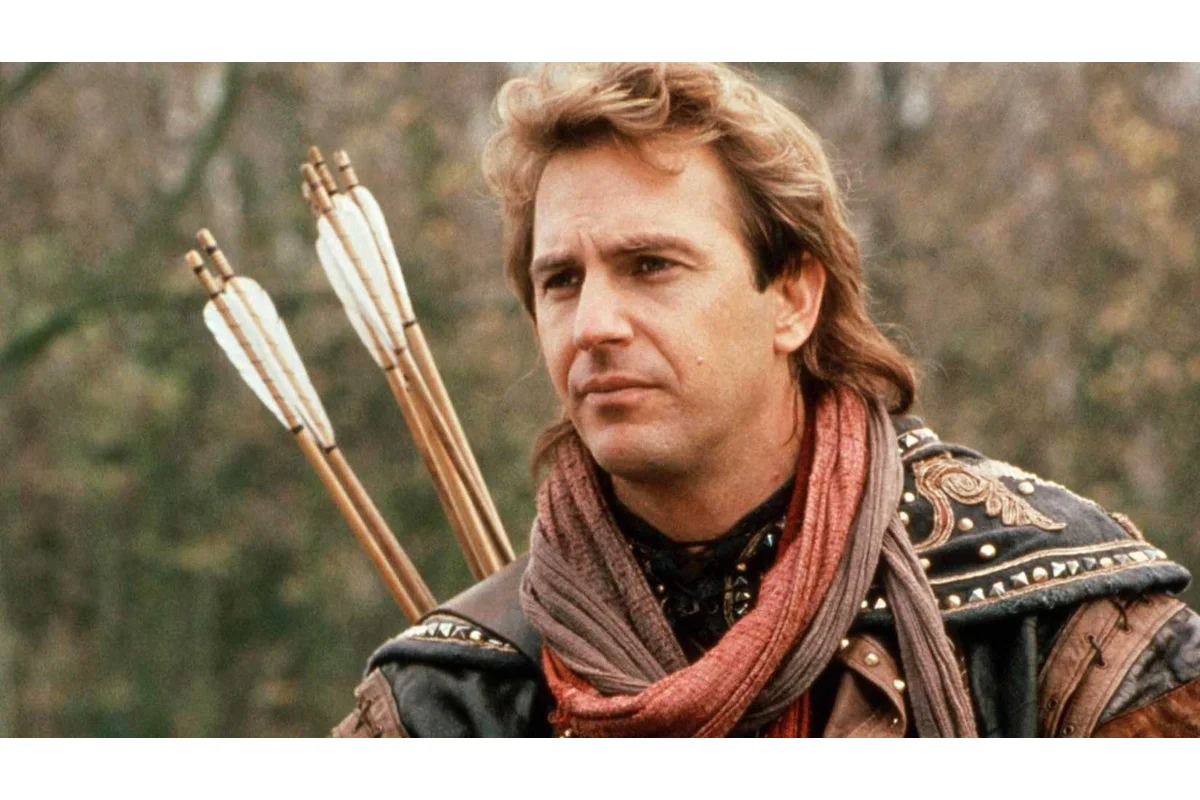
I don’t mind Hollywood, after all, I don’t make movies that are like avant guard or not understandable,
Costner said.
I just like to make a mainstream movie with all the edges that existed in the writing and I don’t like to see it flattened out in order to cater to audiences.
A Career Marked by Iconic Successes and Industry Friction
While some recent projects have faltered, Costner’s lasting influence on film is evident. He is credited with revolutionizing the sports movie genre with films like Bull Durham and Field of Dreams, and he reimagined a classic character in Robin Hood: Prince of Thieves. This storied legacy partly explains why he resists criticism from those outside the filmmaking community.
I don’t really give a shit what people think about my movie after watching it and giving it a test score, but I really care about what you think about it when you see it in its purity, because I don’t’ feel like I’m going to lose you,
Costner stated.
I don’t feel like my movies are going to be for everyone because they’re not, because sometimes they’re more adult and that eliminates kids.
The Ongoing Impact of Costner’s Vision and Future Uncertainties
Costner’s insistence on creative control appears to have contributed to his departure from Yellowstone, reportedly due to differences with showrunner Taylor Sheridan over the direction of his character. His passion for storytelling remains clear, even as financial realities challenge his ambitious plans.
The first installment of Horizon: An American Saga struggled at the box office, leading Warner Bros to pull the second part from release. At present, the chances of completing the third and fourth installments are slim, and ongoing legal disputes may further delay or block the release of the second chapter.
Though often viewed as difficult to collaborate with, Costner’s dedication to his creative vision underscores his commitment to telling stories on his own terms, regardless of external pressures or setbacks.
