
Kevin Costner’s 1991 film, Robin Hood: Prince of Thieves, remains a misunderstood installment in the long history of Robin Hood adaptations. Released three decades ago, the movie arrived at a time when the Robin Hood figure had rarely appeared on the big screen, with the previous notable film, Robin and Marian, released in 1976. The film featured the celebrated actor Kevin Costner in a leading role shortly after his acclaimed performance in Dances With Wolves, generating high anticipation around its release.
Although the film succeeded commercially, earning over $390 million on a $60 million budget, it was met with largely negative reviews. Critics and audiences alike were disappointed, particularly targeting Costner’s performance and the film’s inconsistent tone. This disconnect contributed to a sense of frustration and resentment surrounding this adaptation of the English folk hero.
Critical Backlash Focused on Performance and Directional Issues
Directed by Kevin Reynolds and penned by Pen Densham and John Watson, Prince of Thieves failed to meet expectations in the eyes of many reviewers. The film received a 51% rating from critics on Rotten Tomatoes. One of the most influential voices, film critic Roger Ebert, described it as
a murky, unfocused, violent and depressing version of the classic story
with editing he called desperate.
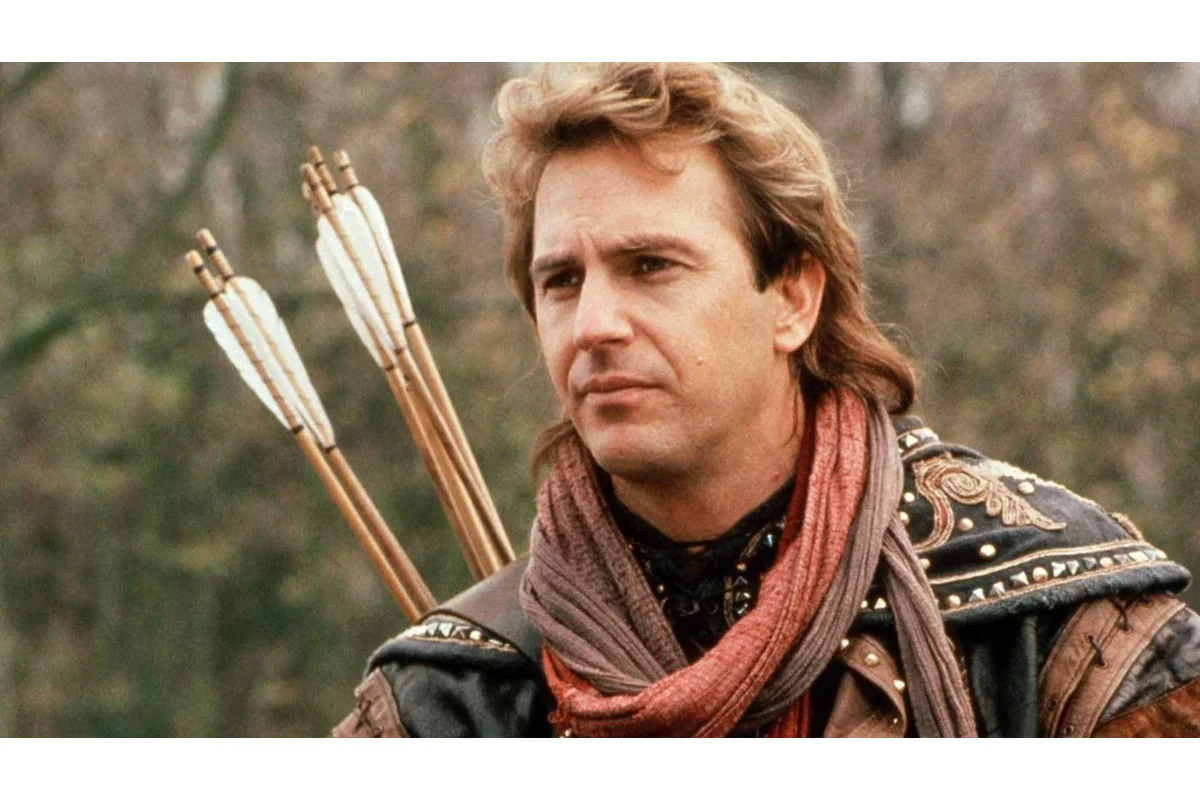
Much of the criticism concentrated on Costner’s fluctuating English accent, which resulted from an indecision by director Reynolds regarding whether Costner should speak in his natural American voice or adopt an English tone. This inconsistency became a source of ridicule, culminating in a mocking reference in the 1993 parody Robin Hood: Men in Tights, where Cary Elwes’ character remarked,
Unlike some other Robin Hoods, I can speak with an English accent.
Costner’s performance was so poorly received that he received the Golden Raspberry Award for Worst Actor, while Christian Slater was given Worst Supporting Actor for his role as Will Scarlet. The film’s marketing also contributed to disappointment, as many expected a family-friendly adventure but encountered more violence and sexual content than anticipated, which agitated audiences at the time.
Alan Rickman’s Villainous Role and Strong Ensemble Cast Offer High Points
Despite the film’s shortcomings, its supporting cast delivered noteworthy performances. Alan Rickman’s portrayal of the Sheriff of Nottingham was a standout, blending humor with menace and giving the film memorable moments. Rickman’s performance earned critical acclaim, culminating in a British Academy Film Award for Best Supporting Actor.
The cast also featured Mary Elizabeth Mastrantonio as Maid Marian, Morgan Freeman portraying the newly created character Azeem, and Sean Connery making a cameo appearance as King Richard the Lionheart. These performances brought depth and gravitas to the film, helping to elevate the overall narrative despite the flaws.
A Historically Grounded Yet Visually Dynamic Adaptation
Prince of Thieves distinguished itself from other Robin Hood films by rooting its story within a real historical context. The movie begins with Robin imprisoned during the Third Crusade in Jerusalem, influencing the character’s motives and personality throughout the film. This choice added a layer of realism that some later adaptations emulated.
Visually, the film avoided the often dull and dreary look of medieval movies by balancing darker, war-torn locations with lush forests, elaborate castles, and unusual, glowing caves. This contrast helped maintain viewer interest and reflected the adventurous spirit associated with Robin Hood’s tales.
Music and Soundtrack Left a Mixed But Enduring Impression
Though Roger Ebert criticized the film’s music as
standard rum-dummy-dum false epic dirge kind of stuff,
the soundtrack composed by Michael Kamen remains memorable. Kamen’s work would later support major films including The Iron Giant, the original X-Men, and Band of Brothers. Notably, the end credits featured Bryan Adams’ song
(Everything I Do) I Do It for You
, which achieved chart-topping success in both the United States and the United Kingdom, becoming one of the most popular tracks of its time.
Recent Reevaluation Suggests the Film Deserved Greater Appreciation
In recent years, Robin Hood: Prince of Thieves has undergone critical reassessment as audiences revisit earlier adaptations with fresh perspectives. Nostalgia combined with dissatisfaction toward newer Robin Hood films has driven this renewed interest. On Rotten Tomatoes, its audience score currently stands at 72%, surpassing later versions from 2010 and 2018, which hold ratings of 58% and 40%, respectively.
The film remains available on multiple streaming platforms, including free viewing with advertisements on YouTube, making it accessible for new viewers and longtime fans alike. This availability supports the argument that the Kevin Costner-led adaptation deserves another chance to be appreciated for its merits and contributions to the Robin Hood legend.
The Lasting Impact of Kevin Costner’s Robin Hood on the Folk Hero’s Legacy
Despite the frustrations surrounding its initial reception, Robin Hood: Prince of Thieves holds a significant place in the lineage of filmic retellings of one of England’s most iconic folk heroes. The movie’s blending of historical elements, strong supporting performances—most notably by Alan Rickman—and a distinctive visual style have influenced how the story can be portrayed.
As the character of Robin Hood continues to inspire new adaptations, including recent and upcoming projects like MGM+’s darker 2025 version and an A24 production starring Hugh Jackman, the legacy of Kevin Costner’s portrayal remains an important chapter. It serves as a reminder that even critically panned films can possess hidden value and deserve reconsideration, both for their artistic qualities and their cultural impact.
