
James Cameron has voiced his defense of Terminator Salvation, the 2009 film led by Christian Bale, despite it being widely regarded as the weakest entry in the Terminator saga. While the movie received harsh criticism, including a 33% rating on Rotten Tomatoes, Cameron maintains that its reputation is unfairly harsh.
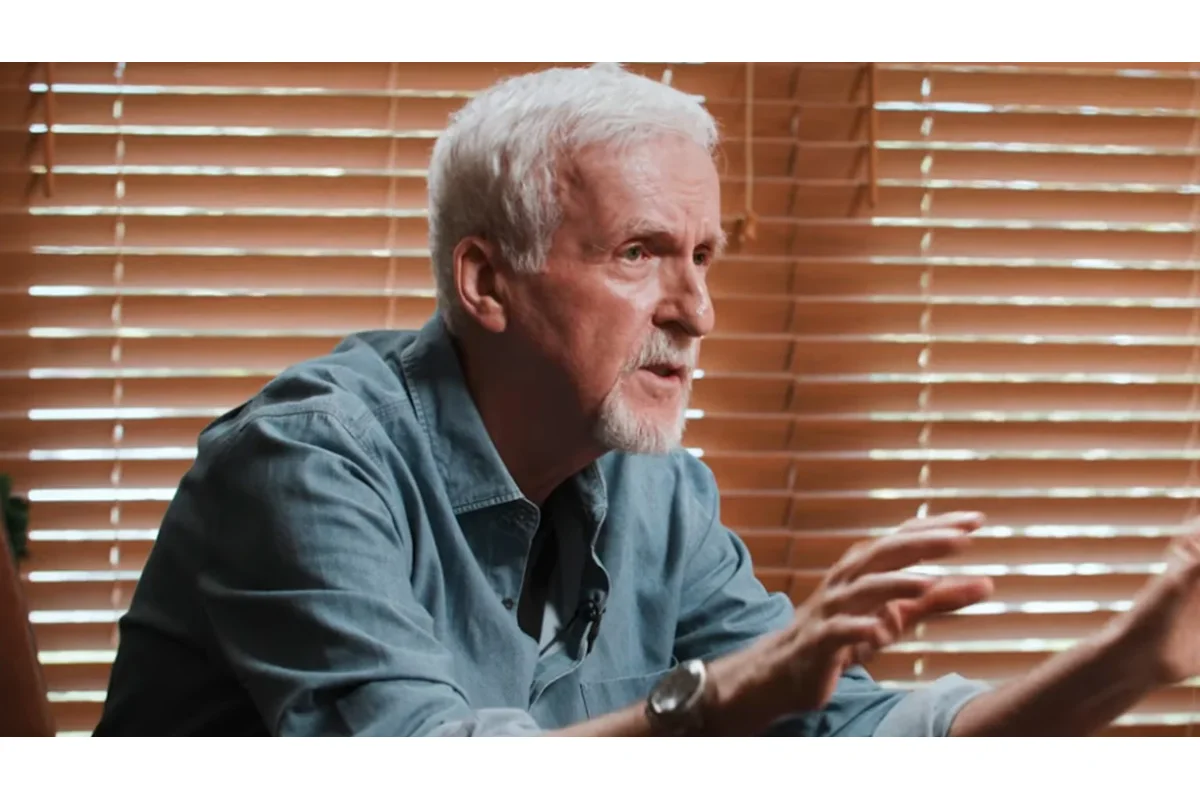
The film has become more known for a profanity-filled outburst by Bale than for its story or production, but Cameron does not view it as a total failure. He shared in an interview,
I didn’t think it was bad. I didn’t think it was embarrassing. I don’t think he let the franchise down in some huge way…
Cameron’s remarks suggest a more tempered view than many critics who consider the film a low point in the franchise.
Cameron Appreciates Actors’ Efforts, Especially Sam Worthington’s Role
Cameron credits the cast’s work, singling out Sam Worthington, who portrayed Marcus Wright, a hybrid human-terminator. Regarding Worthington’s performance, Cameron said,
I think Sam [Worthington] is remarkable in the film because, well, I think Sam is remarkable in anything he does.
Although he stops short of calling the movie a success, Cameron acknowledges the strengths that emerge from the actors’ commitments.
Desire for Bolder Storytelling in Terminator Salvation
Despite defending the film, Cameron’s primary criticism is its missed potential for innovation in the storyline. He expressed regret that the movie did not take enough creative risks, saying,
It didn’t feel to me to be enough of a reinvention.
He further added,
…I did feel some sort of unease that it didn’t go beyond [the franchise].
This sentiment underscores the film’s reliance on familiar elements rather than groundbreaking new directions.
Cameron pointed out that Terminator 2 succeeded in part because it dramatically altered the narrative by shifting Arnold Schwarzenegger‘s character from villain to hero, an unexpected twist at the time. In contrast, Terminator Salvation’s script leans heavily on repeated dialogue and themes from the earlier movies.
Recurring Issue of Repetition in Terminator Sequels
Terminator Salvation’s struggle is not unique among post-Judgment Day installments. Films like Terminator 3: Rise of the Machines, Genisys, and Dark Fate have also failed commercially and critically, often due to their reluctance to move beyond the original films’ storylines.
The reluctance to innovate has kept these movies in the shadow of Cameron’s earlier successes, diminishing their impact on audiences and critics alike. Cameron’s observations imply that breaking free from established formulas is essential for the franchise’s revitalization.
Need for Creative Risks to Revive the Franchise
Cameron’s commentary offers a valuable insight for future filmmakers working within the Terminator universe. By continually echoing themes and characters from the original films, the franchise risks alienating viewers who crave fresh narratives.
As Cameron metaphorically puts it, the series acts like
“a kid afraid to let go of their mom’s leg,”
clinging to the past instead of exploring new paths. To avoid more underwhelming sequels like Terminator Salvation, producers and directors must embrace bold storytelling decisions that differentiate forthcoming entries and capture the spirit of innovation found in Terminator 2.
