
Morgan Freeman’s latest film, which earned a shocking £46 during its opening weekend, has been labeled one of the most significant box office failures in recent memory. Despite his reputation as a distinguished actor, Freeman’s involvement in this project, released primarily in the United Kingdom, resulted in a near-total commercial collapse.
The Astonishingly Low Revenue and Unusual Release Pattern
The film in question, titled Momentum, debuted on just ten screens in the UK and drew an average of merely £4.60 per screen, meaning some showings attracted absolutely no viewers. This amount is particularly striking when compared with average cinema ticket prices, which exceed the per-screen average revenue. Interestingly, Momentum was not released in theaters in the United States, likely preventing an equally dismal performance there. Instead, its most notable market was Russia, where it managed to generate around $250,000, although this sum pales in comparison to typical earnings for even modestly successful movies.
Why Did Morgan Freeman Participate Despite the Odds?
One might easily assume that money motivated Freeman’s role in the film. However, his choice was rooted less in financial incentives and more in personal loyalty. Stephen Campanelli, the film’s director and a former camera operator for Clint Eastwood, had developed a close relationship with Freeman through previous collaborations, including working on movies like Invictus and Red 2. Freeman’s involvement was a favor to Campanelli, based on an informal promise they had made during their friendship.
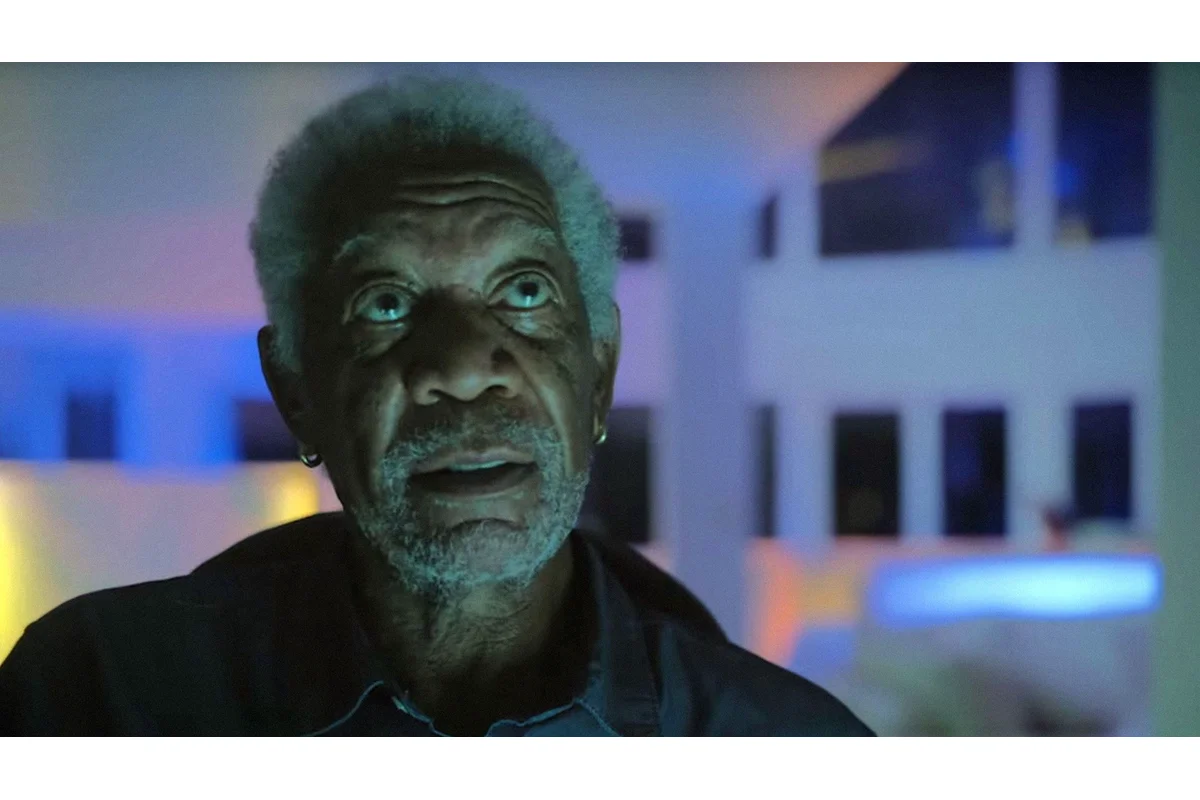
“I’ve done three movies with him as a camera operator, and we’ve gotten along very well,”
Campanelli recalled.
“We’ve became like friends, and he said to me, ‘When you get a movie, and you get to direct it, if you have a role for me, I’d love to it’. I said, ‘OK, great’. Luckily, he agreed to do it, so I was very blessed.”
Freeman’s Role as a United States Senator and the Film’s Reception
In Momentum, Freeman portrayed a United States senator, a part he accepted as a favor to Campanelli rather than for career advancement. Despite Freeman’s star power, the film failed to find an audience, suffering the ignominy of becoming the lowest-grossing opening weekend for the veteran actor. The meager box office take, under £50 after three nights, stunned many and underscored the film’s commercial failure.
While the outcome was far from ideal, Freeman’s willingness to participate demonstrated his personal loyalty over other typical factors influencing actor choices. This incident shines a light on the challenges even acclaimed actors face when backing smaller or riskier projects.
Behind the Scenes: The Director’s Journey and Industry Connections
Stephen Campanelli’s career began under the guidance of Clint Eastwood, working extensively as a camera operator on over a dozen films produced by Eastwood’s Malpaso company. Through this experience, Campanelli formed a bond with Freeman, which later opened the door to directing opportunities.
Campanelli’s transition into directing, supported by Freeman’s participation, was a testament to their friendship rather than commercial strategy. However, despite this positive working relationship, the film’s failure suggests that even strong industry connections cannot guarantee box office success.
The Broader Implications and What Lies Ahead
This extraordinary box office failure highlights the unpredictability of the film industry, where even established actors like Morgan Freeman can be caught in projects that fail to resonate with audiences. The movie’s performance may prompt casts and crews to reconsider the risks of supporting smaller films without clear commercial potential. For Freeman, the episode underscores his reputation for professionalism and loyalty, even when faced with projects destined for obscurity.
Going forward, Momentum’s experience could serve as a cautionary tale about the importance of release strategies, marketing, and audience engagement, particularly in international territories like the UK and Russia. It also reflects on the complexities of navigating a career in Hollywood that balances artistic choices, personal commitments, and financial considerations.
